Trump suggests NATO countries to double defence spending
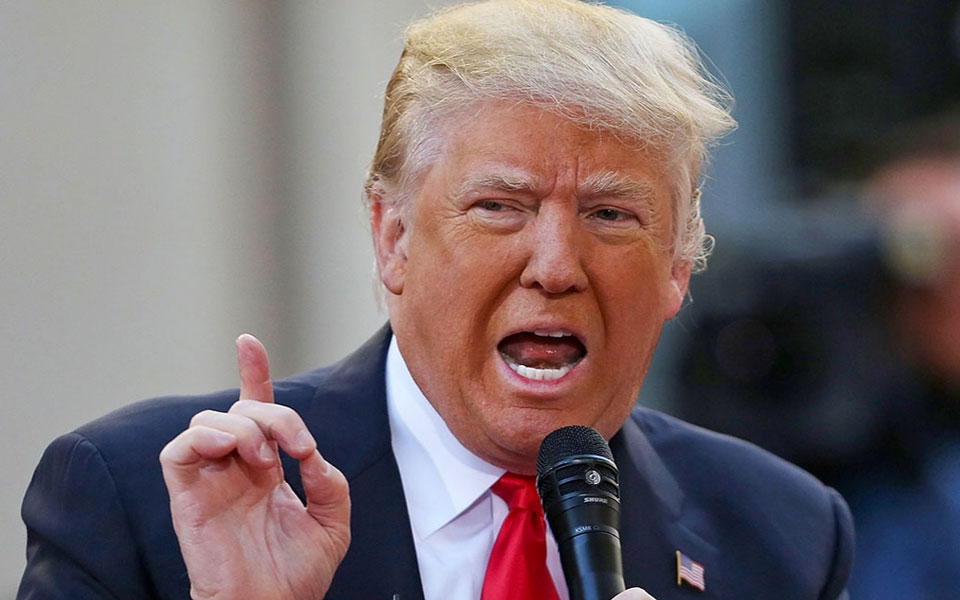
Washington, July 12 : US President Donald Trump suggested the NATO countries to increase their defence spending to 4 per cent -- doubling the 2 per cent target that many members of the bloc were yet to meet.
"During the President's remarks today (Wednesday) at the NATO summit, he suggested that countries not only meet their commitment of 2 per cent of their GDP on defence spending, but that they increase it to 4 per cent," CNN quoted White House press secretary Sarah Sanders as saying in a statement.
She said Trump "raised this same issue" at NATO last year.
"President Trump wants to see our allies share more of the burden and at a very minimum meet their already stated obligations," Sanders added.
But according to NATO data, the US doesn't even spend as much as Trump is calling on other countries to. Earlier Wednesday, Trump said the US "in actual numbers", is spending 4.2 per cent of its GDP on defence.
However, according to numbers released by NATO on Tuesday, the US is expected to spend an estimated 3.5 per cent of the GDP on defence in 2018 which is lower than last year's number, at 3.57 per cent.
Trump has long complained that NATO members were not meeting their fiscal obligations to the alliance, reports CNN.
"Many countries in NATO, which we are expected to defend, are not only short of their current commitment of 2 per cent (which is low), but are also delinquent for many years in payments that have not been made. Will they reimburse the US?" Trump tweeted on Tuesday.
On Wednesday, Trump singled out Germany for particular criticism as he continued to assail NATO allies for failing to spend 2 per cent of their GDP on defence spending, a target NATO allies agreed to meet by 2024.
"Germany is just paying a little bit over 1 per cent... So I think that's inappropriate also. You know, we're protecting Germany, we're protecting France. We're protecting everybody. And yet we're paying a lot of money to protect" Trump said during a breakfast with NATO chief Jens Stoltenberg.
Addressing the media following Trump's comments, German Chancellor Angela Merkel touted the country's contributions to NATO and in defence of US interests.
"Germany also does a lot for NATO. We are the second largest donor of troops, we put most of our military abilities into the service of NATO and we are strongly committed in Afghanistan, where we also defend the interests of the US," Merkel said upon arriving at NATO headquarters Wednesday.
Let the Truth be known. If you read VB and like VB, please be a VB Supporter and Help us deliver the Truth to one and all.
Double-decker electric bus gutted in fire at Kurla BEST depot
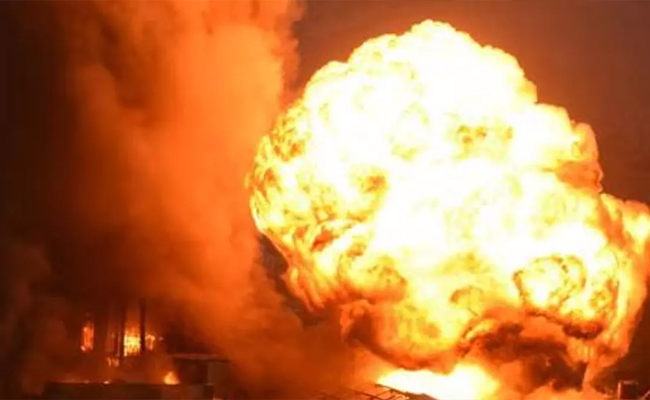
Mumbai (PTI): An empty double-decker electric bus was gutted in a fire during servicing at a BEST depot in Mumbai's Kurla area on Sunday, officials said, adding that nobody was injured.
The blaze broke out inside the Kurla BEST bus depot near Kanakia Building at 4.14 pm, according to preliminary information from the Mumbai Fire Brigade.
The parked bus was unoccupied at the time of the incident.
Fire brigade personnel rushed to the spot and brought the blaze under control. The exact cause of the fire was yet to be ascertained, they said.
No injuries were reported in the incident, officials added.
The Brihanmumbai Electricity Supply and Transport (BEST) Undertaking has hired 50 electric double-decker buses from Switch Mobility in its fleet of around 2,700 buses.