Trump's immigration crackdown puts over 20,000 undocumented Indians at risk
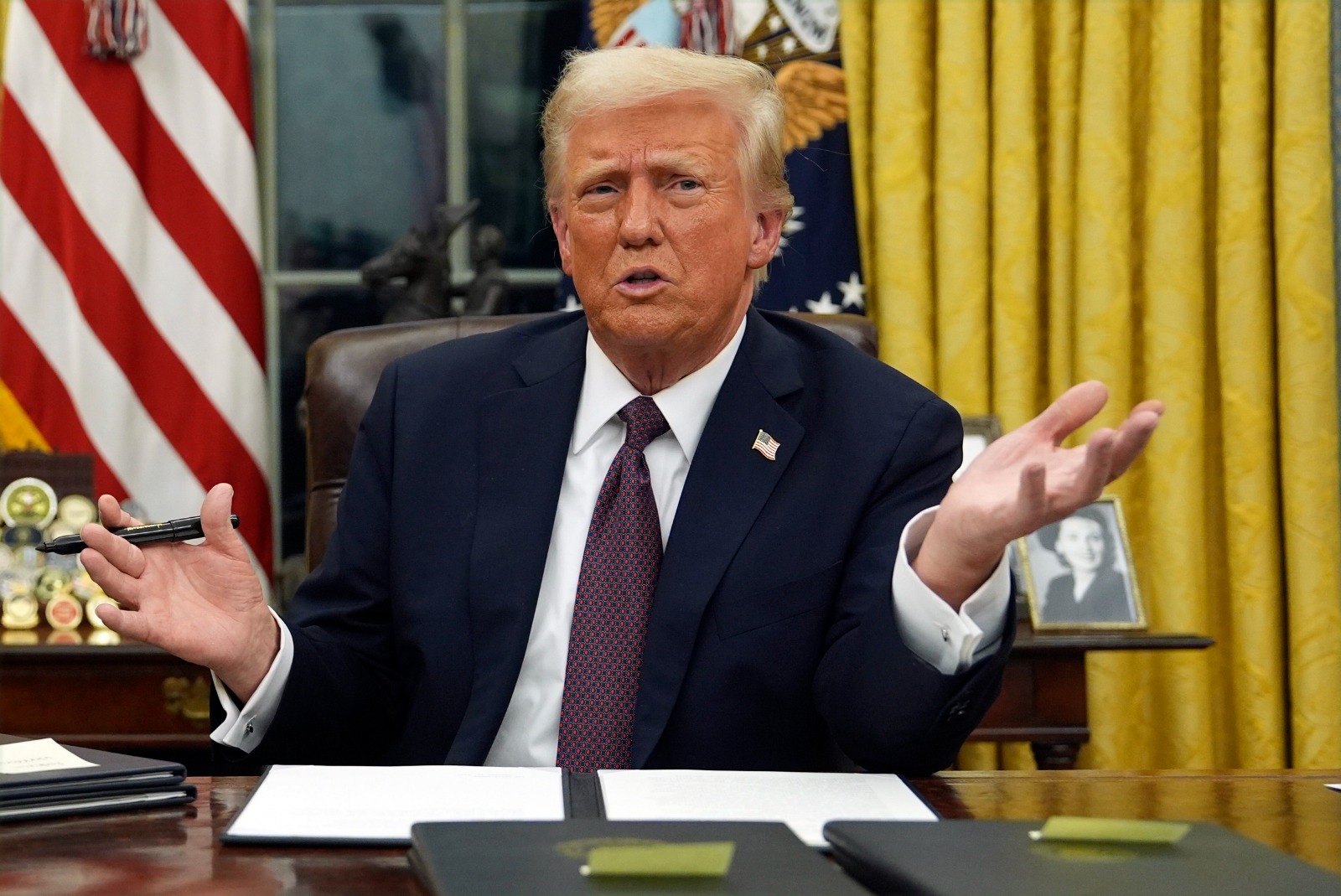
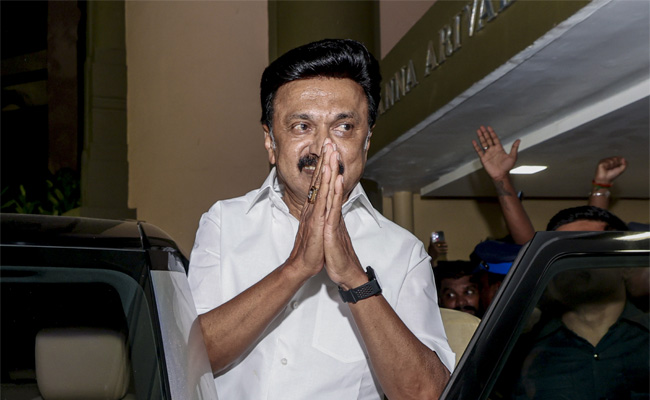
On his first day in office, President Donald Trump unveiled a sweeping immigration crackdown, emphasizing the southern border with Mexico and criminal cartels. However, this policy shift has also raised concerns in New Delhi, particularly for the 20,407 undocumented Indians facing uncertain futures in the United States.
As of November 2024, these individuals fall into two categories: 17,940 are under final removal orders but not detained, while 2,467 remain in detention under the US Immigration and Customs Enforcement (ICE). Indians now constitute the fourth-largest national group in ICE custody and the largest among Asians. Overall, ICE currently detains more than 37,000 non-citizens from various countries.
A final removal order, issued by an immigration judge, becomes binding once affirmed by an appellate authority. ICE has identified India as one of 15 "uncooperative" nations, citing reluctance to accept deported nationals. This designation includes delays in removal proceedings, refusal to conduct consular interviews, and resistance to accepting deportees via charter flights.
Non-citizens can appeal removal orders to the Board of Immigration Appeals (BIA). Even when a final order is upheld, deportations may not occur due to protective provisions under the Convention Against Torture or established risks of persecution in their home countries.
The deportation of Indians from the US has surged dramatically, rising from 292 in 2021 to 1,529 in 2024, according to ICE's annual report. However, data discrepancies remain. Minister of State for External Affairs Kirti Vardhan Singh informed the Lok Sabha that 519 Indians were deported between November 2023 and October 2024. In contrast, the Department of Homeland Security reported 1,100 deportations during the same period, including voluntary departures and withdrawals.
Let the Truth be known. If you read VB and like VB, please be a VB Supporter and Help us deliver the Truth to one and all.
Sameer Ahmed elected President of SKMWA Muscat for 2026–2027
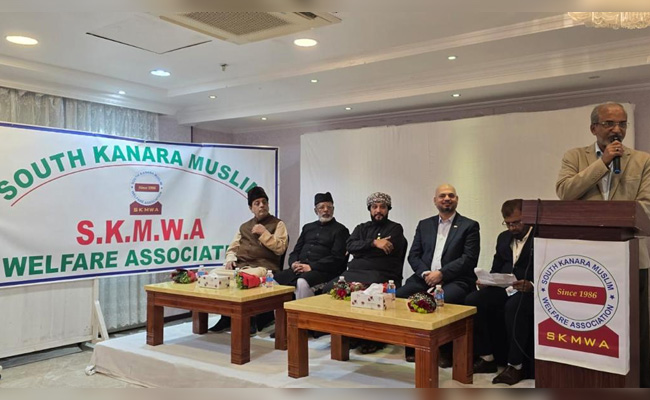
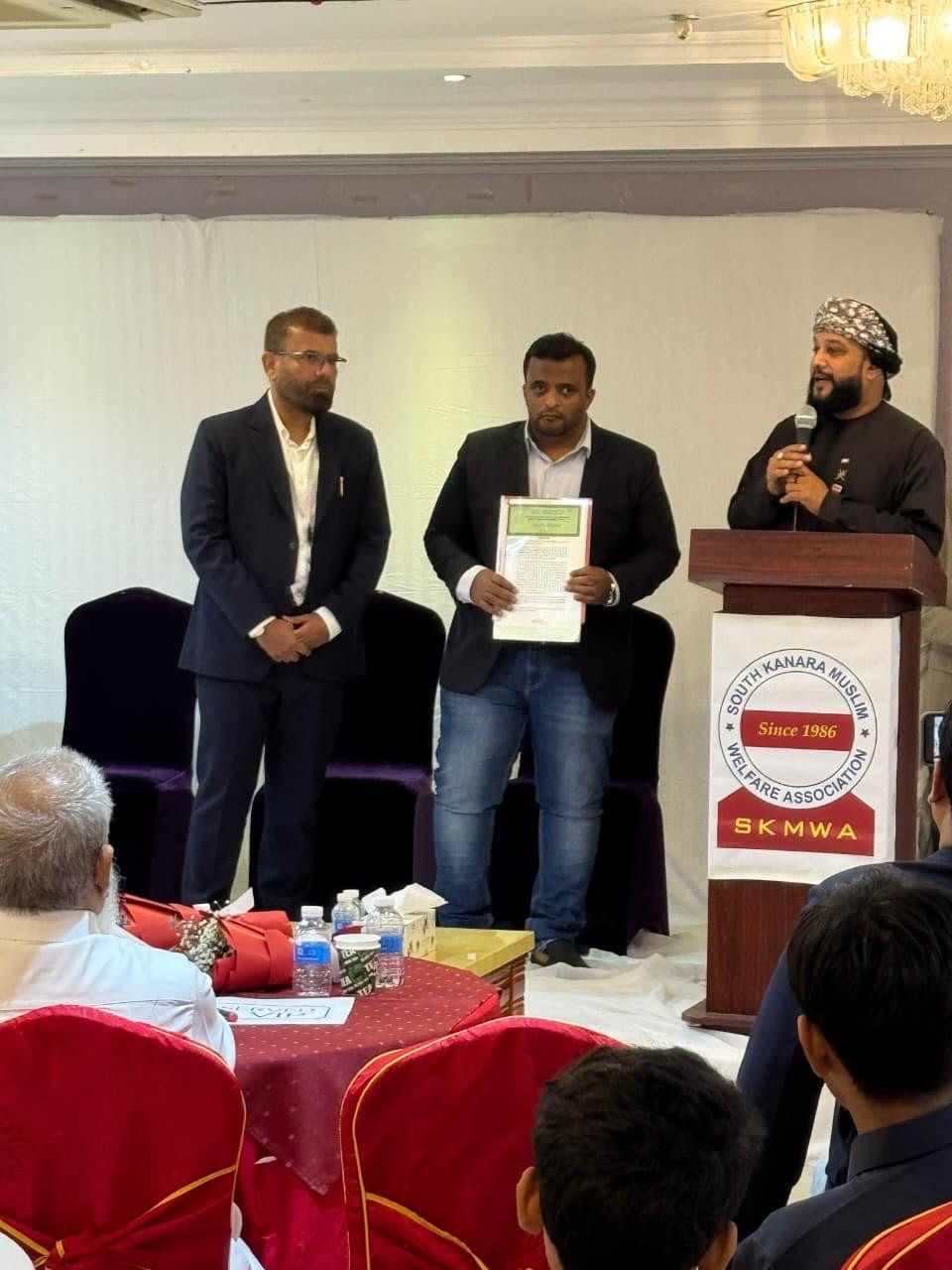
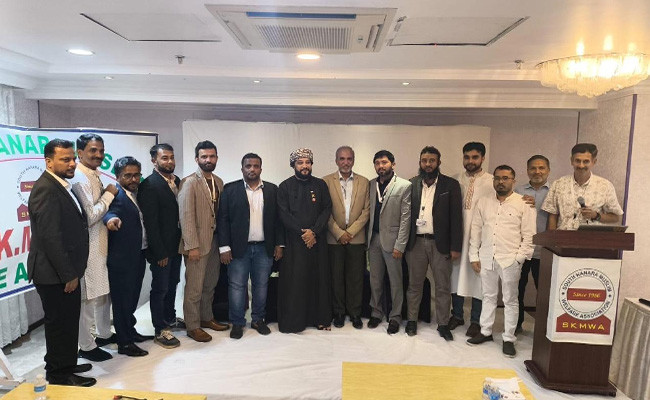
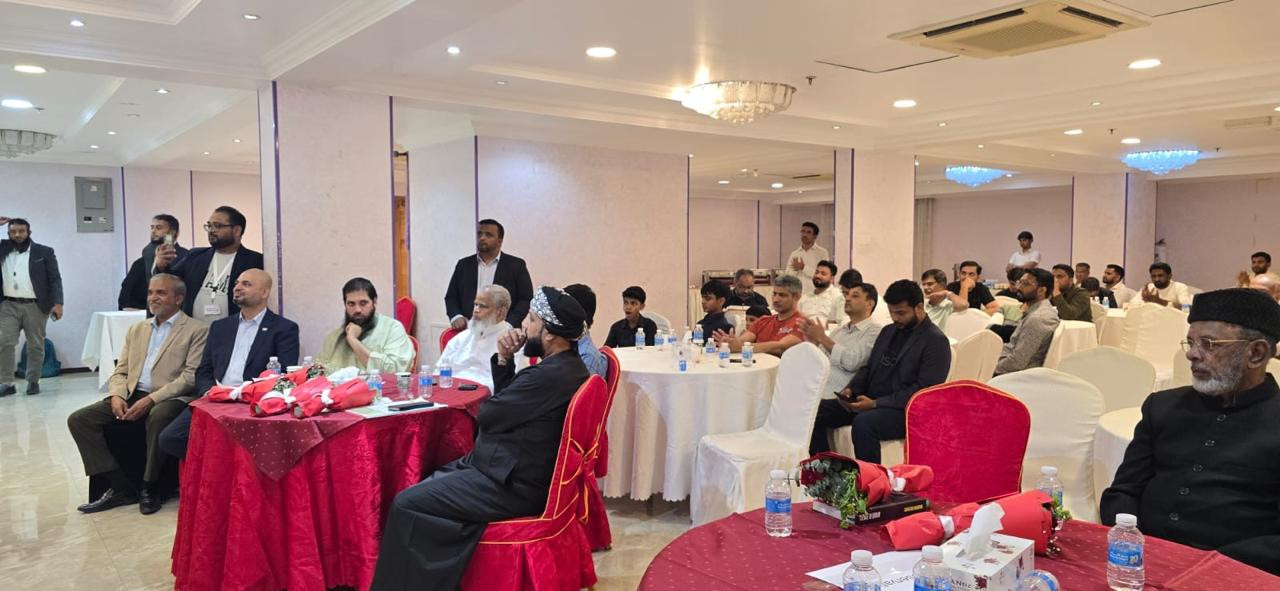
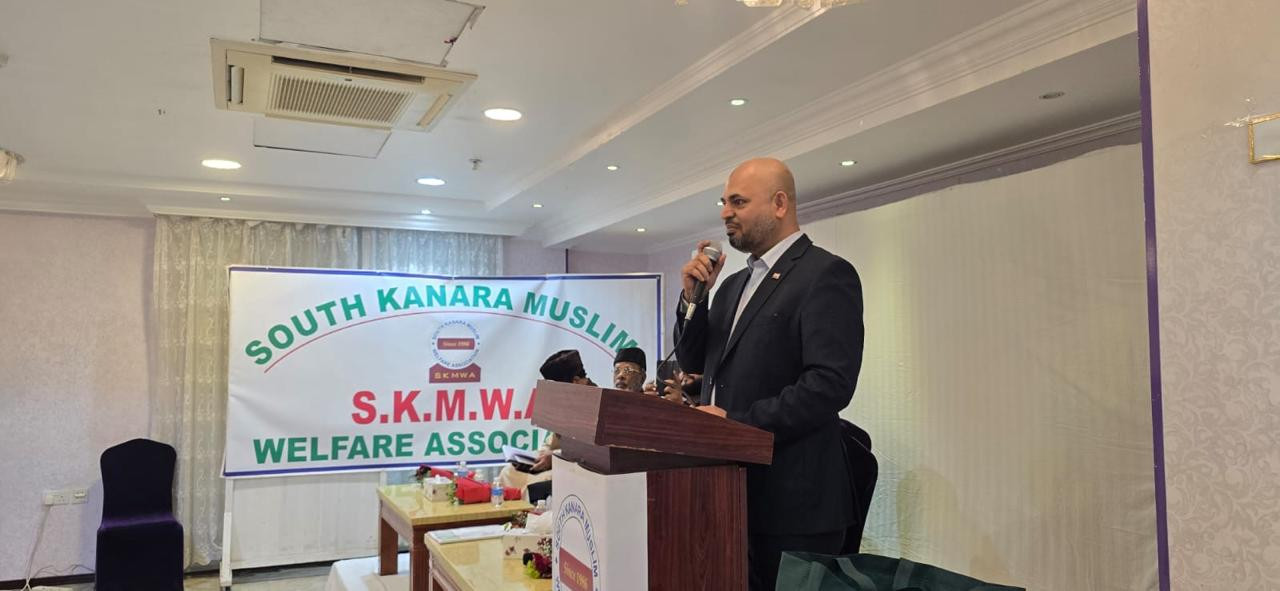
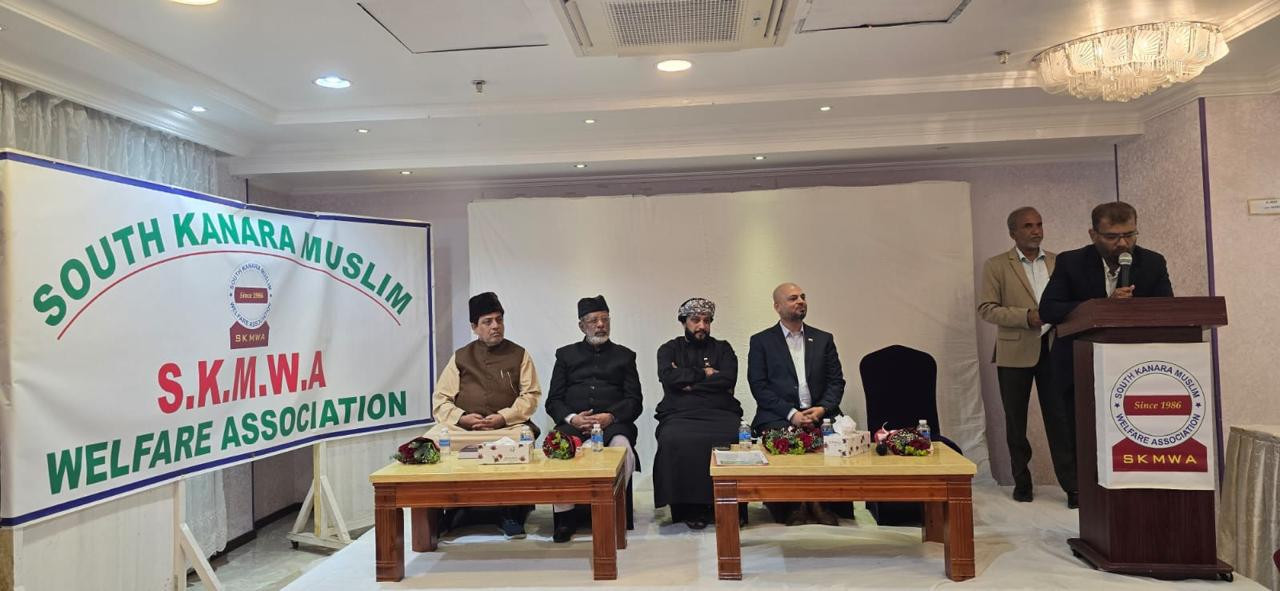
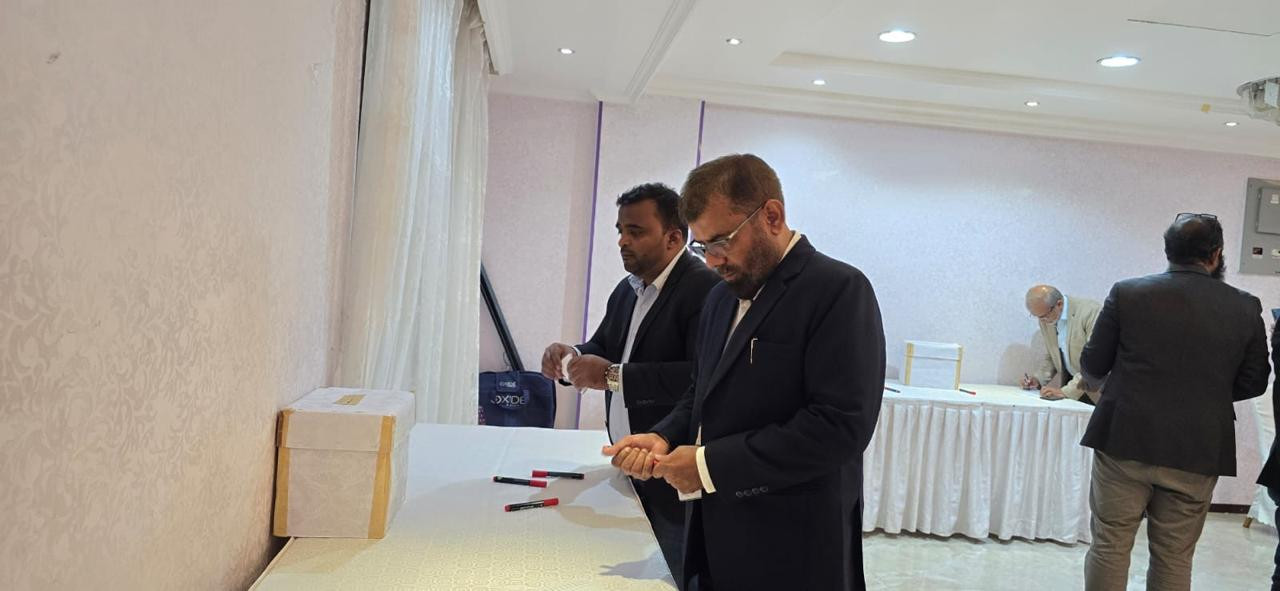
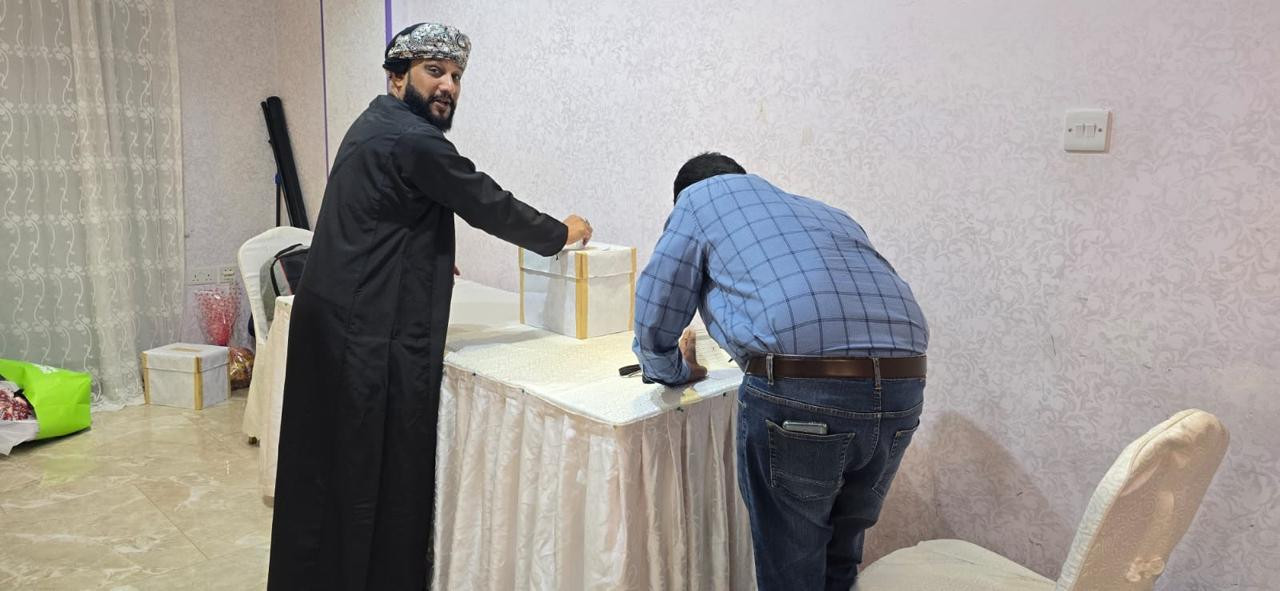
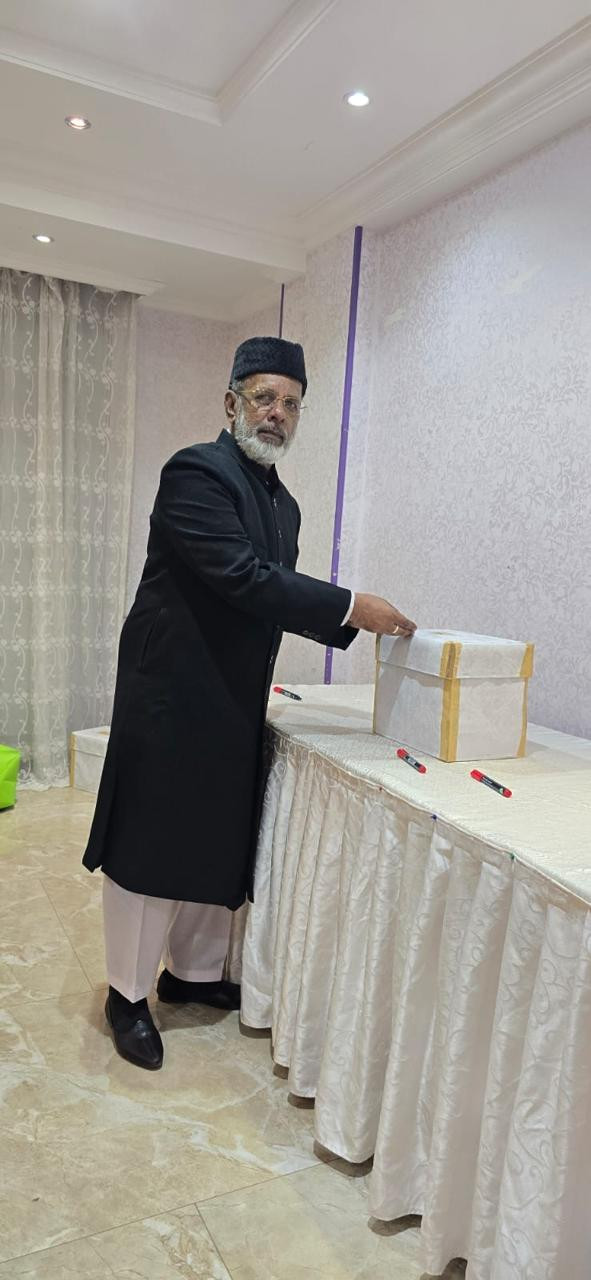
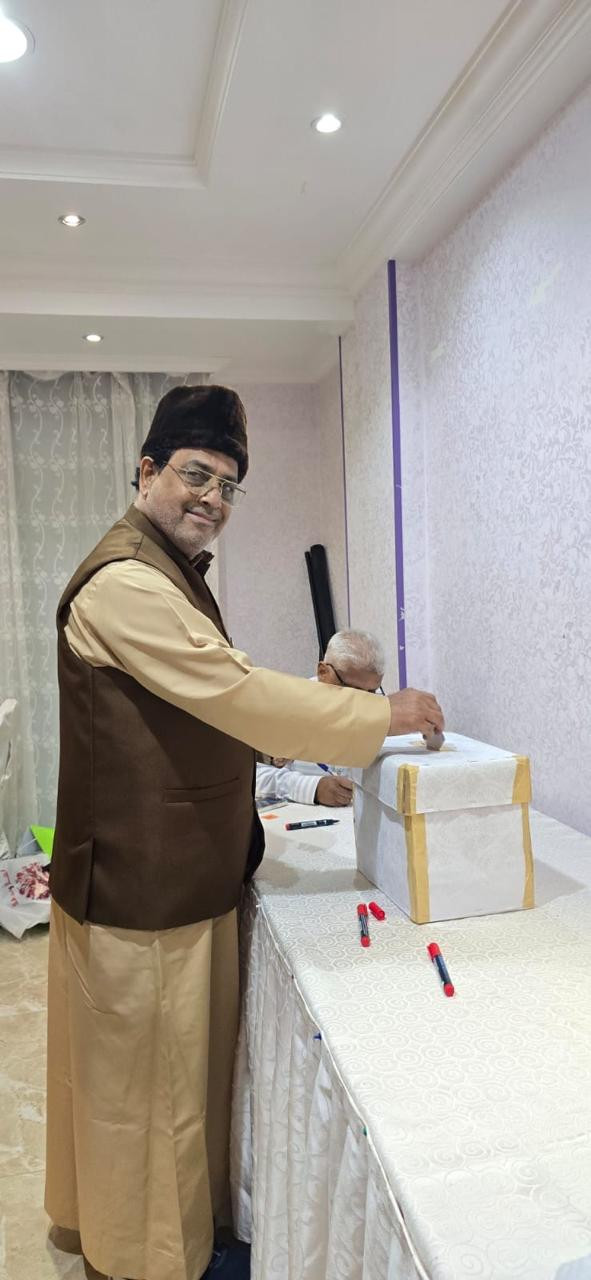
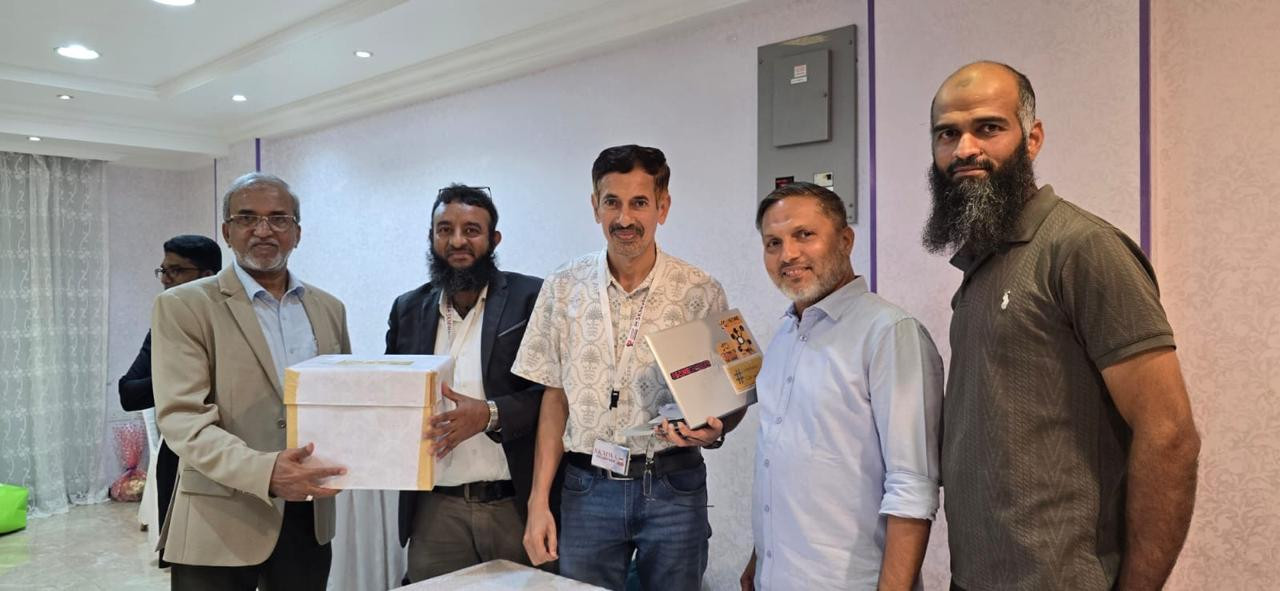
Muscat: Sameer Ahmed, a native of Udupi and currently employed in a private company in Muscat, has been elected President of the South Kanara Muslim Welfare Association (SKMWA), Muscat, for the 2026–2027 term.
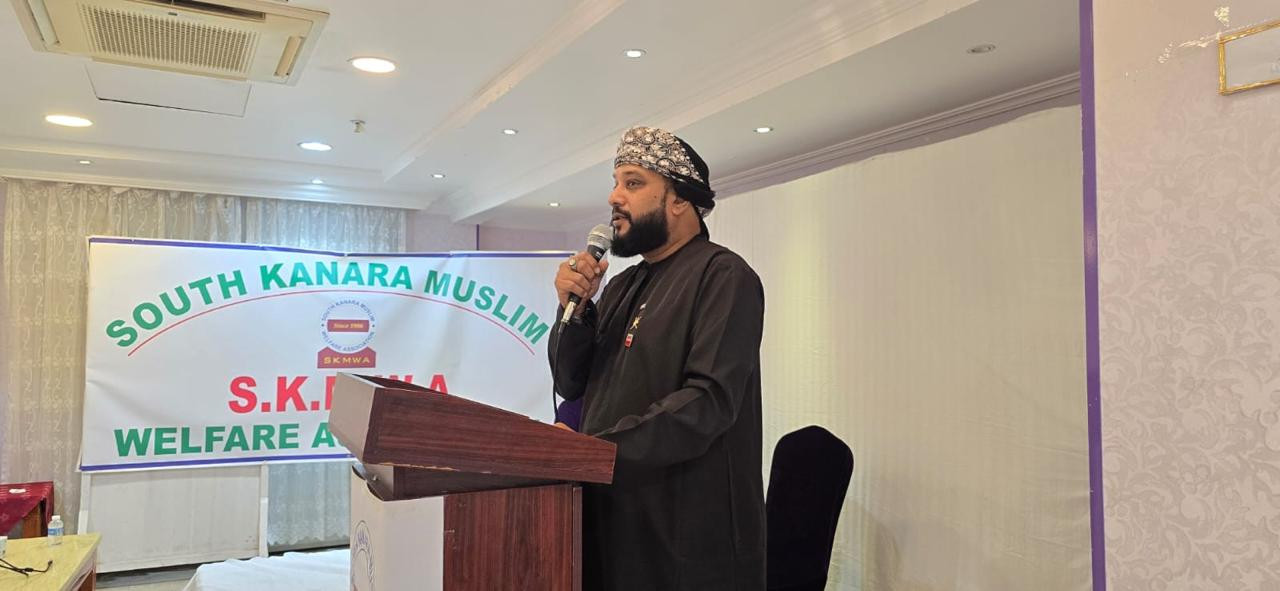
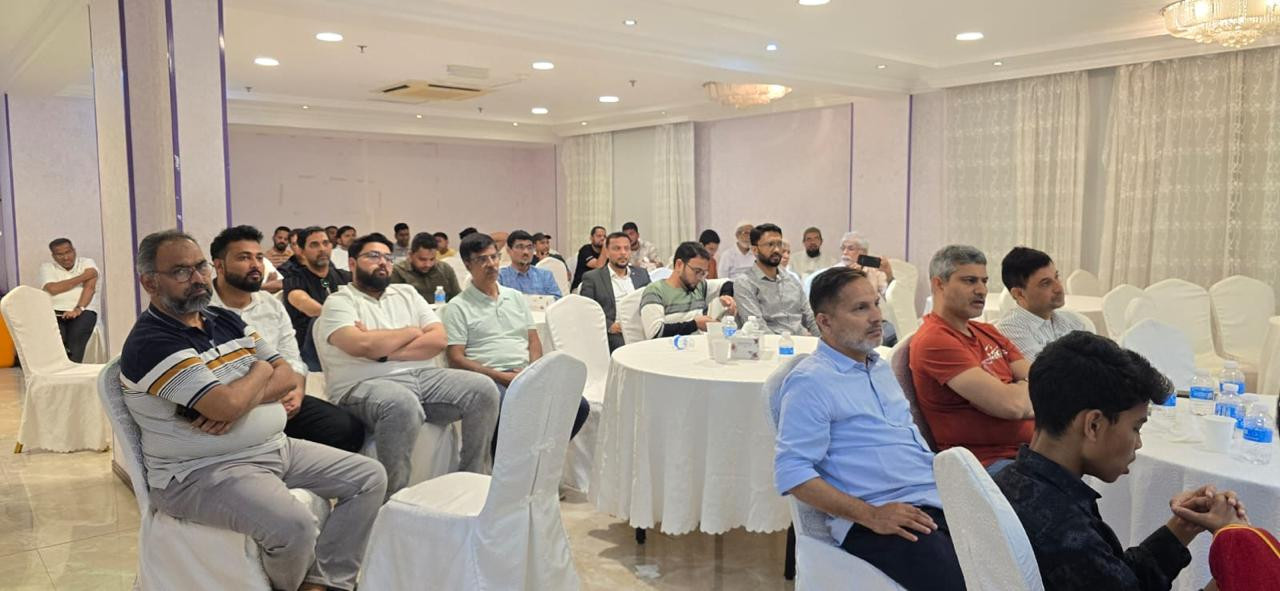
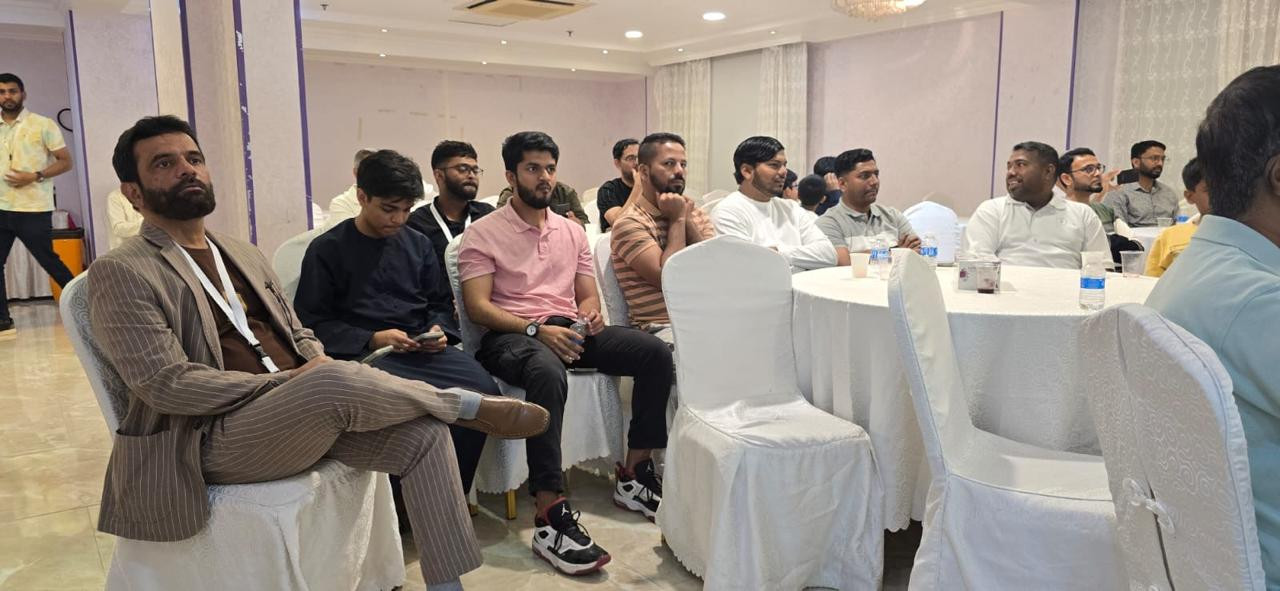
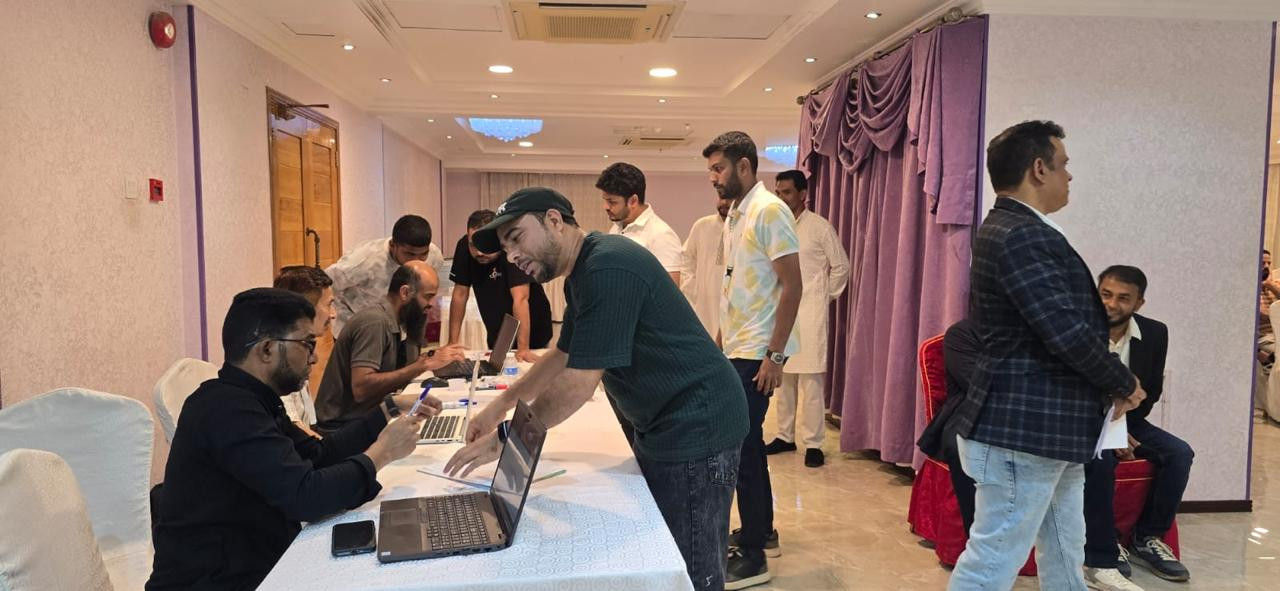
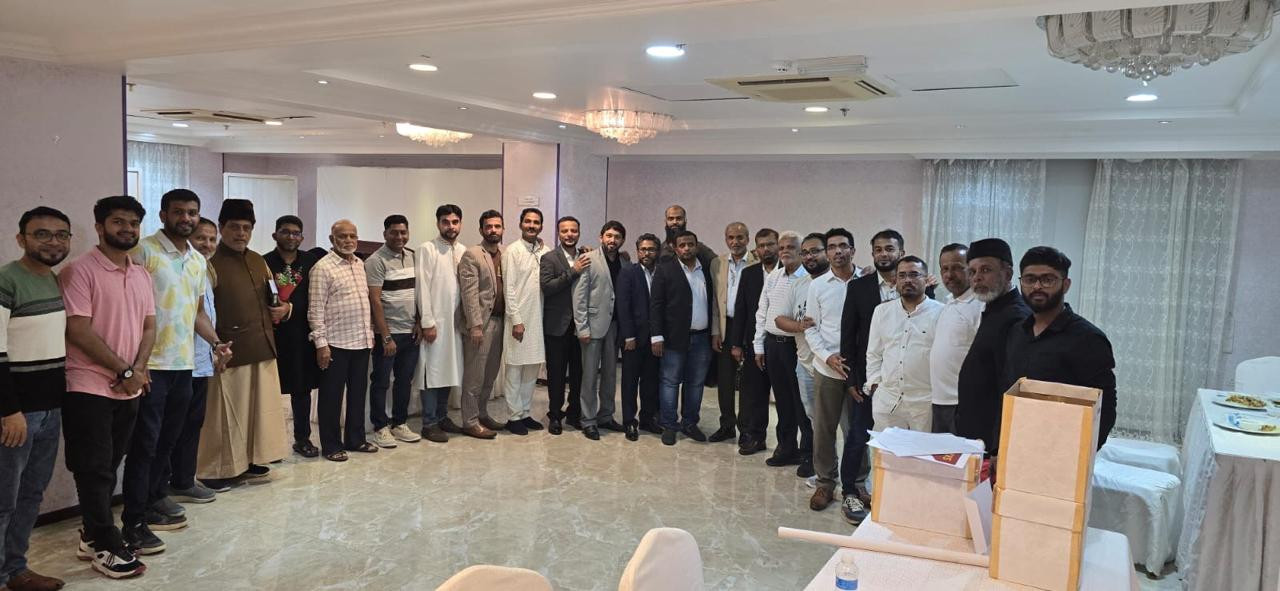
The election was conducted during the association’s Annual General Body Meeting held at Al Reef Hotel, Muscat, in the presence of chief guests Adil Shaikh, Monabba, Shareef, and Sahebzada Mehmood.
The newly elected office bearers include Vice Presidents Mohd Arif (Udupi) and Niyaz Mohammed (Mangalore), General Secretary Jaseem Basha (Kundapura), Joint Secretaries Rizwan Ali (Udupi) and Zaheer Hussain (Moodbidri), Treasurer Tajuddin Sheikh (Tonse), Assistant Treasurer Irfan Ahmed (Udyavara), Finance Secretary Mohammed Asif Gafur (Karkala), Assistant Finance Secretary Mohammed Akif Gafoor (Karkala), and Auditor Ashraf Ali (Kaup).
The Core Committee includes Event Coordinators Ansar Katipalla and Adil Moodbidri, and Sports Coordinators Ashpak Basrur and Muneer Ahmed (Sastan).
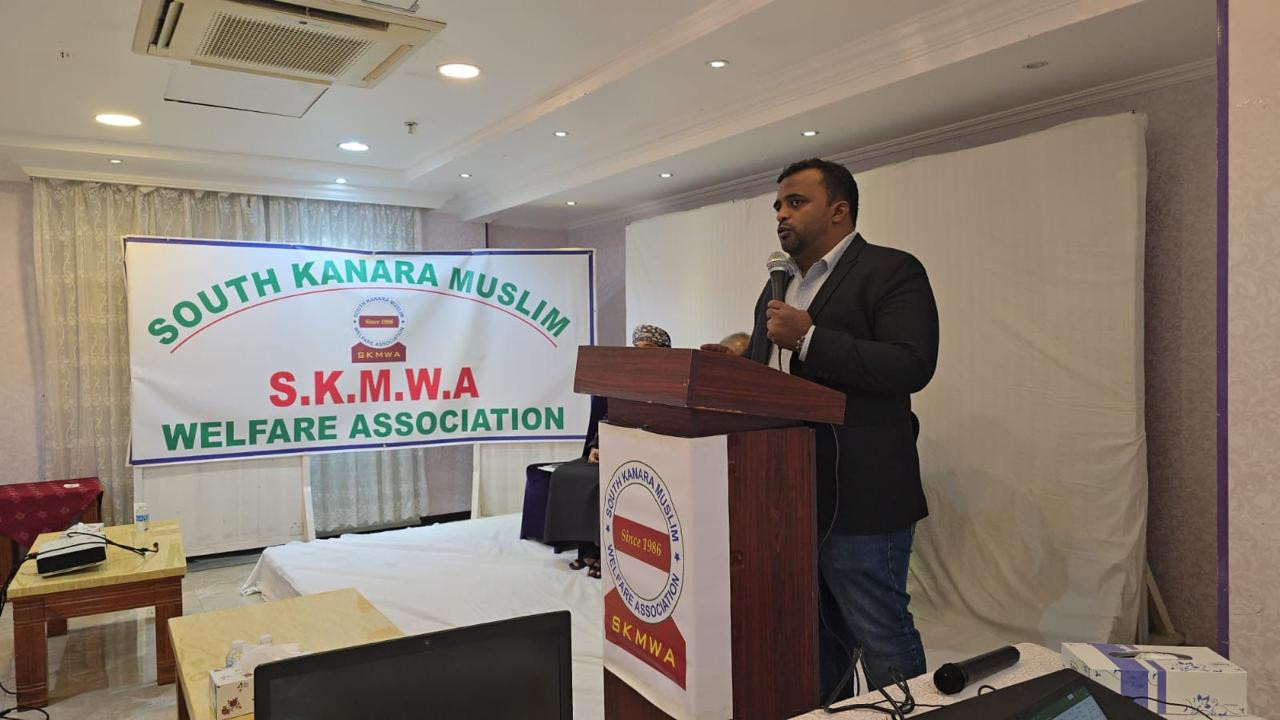
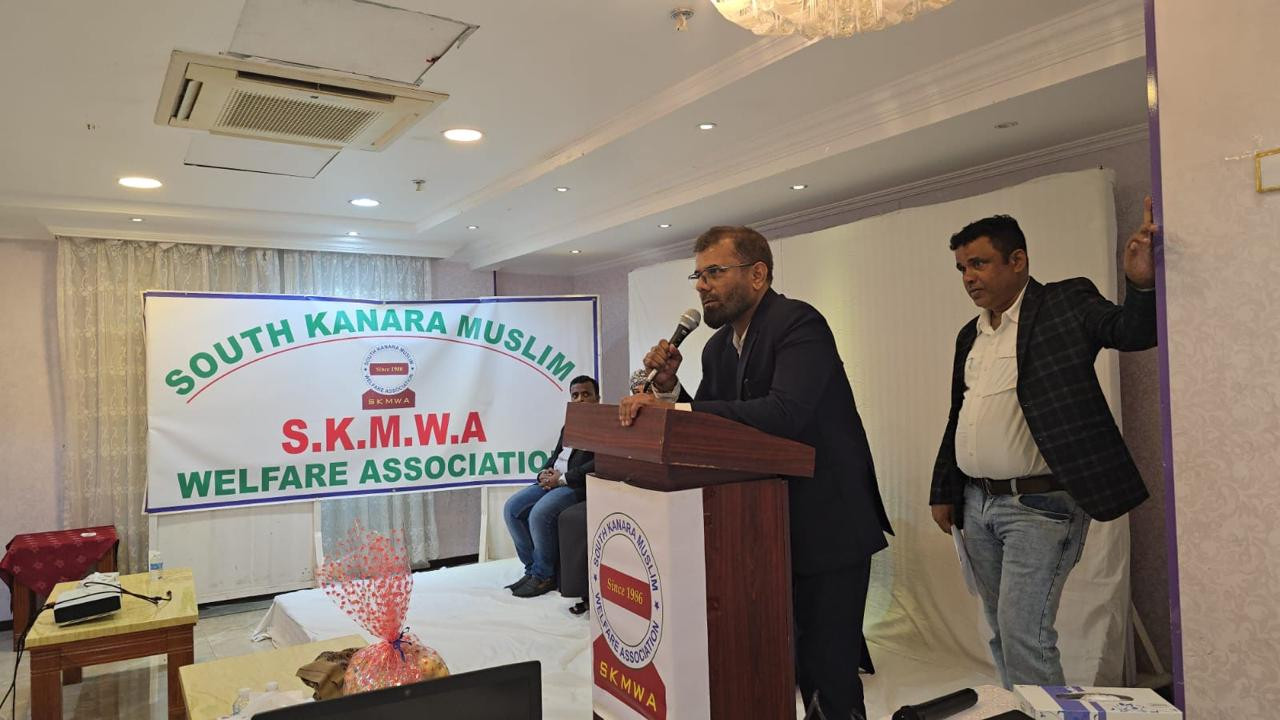
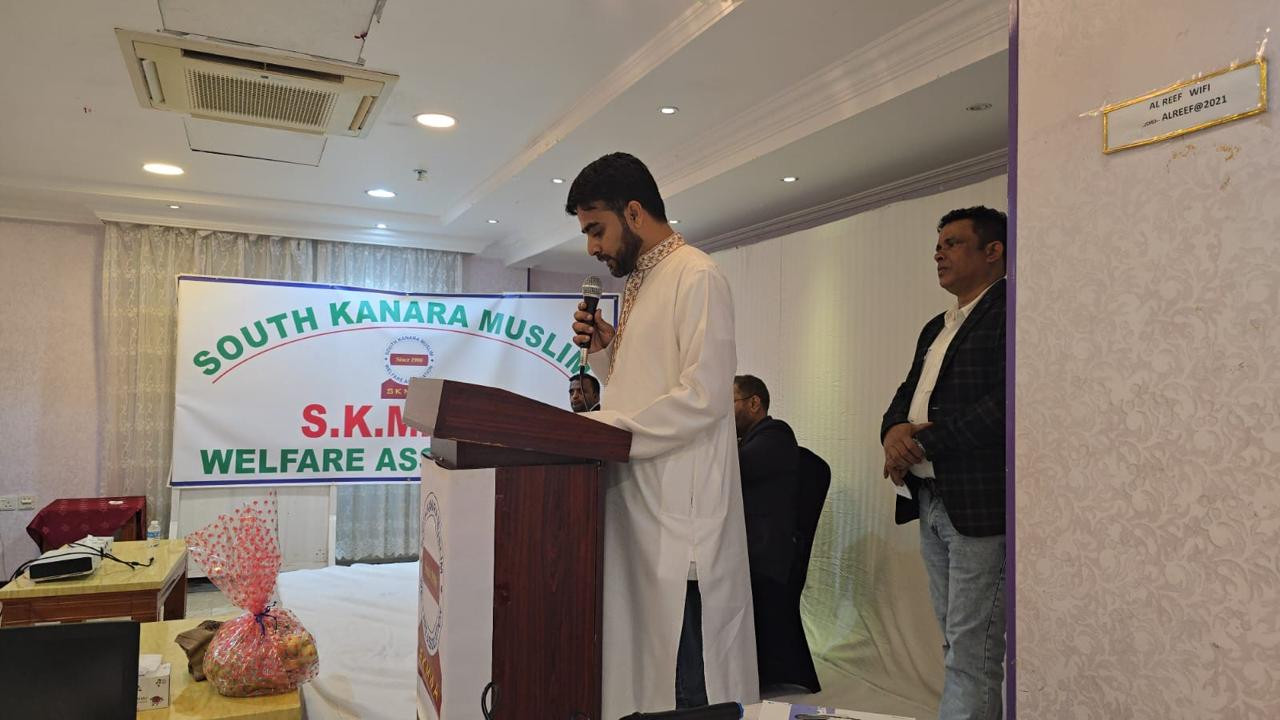
The programme commenced with a recitation from the Holy Quran by Zaid Asif. The Annual Activity Report for 2025 was presented by Sameer Ahmed, while the financial report was delivered by Mohammed Asif Gafoor and verified by Auditor Ashraf Ali.
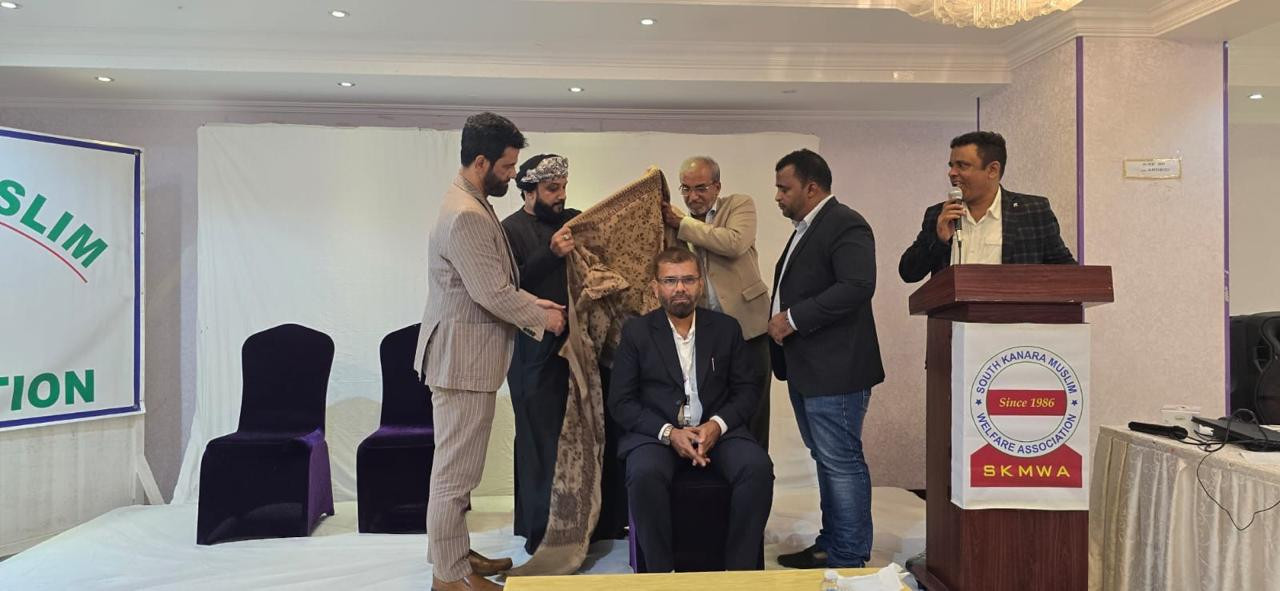
Former president Azim was felicitated by Syed Mohiddin Saheb during the event.
The meeting concluded with an address by the newly elected president, followed by a vote of thanks proposed by General Secretary Jaseem Basha. The programme was coordinated by Syed Mohiddin Saheb (Sastan) and Ansar Katipalla.