UN: Arab economies to shrink by 5.7% amid virus fallout
Beirut: The pandemic will exact a heavy toll on Arab countries, causing an economic contraction of 5.7% this year, pushing millions into poverty and compounding the suffering of those affected by armed conflict, a UN report said on Thursday.
The UN's Economic and Social Commission for Western Asia expects some Arab economies to shrink by up to 13%, amounting to an overall loss for the region of 152 billion.
Another 14.3 million people are expected to be pushed into poverty, raising the total number to 115 million a quarter of the total Arab population, it said.
More than 55 million people in the region relied on humanitarian aid before the COVID-19 crisis, including 26 million who were forcibly displaced.
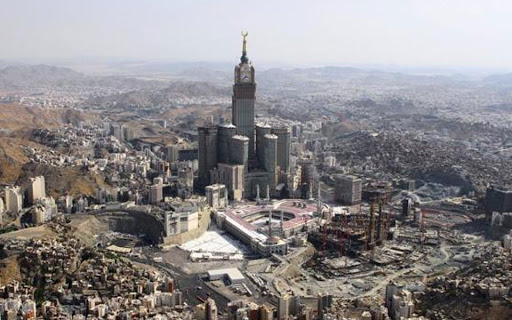
Arab countries moved quickly to contain the virus in March by imposing stay-at-home orders, restricting travel and banning large gatherings, including religious pilgrimages.
Arab countries as a whole have reported more than 830,000 cases and at least 14,717 deaths. That equates to an infection rate of 1.9 per 1,000 people and 17.6 deaths per 1,000 cases, less than half the global average of 42.6 deaths, according to the UN.
But the restrictions exacted a heavy economic toll, and authorities have been forced to ease them in recent weeks. That has led to a surge in cases in some countries, including Lebanon, Iraq and the Palestinian territories.
Wealthy Gulf countries were hit by the pandemic at a time of low oil prices, putting added strain on already overstretched budgets. Middle-income countries like Jordan and Egypt have seen tourism vanish overnight and a drop in remittances from citizens working abroad.
War-torn Libya and Syria have thus far reported relatively small outbreaks. But in Yemen, where five years of civil war had already generated the world's worst humanitarian crisis, the virus is running rampant in the government-controlled south while rebels in the north conceal its toll.
Rola Dashti, the head of the UN commission, said Arab countries need to turn this crisis into an opportunity and address longstanding issues, including weak public institutions, economic inequality and over-reliance on fossil fuels.
We need to invest in survival, survival of people and survival of businesses, she said.
Let the Truth be known. If you read VB and like VB, please be a VB Supporter and Help us deliver the Truth to one and all.
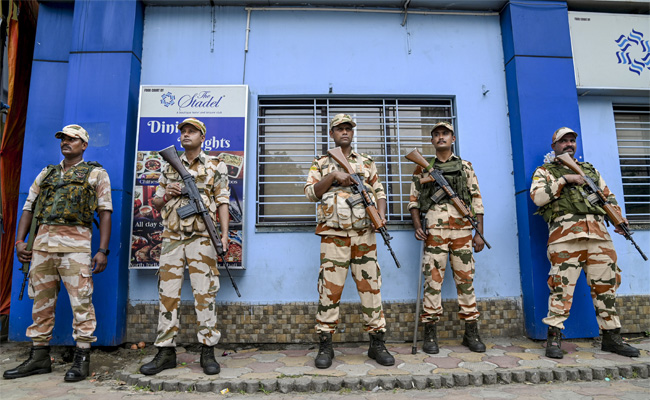
Bengal: Over 55 pc turnout till 1 pm in repoll in 15 booths of 2 assembly seats
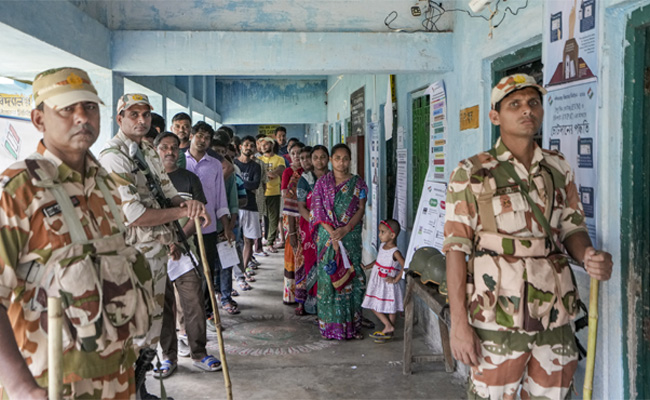
Kolkata (PTI): Over 55 per cent turnout was recorded till 1 pm in repoll in 15 booths of two assembly constituencies in West Bengal's South 24 Parganas district on Saturday, an official said.
Voting was underway more or less peacefully at 11 polling stations of Magrahat Paschim assembly constituency and four in Diamond Harbour, where the EC ordered repoll a day ago, following reports of electoral malpractices.
However, at booth number 179 at Chanda Primary School of Diamond Harbour seat, the Trinamool Congress alleged that a specially abled voter and his mother were harassed by central forces. The alleged incident sparked protests by party workers and locals.
The TMC claimed that the voter's mother, who had entered the booth to assist him, and her son were detained for a considerable time by central forces over alleged rule violations.
ALSO READ: Man arrested for duping Delhi resident of Rs 2 lakh in online car sale fraud
"TMC leaders Manmohini Biswas and Pratik Ur Rahman reached the spot and led the protests, with residents terming the action unwarranted harassment. The matter has been taken care of by our officials there," an official of the poll body said.
Polling was otherwise peaceful across 15 booths in the area, he added.
Voting began at 7 am and will continue till 6 pm, the official said, adding that till 1 pm, the turnout was 55.57 per cent.
Magrahat Paschim registered 56.33 per cent voter turnout, while in Diamond Harbour, it was 54.9 per cent, a poll official stated.
Voting in these two assembly constituencies was held in the second phase of the state elections on April 29.
The repoll order was based on reports received from returning officers and observers of the two constituencies and "material circumstances", the Election Commission official said.
In Magrahat Paschim, TMC's Md Samim Ahamed Molla is pitted against BJP nominee Goursundar Ghosh, while Abdul Majid Halder of the Congress and ISF candidate Abdul Aziz Al Hassan are also in the fray.
TMC candidate Panna Lal Halder is contesting against Dipak Kumar Halder of the BJP in the Diamond Harbour seat. Goutam Bhattacharya of the Congress and CPI(M)'s Samar Naiya are among other candidates.
The BJP had alleged rampant electoral malpractices in certain polling stations of both the assembly seats under the Diamond Harbour Lok Sabha constituency, which is represented by TMC national general secretary Abhishek Banerjee.
The EC had deputed its special observer, Subrata Gupta, to fact-check the allegations from the ground.
The poll panel will decide on repolling in the Falta assembly constituency on Saturday.
The West Bengal assembly elections were held in two phases -- April 23 and April 29 -- amid unprecedented security arrangements.
Counting of votes will take place on May 4.