US lawmakers urge Pak to refrain from any retaliatory aggression against India
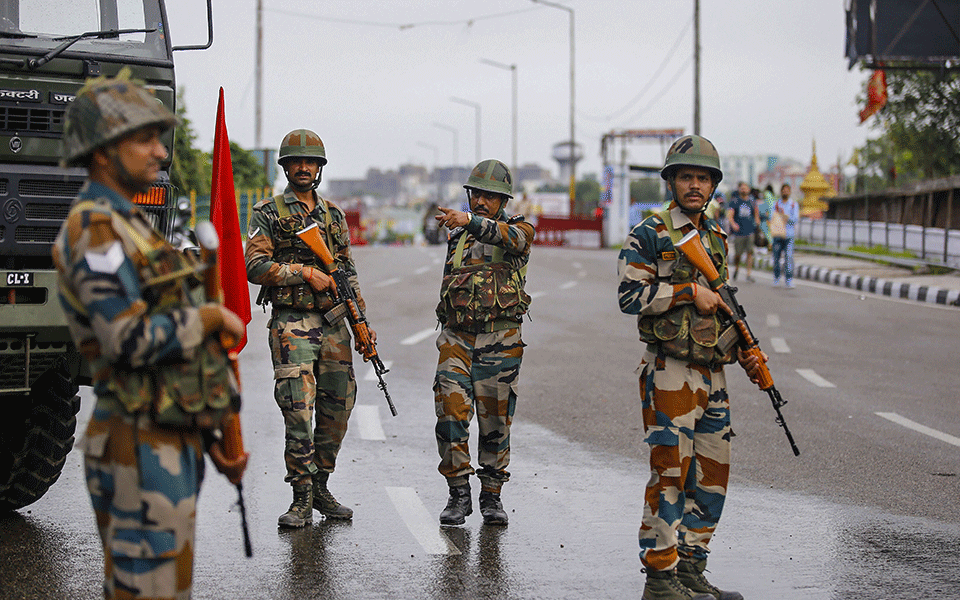
Washington: Two powerful Democratic lawmakers have urged Pakistan to refrain from any "retaliatory aggression" against India and take "demonstrable action" against terrorist groups within its territory.
Pakistan on Wednesday expelled Indian High Commissioner Ajay Bisaria and downgraded diplomatic ties with India over what it called New Delhi's "unilateral and illegal" move to revoke the special status of Jammu and Kashmir.
Senator Robert Menendez and Congressman Eliot Engel in a joint statement on Wednesday also expressed concern over the restrictions in Jammu and Kashmir.
Menendez is a ranking member of the Senate Foreign Relations Committee, while Engel is the chairman of the House Foreign Affairs Committee.
"Pakistan must refrain from any retaliatory aggression, including support for infiltrations across the Line of Control, and take demonstrable action against the terrorist infrastructure on Pakistan's soil, they said in the statement.
Expressing concern over detention and restrictions in Jammu and Kashmir, the lawmakers said that "as the world's largest democracy, India has an opportunity to demonstrate for all its citizens the importance of protecting and promoting equal rights, including freedom of assembly, access to information, and equal protection under the law."
"Transparency and political participation are the cornerstones of representative democracies, and we hope the Indian government will abide by these principles in Jammu and Kashmir," they said.
The Indian Parliament on Tuesday approved a resolution abrogating special status to Jammu and Kashmir under Article 370 of the Constitution and a bill for splitting the state into two Union territories -- Jammu and Kashmir, and Ladakh.
India has maintained that Jammu and Kashmir is its integral part and the issue is strictly internal to the country.
Let the Truth be known. If you read VB and like VB, please be a VB Supporter and Help us deliver the Truth to one and all.
Hospital wall collapse: CM orders suspension of executive engineer; kin of victims get solatium
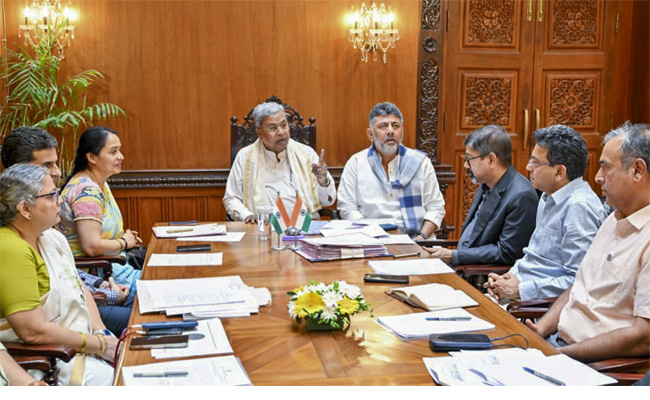
Bengaluru (PTI): Karnataka Chief Minister Siddaramaiah on Thursday ordered the immediate suspension of an executive engineer for the Bowring and Lady Curzon Hospital wall collapse that claimed the lives of seven people, during a high-level review meeting at Vidhana Soudha.
A compensation of Rs 5 lakh, as announced by the CM Siddaramaiah, was distributed to the families of seven victims who lost their lives in the tragedy on Wednesday evening, which occurred due to heavy downpour with gusty winds and hailstorm.
The meeting of municipal commissioners of the five corporations, chaired by the chief minister and attended by Deputy Chief Minister D K Shivakumar, focused on fixing accountability and examining lapses that led to the tragedy.
"Why was soil dumped in a way that damaged the wall? Why did you not monitor this?" Siddaramaiah asked, pulling up hospital authorities during the meeting.
A statement from the chief minister's office said that the CM ordered the immediate suspension of the executive engineer of the Karnataka Health Systems Development Project (KHSDP).
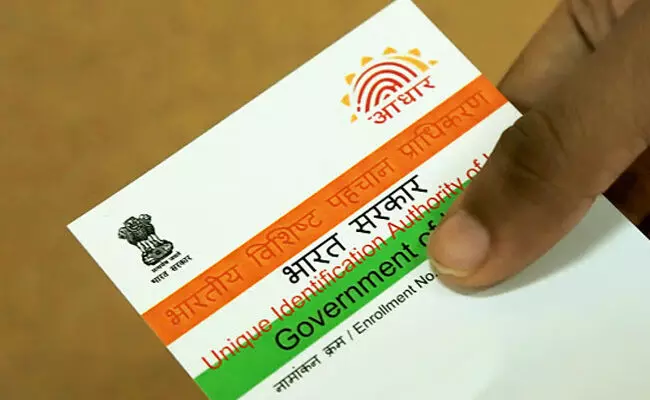
ALSO READ: Three arrested for running fake Aadhaar racket in UP's Badaun
He also questioned the hospital authorities, asking why they failed to monitor the dumping of soil that weakened the structure.
The chief minister directed that a notice be issued to the head of the Hospital.
During the meeting, Siddaramaiah said the rains had caused extensive damage in the city, with over 250 trees uprooted.
The Chief Minister instructed officials to take necessary measures before the onset of the monsoon to avoid untoward incidents.
Commissioners of all five municipal zones in Bengaluru have been asked to take precautionary steps, including trimming dry and dangerous tree branches, the CMO said.
Siddaramaiah also directed them to get the silt cleared from stormwater drains to prevent flooding, and that immediate action be taken to remove debris and fallen branches from roads.
Further, he instructed that barricades be placed at underpasses where water stagnates and restricts public movement.
The Greater Bengaluru Authority (GBA) Chief Commissioner M Maheshwar Rao said in a statement that Shivajinagar MLA Rizwan Arshad distributed compensation cheques of Rs 5 lakh each to the families of the deceased on Thursday.
Seven people, including a six-year-old girl, were killed and seven others injured when the compound wall collapsed amid heavy rain, strong winds and a hailstorm on Wednesday evening.
Police said the victims, comprising three from Bengaluru, two from Kerala on a study tour and one each from Uttar Pradesh and Assam, had taken shelter near the wall when it suddenly gave way, trapping them under the debris.
The chief minister questioned officials over the dumping of soil near the wall despite knowing it could weaken the structure, and directed that a notice be issued to the head of Bowring Hospital.
Siddaramaiah, who had visited the spot soon after the incident along with senior officials, reviewed the situation and ordered a detailed probe into the collapse.