US sanctions NATO ally Turkey over purchase of Russian S-400 defence missiles
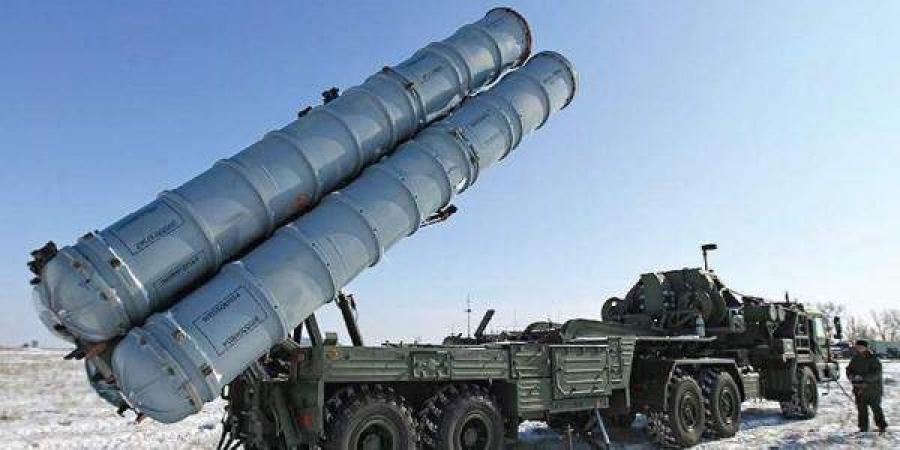
Washington, Dec 14: The Trump administration on Monday imposed sanctions on its NATO ally Turkey over its purchase of a Russian air defence system, setting the stage for further confrontation between the two nations as President-elect Joe Biden prepares to take office.
The move comes at a delicate time in relations between Washington and Ankara, which have been at odds for more than a year over Turkey's acquisition from Russia of the S-400 missile defense system, along with Turkish actions in Syria, the conflict between Armenia and Azerbaijan and in the eastern Mediterranean.
The US had previously kicked Turkey out of its F-35 stealth fighter development and training program over the purchase, but had taken no further steps despite persistent warnings from American officials who have long complained about the purchase of the S-400, which they say is incompatible with NATO equipment and a potential threat to allied security.
The United States made clear to Turkey at the highest levels and on numerous occasions that its purchase of the S-400 system would endanger the security of U.S. military technology and personnel and provide substantial funds to Russia's defense sector, as well as Russian access to the Turkish armed forces and defense industry, Secretary of State Mike Pompeo said.
Turkey nevertheless decided to move ahead with the procurement and testing of the S-400, despite the availability of alternative, NATO-interoperable systems to meet its defense requirements, he said in a statement.
I urge Turkey to resolve the S-400 problem immediately in coordination with the United States, he said. Turkey is a valued Ally and an important regional security partner for the United States, and we seek to continue our decades-long history of productive defense-sector cooperation by removing the obstacle of Turkey's S-400 possession as soon as possible.
The sanctions target Turkey's Presidency of Defense Industries, the country's military procurement agency, its chief Ismail Demir and three other senior officials. The penalties block any assets the four officials may have in U.S. jurisdictions and bar their entry into the U.S. They also include a ban on most export licenses, loans and credits to the agency.
The administration had held off on imposing punitive sanctions outside of the fighter program for months, in part to give Turkish officials time to reconsider deploying it and, some suspect, due to President Donald Trump's personal relationship with Turkish leader Recep Tayyip Erdogan.
However, in past months Turkey has moved ahead with testing of the system drawing criticism from Congress and others who have demanded the sanctions be imposed under the Countering America's Adversaries Through Sanctions Act, or CAATSA, which mandates penalties for transactions deemed harmful to US interests.
Coming just a month and-a-half before Biden assumes office, the sanctions pose a potential dilemma for the incoming administration, although the president-elect's team has signaled it is opposed to Turkey's use of the S-400 and the disunity within NATO it may cause.
Last month, Turkish Defense Minister Hulusi Akar said Turkey was prepared to discuss with the U.S. its anxiety over the interoperability of the S-400s and the F-35s. The U.S. reacted cooly to the suggestion and Pompeo shortly thereafter pointedly did not meet with any Turkish government officials on a visit to Istanbul.
Turkey tested the missile defense system in October for the first time, drawing a condemnation from the Pentagon.
Ankara says it was forced to buy the Russian system because the U.S. refused to sell it American-made Patriot missiles. The Turkish government has also pointed to what it considers a double standard, as NATO member Greece uses Russian-made missiles.
Let the Truth be known. If you read VB and like VB, please be a VB Supporter and Help us deliver the Truth to one and all.
MP boat tragedy: Death toll climbs to 12; search on for one missing person
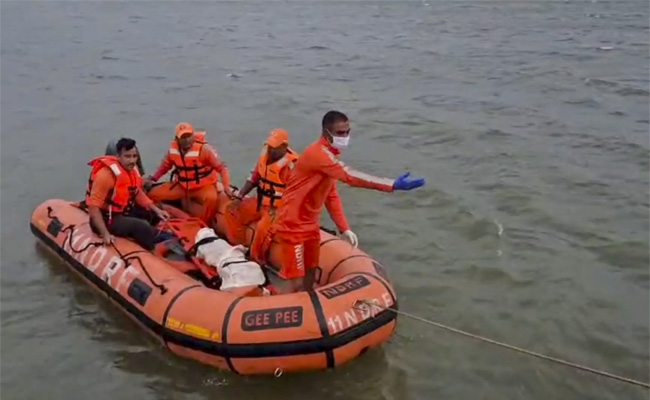
Jabalpur (PTI): The body of a 5-year-old boy was recovered from the Bargi Dam in Madhya Pradesh's Jabalpur district on Sunday morning, taking the death toll in the cruise boat tragedy to 12, while search continued for one missing person, police said.
The boat, around 20 years old and operated by the state tourism department, capsized during a storm on Thursday evening.
The body of Mayuram (5) has been fished out of the dam. Search is underway for Kamraj (aged around 50), an employee of the Ordnance Factory in Khamaria, Bargi police station house officer (SHO) Neelesh Dohare told PTI.
More than 200 rescuers, including around 20 Army divers airlifted from Agra, National Disaster Response Force, State Disaster Response Force and local divers, were searching for the man 40-50 feet deep in the water in a radius of 5 km, according to police.
Of the 41 identified passengers on board the ill-fated vessel, 28 were rescued after the incident, police earlier said.
The CCTV footage near the boarding point showed 43 people heading towards the boat, while the identities of 41 passengers have been confirmed so far, they said.
The state government on Friday ordered a probe into the tragedy and dismissed three crew members. It also banned the operation of similar vessels in the state.