US State Department approves $670m arms deal with Saudi Arabia
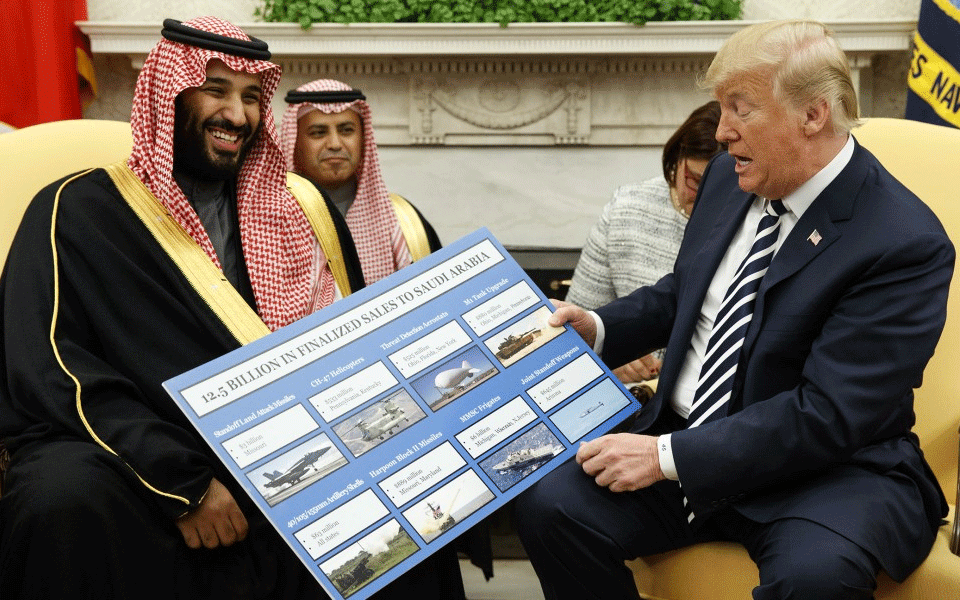
Washington: The US State Department has approved the sale of an estimated $670 million in anti-tank missiles to Saudi Arabia, just hours after Crown Prince Mohammed bin Salman met US Defence Chief James Mattis.
A statement from the State Department on Thursday confirmed approval of "TOW 2B (BGM-71F-Series) missiles for an estimated cost of $670 million" to the Kingdom. Congress was notified of the proposed sale and lawmakers have 30 days to try to stop it, the New York Times said.
The proposed package included up to 6,700 missiles made by Raytheon Missile Systems as well as spare parts for American-made tanks and helicopters that Saudi Arabia already owns.
The statement said the sale "will support US foreign policy and national security objectives by improving the security of a friendly country which has been and continues to be an important force for political stability and economic growth in the Middle East".
The proposed sale is bound to be questioned by Congress where the Senate this week rejected a bipartisan effort to halt US military support for the bombing campaign in Yemen.
The Trump administration strenuously protested the effort and sent Pentagon and State Department officials to Capitol Hill last week to lobby against its passage.
In the end, the administration prevailed and lawmakers from both parties shelved the measure for further debate by the Senate Foreign Relations Committee, according to the Times.
Hours earlier, Prince Mohammed met Mattis, who characterized Saudi Arabia as "part of the solution" in Yemen, which has been ripped apart by civil war.
He said Saudi Arabia supported the government in Yemen's capital Sana, which is recognized by the UN. "We are going to end this war. That is the bottom line," Mattis said.
"And we are going to end it on positive terms for the people of Yemen but also security for the nations in the peninsula."
Pentagon spokeswoman Dana White said Mattis did not bring up the mounting civilian casualties in Yemen during his discussion with Prince Mohammed.
Instead, she said, the Defence Secretary discussed the continued cooperation between the US and Saudi Arabia through additional training and military education.
Let the Truth be known. If you read VB and like VB, please be a VB Supporter and Help us deliver the Truth to one and all.
Smoke engulfs bus carrying convicted Cong MLA Vinay Kulkarni
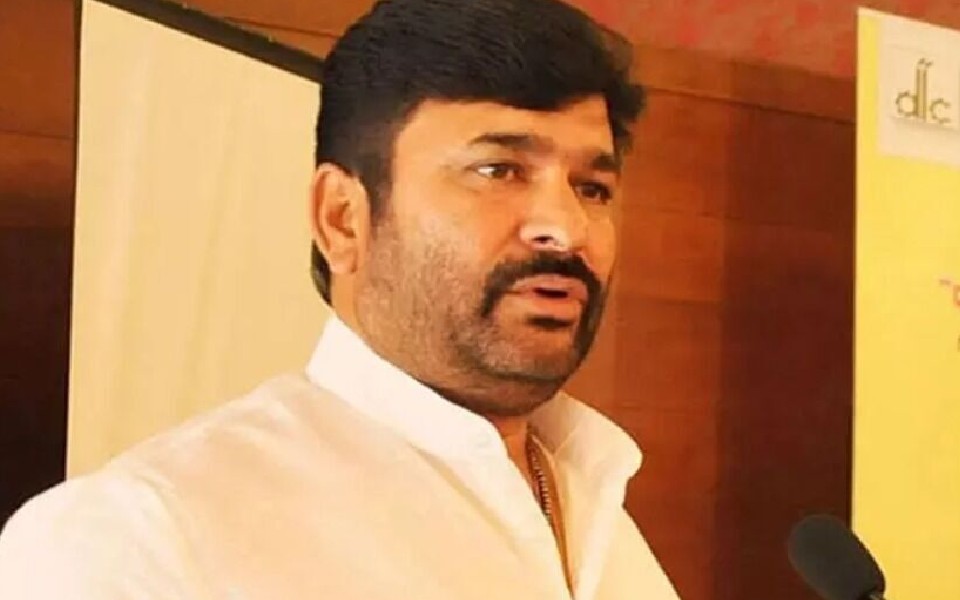
Bengaluru (PTI): A major accident was averted after a bus carrying murder convict Congress MLA Vinay Kulkarni and 16 accomplices developed a technical snag near Parappana Agrahara Central Prison, with thick smoke engulfing the vehicle, police sources said on Thursday.
The incident took place on Wednesday, when a Special Court for MPs and MLAs in Bengaluru convicted Kulkarni and 16 others in the 2016 murder case of BJP leader Yogesh Goudar.
The court held them guilty of criminal conspiracy and murder, and directed the CBI to take the accused into custody.
Following the verdict on Wednesday, Kulkarni was taken to the Parappana Agrahara Central Prison. The court will pronounce the quantum of sentence on Thursday.
According to police sources, a suspected short circuit combined with a diesel leak led to heavy smoke inside the bus, triggering panic among the occupants, including personnel of the Central Bureau of Investigation escort team.
Police sources said the CBI team acted swiftly and evacuated all those onboard, including Kulkarni, ensuring that no one was injured.
“The situation was brought under control immediately, and all passengers were safely moved out,” sources added.
The convicts were later shifted to alternative vehicles, including cars, and escorted safely from the spot without any casualties.
Police sources noted that the timely intervention of the escort team helped avert what could have been a major mishap.
STORY | Smoke engulfs bus carrying convicted Cong MLA Vinay Kulkarni
— Press Trust of India (@PTI_News) April 16, 2026
A major accident was averted after a bus carrying murder convict Congress MLA Vinay Kulkarni and 16 accomplices developed a technical snag near Parappana Agrahara Central Prison, with thick smoke engulfing the… https://t.co/dAzoxIBUaN
_vb_87.jpeg)