WHO chief calls growth in virus cases ''worrying''
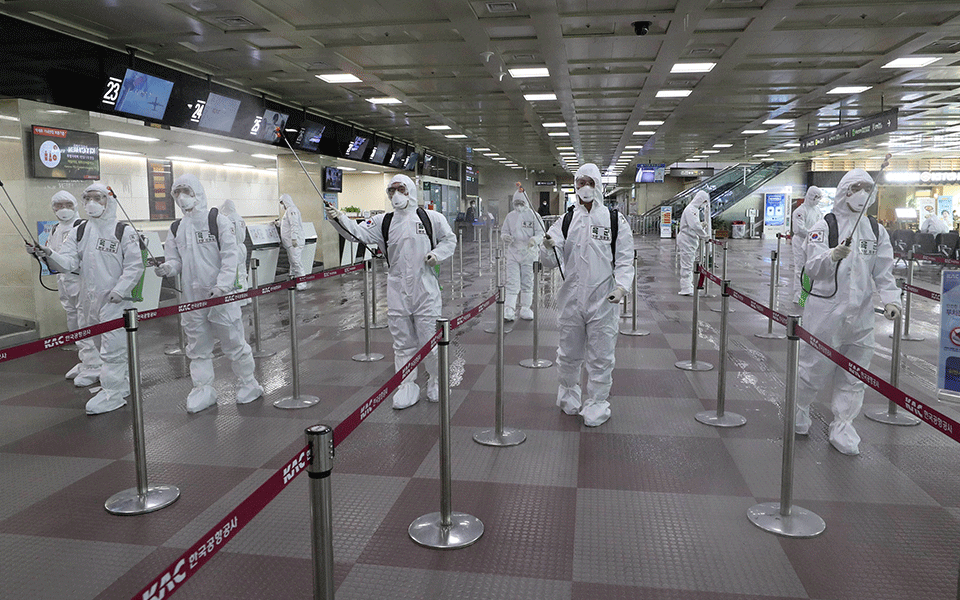
Geneva: The head of the World Health Organisation said coronavirus cases are continuing to rise globally at worrying rates and noted that the number of new cases confirmed per week has nearly doubled during the past two months.
At a press briefing on Friday, WHO Director-General Tedros Adhanom Ghebreyesus said the number of new cases is approaching the highest rate of infection that we have seen so far in the pandemic.
Tedros said some countries that had been able to avoid widespread COVID-19 outbreaks are now seeing steep increases, citing Papua New Guinea as an example.
Until the beginning of this year, Papua New Guinea had reported less than 900 cases and nine deaths, Tedros said.
The noted. The country has now identified more than 9,000 cases and 83 deaths, half of which were reported in the last month.
Papua New Guinea is a perfect example of why vaccine equity is so important, Tedros said, adding that the Pacific island nation has relied on vaccine donations from Australia and the UN-backed COVAX initiative.
To date, COVAX has shipped about 40 million vaccines to more than 100 countries, or enough to protect about 0.25 per cent of the world's population.
Let the Truth be known. If you read VB and like VB, please be a VB Supporter and Help us deliver the Truth to one and all.
Over 1 lakh students appear for NEET across TN
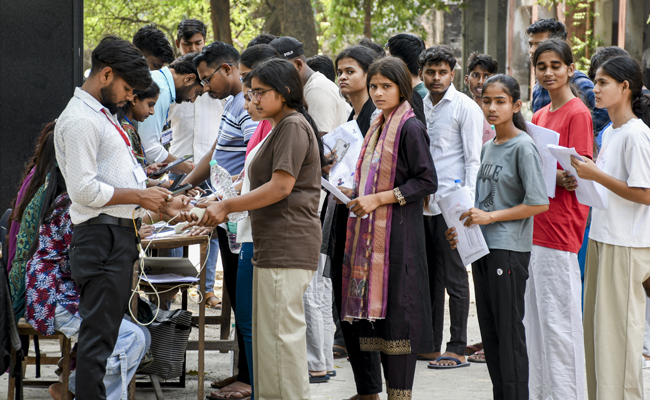
Chennai (PTI): About 1.4 lakh students appeared for the NEET 2026 exam for admission to medical degree courses across 31 centres in Tamil Nadu on Sunday.
Students claimed that the exam paper was easier than the previous year.
Organised by the National Testing Agency (NTA), 22.80 lakh students had registered for the National Eligibility cum Entrance Test (NEET) undergraduate exam nationwide.
NTA sources said that CCTV surveillance was installed at all examination centres, with feeds linked to centralised control rooms.
In view of the large candidate volume and prevailing summer conditions, the NTA ensured reliable power back-up, including generators at all centres, to ensure candidate comfort during the exam. Also, drinking water and on-site medical support were provided to students.
The sources further said that no malpractices were reported, especially in Chennai. The results of NEET are expected to be declared in June, 2026.