WHO: Omicron could spread faster but it''s still not certain
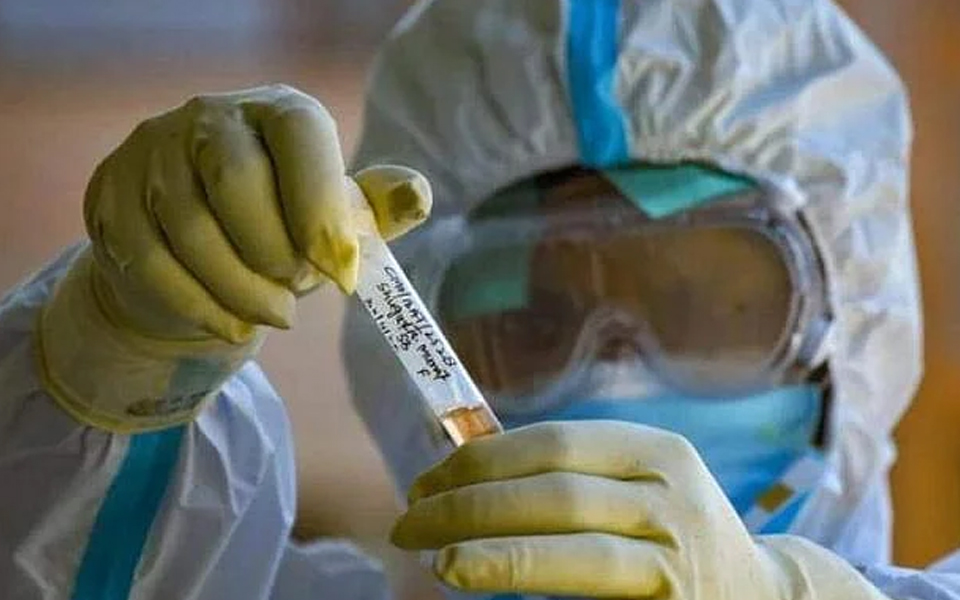
Geneva, Dec 8 (AP) The World Health Organization says early evidence suggests the omicron variant may be spreading faster than the highly transmissible delta variant but brings with it less severe coronavirus disease - though it's too early to make firm conclusions.
The comments come among swirling concerns about the new variant that first emerged in southern Africa last month, prompting some countries to shut their borders and rattling stock markets fearful of the long-term impact of a possible new variant of the virus that has already infected at least 267 million people and killed more than 5.2 million.
Dr. Michael Ryan, WHO's chief of emergencies, told reporters Wednesday that data about the omicron variant so far is pointing to a virus that's efficiently transmitting and probably more efficiently transmitting than even the delta variant, which is by far the most widespread and deadly version.
Maria Van Kerkhove, the technical lead for COVID-19 at the U.N. health agency, cautioned that it was too early to determine the severity of disease caused by omicron, saying there's only anecdotal information about that for now.
We certainly have information from South Africa that many of the patients that are identified with omicron have a more mild course of disease, she said. But it does take time for people to go through the full course of their infection.
Meanwhile, WHO officials stuck to their stance that giving booster shots to people who are already vaccinated should be a secondary priority to getting first doses into the arms of people in places that have relatively little vaccination coverage.
Dr. Soumya Swaminathan, the WHO's chief scientist, said wholesale boosting is not the solution right now. That appeared to be an allusion to policies in some countries, notably in hard-hit Europe and the United States, that encourage broad categories of people to get booster shots, not just groups that are seen as especially vulnerable.
The data from country after country after country is showing that the people who are in the ICUs, the people who are severely ill, and the people who are dying are the unvaccinated, she said. I think the message is loud and clear that it's a primary course of vaccination that is going to protect against severe disease and death -- that has to be our goal.
Boosters, she added, aren't useful in countries with large vaccine supplies but where up to 50% of people have not gotten vaccinated, whether out of concern for secondary effects or other reasons.
At this point, the benefits that we will get from reaching those people who have not received primary courses of vaccination are going to be higher than giving additional doses to those who have already completed a primary course, Swaminathan said.
The agency had hoped to vaccinate priority populations the elderly, people with weaker immune systems and health care workers - in all countries by the end of this year. But rich countries with big vaccine stockpiles have monopolized most doses.
Let the Truth be known. If you read VB and like VB, please be a VB Supporter and Help us deliver the Truth to one and all.
Sengottaiyan secures historic 10th victory in Gobichettipalayam assembly constituency
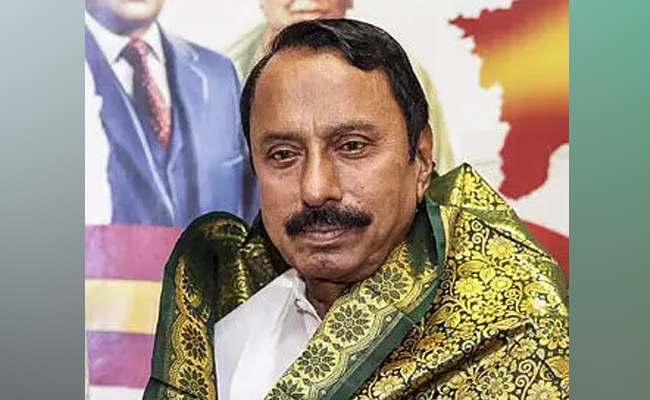
Gobichettipalayam (Tamil Nadu) (PTI): In a historic 10th win, veteran leader K A Sengottaiyan clinched the Gobichettipalayam seat in the 2026 Assembly elections.
Contesting for the first time under actor Vijay’s TVK, the 78-year-old secured approximately 71,380 votes, defeating DMK’s N Nallasivam by a margin of nearly 13,000 votes.
This win marks Sengottaiyan’s 10th consecutive victory in the constituency, cementing his status as an immovable force in the region despite his high-profile exit from the AIADMK in late 2025.
His success was a cornerstone for the TVK, which emerged as a formidable force across the state. Supporters celebrated the win as a testament to Sengottaiyan’s personal influence, which successfully transitioned from his former Dravidian home to the newly formed TVK.