Xevudy: UK approves new COVID treatment, may work against Omicron

London, Dec 2: The UK's medicines regulator on Thursday approved a new antibody treatment against COVID-19, which it believes will also be effective against new variants such as Omicron.
The Medicines and Healthcare products Regulatory Agency (MHRA) said Xevudy or sotrovimab is for people with mild to moderate COVID-19 who are at high risk of developing severe disease.
Developed by GSK and Vir Biotechnology, sotrovimab is a single monoclonal antibody and the drug works by binding to the spike protein on the outside of the COVID-19 virus. This in turn prevents the virus from attaching to and entering human cells, so that it cannot replicate in the body.
I am pleased to say that we now have another safe and effective COVID-19 treatment, Xevudy (sotrovimab), for those at risk of developing severe illness, said Dr June Raine, MHRA Chief Executive.
This is yet another therapeutic that has been shown to be effective at protecting those most vulnerable to COVID-19, and signals another significant step forward in our fight against this devastating disease. With no compromises on quality, safety and effectiveness, the public can trust that the MHRA have conducted a robust and thorough assessment of all the available data, she said.
Sotrovimab is administered by intravenous infusion over 30 minutes and is approved for individuals aged 12 and above who weigh more than 40 kg. The MHRA said it is too early to know whether the Omicron variant has any impact on sotrovimab's effectiveness, but they plan to work with the manufacturers to establish this.
But based on preliminary lab studies, researchers say the drug targets a part of the spike protein of the virus that has not yet undergone big changes or mutations, meaning it should work well against all variants.
In a clinical trial, a single dose of the monoclonal antibody was found to reduce the risk of hospitalisation and death by 79 per cent in high-risk adults with symptomatic COVID-19 infection. Based on the clinical trial data, sotrovimab is most effective when taken during the early stages of infection and so the MHRA recommends its use as soon as possible and within five days of symptom onset.
When administered in the early stages of infection, sotrovimab was found to be effective at reducing the risk of hospitalisation and death in high-risk individuals with symptomatic COVID-19. Based on the data reviewed by the Commission and its expert group, it is clear sotrovimab is another safe and effective treatment to help us in our fight against COVID-19, said Professor Sir Munir Pirmohamed, Chair of the UK's Commission on Human Medicines.
Like molnupiravir, which is an antiviral pill treatment in use, the new therapy has been authorised for use in people who have mild to moderate COVID-19 infection and at least one risk factor for developing severe illness. Such risk factors include obesity, older age groups of 60 and above, diabetes mellitus, or heart disease.
The MHRA reiterated that sotrovimab is not intended to be used as a substitute for vaccination against COVID-19. Following the approval, the UK's National Health Service (NHS) will confirm how this COVID-19 treatment will be deployed to patients.
Let the Truth be known. If you read VB and like VB, please be a VB Supporter and Help us deliver the Truth to one and all.
Sengottaiyan secures historic 10th victory in Gobichettipalayam assembly constituency
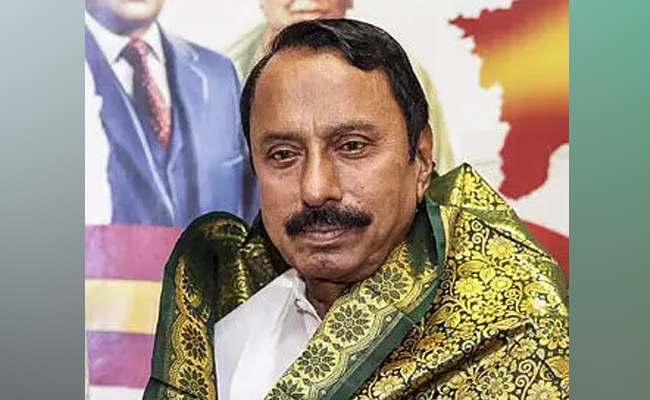
Gobichettipalayam (Tamil Nadu) (PTI): In a historic 10th win, veteran leader K A Sengottaiyan clinched the Gobichettipalayam seat in the 2026 Assembly elections.
Contesting for the first time under actor Vijay’s TVK, the 78-year-old secured approximately 71,380 votes, defeating DMK’s N Nallasivam by a margin of nearly 13,000 votes.
This win marks Sengottaiyan’s 10th consecutive victory in the constituency, cementing his status as an immovable force in the region despite his high-profile exit from the AIADMK in late 2025.
His success was a cornerstone for the TVK, which emerged as a formidable force across the state. Supporters celebrated the win as a testament to Sengottaiyan’s personal influence, which successfully transitioned from his former Dravidian home to the newly formed TVK.