10K 'Supercharger' stations worldwide soon: Musk
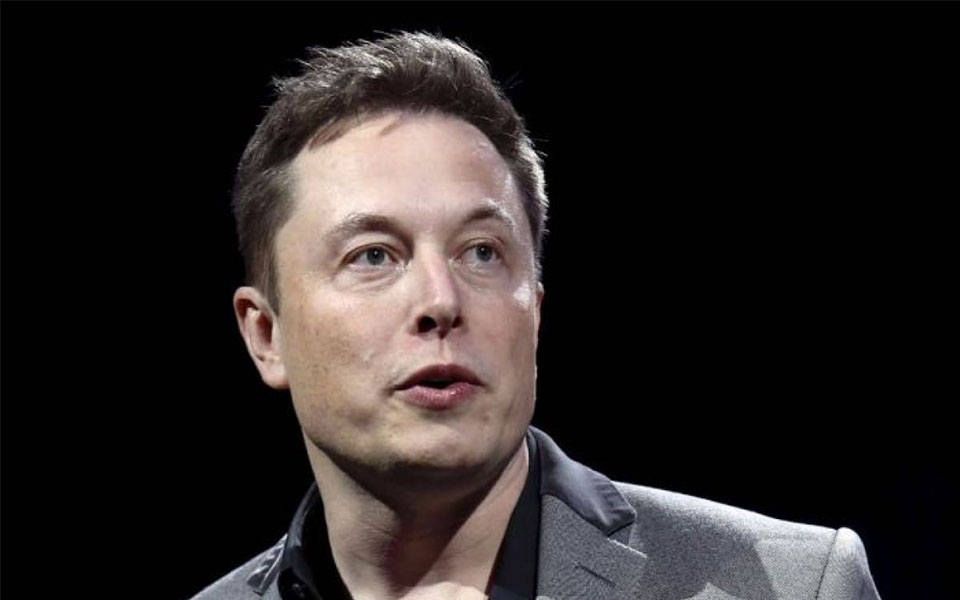
San Francisco, May 28: Tesla CEO Elon Musk has revealed plans to install 10,000 Supercharger stations for his company's electric vehicles around the world by 2019 end.
There are at present 1,229 Supercharger stations across the world, with 9,623 Superchargers installed which can charge an electric vehicle in just 30 minutes (nearly 80 per cent capacity).
From January to May 12, Tesla has added 121 new stations.
Tesla is installing Superchargers in urban areas where city dwellers and out of town visitors can easily charge.
These stations are placed at convenient locations like grocery stores, downtown districts and shopping centres, so charging fits seamlessly into your life.
Musk on Sunday tweeted a global map of the upcoming Supercharger stations, mainly in Europe, North America and China.
Superchargers deliver energy rapidly and gradually slow down as the battery fills.
"Your vehicle automatically alerts you when it has enough energy to continue the trip and with the extensive network of Superchargers along popular routes, charging above 80 per cent isn't typically necessary," Tesla said.
Each year, Tesla Model S and Model X owners receive 400 kWh of free Supercharger credit, enough to drive about 1,610 km.
Charging costs are approximate. Charging cost estimate assumes Supercharger cost of $0.26 per kWh.
Cost may vary depending on the vehicle location, configuration, battery age and condition, driving style and operation, and environmental and climate conditions.
Tesla has confirmed that it has produced its 300,000th vehicle. There are now 212,821 Model S vehicles, 71,927 Model X vehicles, and 1,770 Model 3 vehicles.
Let the Truth be known. If you read VB and like VB, please be a VB Supporter and Help us deliver the Truth to one and all.
Centre spent Rs 76.13 lakh on print media ads for RSS centenary, reveals RTI

New Delhi: The Union Ministry of Culture allegedly spent Rs 76.13 lakh on print advertisements marking the 100-year celebrations of the Rashtriya Swayamsevak Sangh (RSS), according to a Right to Information (RTI) reply.
The information was sought by RTI activist Ajay Basudev Bose, who filed an application seeking details on expenditure incurred by the ministry for advertisements commemorating the RSS centenary.
Bose shared a picture of the reply from the ministry on his official ‘X’ handle.
“It is informed that an amount of Rs 76,13,129 has been spent on advertisement given in various print media by the Ministry of Culture on the occasion of the completion of 100 years of RSS,” the government’s reply stated.
RTI reply shows Min of Culture Govt of India spent a Whopping Rs 76L,13K,129 on Advertisement in Print Media on occasion of 100 yrs of #RSS
— AJAY Basudev Bose (@AjayBos93388306) April 16, 2026
When Everyone knows RSS is Not Registered & Does not Pay any Tax is it justified to spend Tax Payers Money on such Private event??@RSSorg… pic.twitter.com/dW4IUtdNCg
Bose questioned the expenditure in the post X, “when Everyone knows RSS is Not Registered & Does not Pay any Tax is it justified to spend Tax Payers Money on such Private event??”
Reacting to the development, Karnataka’s IT-BT and Panchayat Raj Minister Priyank Kharge also criticised the spending.
In a post on X, he asked why public money was being used for what he described as a “private ideological project.”
"Modi Sarkar spent Rs 76,13,129 of public money on newspaper advertisements to celebrate 100 years of the RSS. Why is Government spending taxpayers money on an unregistered, non-tax-paying organisation to celebrate their centenary?," he added.
Why is public money being used to serve a private ideological project?
— Priyank Kharge / ಪ್ರಿಯಾಂಕ್ ಖರ್ಗೆ (@PriyankKharge) April 16, 2026
Modi Sarkar spent ₹76,13,129 of public money on newspaper advertisements to celebrate 100 years of the RSS.
Why is Government spending taxpayers money on an unregistered, non-tax-paying organisation to… pic.twitter.com/EoZ6Pim3IM
According to reports, the RSS describes itself as a volunteer-based organisation and has stated that it functions as a body of individuals rather than a registered entity.
Founded by Keshav Baliram Hedgewar in 1925, the organisation is marking its centenary year beginning from Vijaydashami in 2025, with the milestone observed on October 2.