AGR hit: Vodafone Idea Q2 loss at Rs 50,921 crore
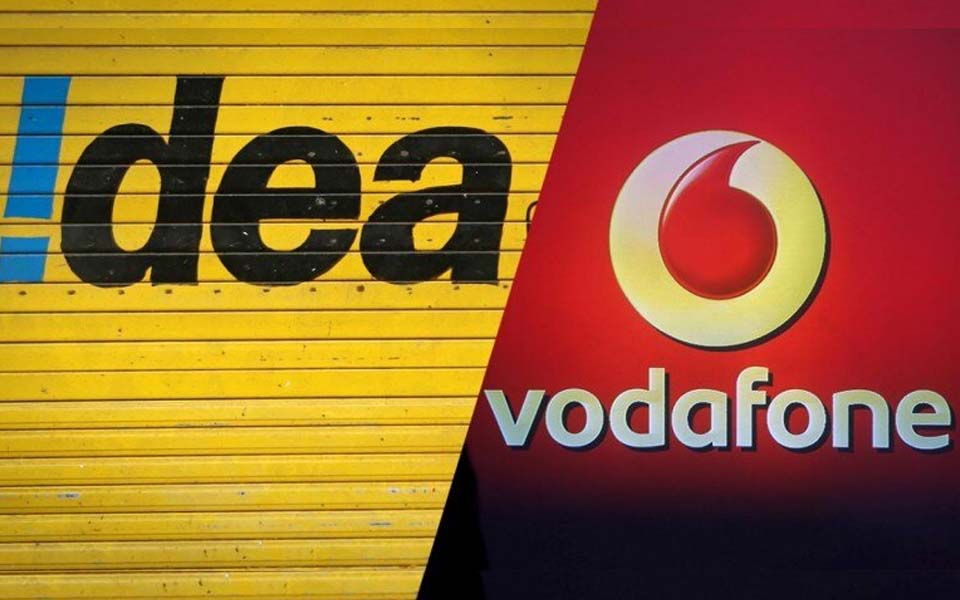
New Delhi, Nov 14: Hit hard by the unpaid statutory dues, telecom operator Vodafone Idea on Thursday posted a colossal Rs 50,921 crore loss for the second quarter ended September 30, and said it is in the process of filing a review petition on the adjusted gross revenue matter.
This is the highest ever quarterly loss posted by any Indian company in recent memory.
Vodafone Idea said its ability to continue as going concern is dependent on obtaining relief from the government and positive outcome of the proposed legal remedy.
The SC order on Adjusted Gross Revenue (AGR) matter "has significant financial implications for the industry", VIL said in a statement.
Its total loss stood at Rs 50,921 crore in September quarter, against Rs 4,874 crore loss in the year-ago period. Its revenue rose 42 per cent to Rs 11,146.4 crore during the second quarter this year.
The company has estimated liability of Rs 44,150 crore post the apex court order, and made provision of Rs 25,680 crore in the second quarter this fiscal.
Airtel, Vodafone Idea and other telecom operators have to pay the government a whopping Rs 1.4 lakh crore following the recent Supreme Court order that has sent shock waves through the industry which is already grappling with losses and billions of dollars in debt.
The Supreme Court, last month, upheld government's position on including revenue from non-telecommunication businesses in calculating the annual AGR of telecom companies, a share of which is paid as licence and spectrum fee to the exchequer.
As per latest estimates by the telecom department, Bharti Airtel faces a liability of around Rs 62,187 crore (including share of Tata Group of companies and Telenor India), while Vodafone Idea may have to pay about Rs 54,184 crore. The remaining liability is with state-owned BSNL/MTNL and some of the shut/bankrupt telecom companies.
Let the Truth be known. If you read VB and like VB, please be a VB Supporter and Help us deliver the Truth to one and all.
What is Iran’s 10-point plan? Key demands ahead of US talks in Islamabad
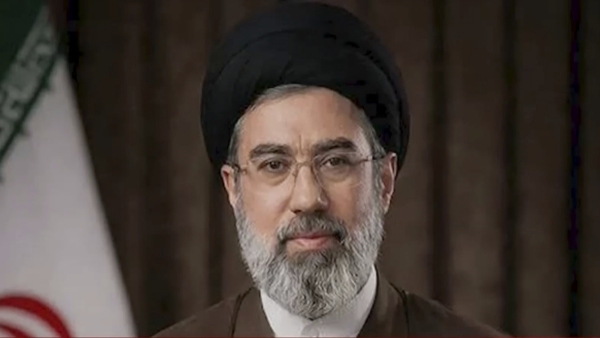
Tehran/Islamabad: Iran has outlined a 10-point plan as the basis for upcoming talks with the United States, expected to begin in Islamabad on April 11, according to a statement from the Iranian Supreme National Security Council.
The plan lays out Tehran’s key political, military and economic demands, and is being seen as a framework for negotiations following the recent escalation in the region.
Strait of Hormuz at the centre
A major focus of the plan is the Strait of Hormuz, a critical global shipping route. Iran has proposed “controlled passage through the Strait of Hormuz in coordination with the Iranian armed forces,” which it says would give the country a unique economic and geopolitical position.
The plan also calls for the “establishment of a safe transit protocol” in the Strait that would guarantee Iran’s dominance under an agreed mechanism.
Call to end conflict
Iran has demanded “the necessity of ending the war against all elements of the axis of resistance,” signalling its expectation that hostilities should stop not only in Iran but also involving allied groups in the region.
US troop withdrawal
Another key demand is the “withdrawal of US combat forces from all bases and deployment points in the region,” indicating Tehran’s long-standing position against American military presence in West Asia.
Sanctions relief and compensation
The plan places strong emphasis on economic measures. It calls for “full payment of Iran’s damages according to estimates,” along with “the lifting of all primary and secondary sanctions and resolutions of the Board of Governors and the Security Council.”
It also seeks “the release of all Iranian assets and properties frozen abroad,” which have been a major point of contention for years.
Binding global guarantee
Finally, Iran has demanded that all these terms be formally recognised through “a binding Security Council resolution,” suggesting it wants international legal backing to ensure enforcement.
What this means
The 10-point plan reflects Iran’s broader push for security guarantees, economic relief and regional influence. The upcoming talks in Islamabad are expected to test how far both sides are willing to negotiate on these demands.