India, Russia explore cooperation on small modular reactors, floating nuclear power plants
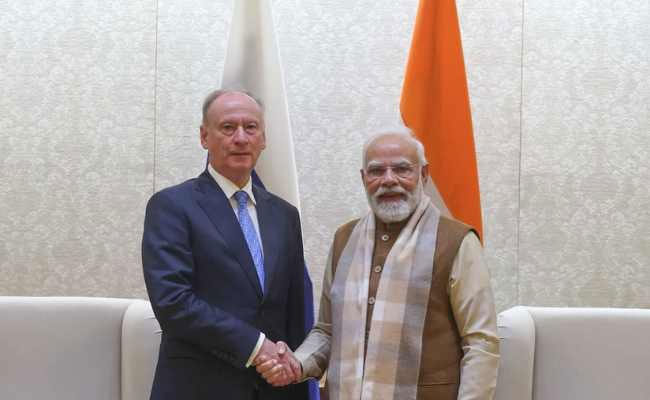
New Delhi (PTI): Selection of a site for building a second nuclear power plant with Russian reactors in India and cooperation on small modular reactors figured prominently during summit talks between Prime Minister Narendra Modi and Russian President Vladimir Putin on Friday.
The two sides discussed cooperation in the civil nuclear energy domain in the context of ramping up generation of clean energy.
"Energy security has been a strong and vital pillar of the India-Russia partnership. Our decades-old cooperation in the field of civil nuclear energy has played an important role in advancing our shared clean-energy priorities," Modi said in his media statement.
"We will continue to take this win-win cooperation forward," he said.
In the talks, the two sides reviewed the implementation of the Kudankulam nuclear power plant in Tamil Nadu.
The plant is being built with the assistance of Russia's state-run nuclear corporation, Rosatom.
"Getting this nuclear power plant to full power output will make an impressive contribution to the energy requirements of India. It will help supply Indian enterprises and houses with cheap and clean energy," Putin said.
"We presume that we could talk about the construction of small modular reactors and floating nuclear power plants and non-energy application of nuclear technologies, for example in medicine or agriculture," he said.
It is learnt that both sides discussed the possibility of cooperation on construction of small modular reactors.
A joint statement issued after the summit said the two sides confirmed their intention to broaden cooperation in nuclear energy, including fuel cycle, life cycle support for operating Kudankulam Nuclear Power Plant (KKNPP) and non-power applications.
It said cooperation in the peaceful use of atomic energy and related high technologies under a new agenda was also discussed.
The two sides noted the importance of the cooperation in the peaceful uses of nuclear energy as a significant component of the strategic partnership taking into account India's plans to increase nuclear energy capacity to 100 GW by 2047, it added.
The joint statement said the two sides "noted the importance of further discussion on the second site in India" for a nuclear power plant, and that the Indian side will strive to finalise formal allotment of the second site in accordance with earlier signed agreements.
Foreign Secretary Vikram Misri told a media briefing that a number of critical shipments for the third and fourth reactors at Kudankulam are underway.
"When it comes to the second site (for a nuclear power plant), this is an issue that has been under discussion between the two countries for some time now," he said.
Last month, Rosatom's director general Alexey Likhachev held wide-ranging talks with Department of Atomic Energy chairman Ajit Kumar Mohanty on civil nuclear cooperation between the two sides.
"Relevant organisations are currently developing technical specifications for a new nuclear power plant in India featuring VVER-1200 reactor units," Rosatom had said.
"New areas of cooperation are also under discussion - including the construction of small modular reactors (SMRs) of Russian design in India.
In April 2024, Rosatom presented its Indian partners with information on the corporation's floating nuclear power solutions," it said.
Let the Truth be known. If you read VB and like VB, please be a VB Supporter and Help us deliver the Truth to one and all.
CM Siddaramaiah alleges ‘criminal conspiracy’ in Sringeri recount, vows legal action
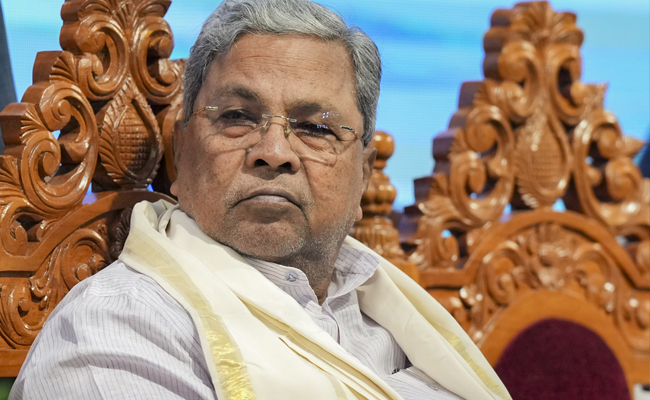
Bengaluru (PTI): Alleging a “criminal conspiracy” by BJP candidate D N Jeevaraj in the Sringeri Assembly poll recounting, Karnataka CM Siddaramaiah on Tuesday said the outcome was manipulated after valid postal ballot votes in favour of Congress leader T D Raje Gowda were tampered with during the recounting process.
Following a Karnataka High Court order on an election petition filed by Jeevaraj, challenging Raje Gowda’s election, the reverification and recounting were conducted on Saturday.
After the reverification and recount of postal ballots for the Sringeri Assembly constituency, votes polled in favour of Raje Gowda were reduced by 255, the returning officer said.
A report on the matter has been submitted to the Election Commission of India for further action, the officer added.
Congress leader Raje Gowda had won the 2023 Assembly polls from Sringeri by 201 votes, defeating his nearest rival Jeevaraj.
Addressing a press conference in Bengaluru, Siddaramaiah said the High Court had directed the recounting of postal ballots and that irregularities were noticed during the exercise conducted on May 2.
“This is a clear case of criminal conspiracy,” Siddaramaiah said, alleging that valid votes cast in favour of Raje Gowda were altered after being accepted by counting agents of all parties, including Congress, BJP, and JD(S).
He claimed that during the recounting of postal ballots, 255 votes were initially accepted as valid by all agents but were later tampered with by subordinate officials.
“There is a second mark on the votes polled in favour of Raje Gowda. They had accepted these as valid votes. Subsequently, another mark was made by officials. This is a clear case of criminal conspiracy,” he said.
When asked who was behind the alleged conspiracy, the CM replied, “It was hatched by Jeevaraj and others. It is planned.”
Siddaramaiah further alleged that the returning officer acted improperly by declaring the result despite the presence of an Election Commission observer during the recounting.
“Immediately after the counting, the returning officer announced the result. He should not have done so; this is against the law,” he said.
He pointed out that Raje Gowda had originally won by 201 votes, but after the recounting, the BJP candidate was declared the winner by 52 votes.
“The BJP has committed a criminal act of conspiracy. This is not vote chori but vote dacoity,” he alleged.
The CM said a police complaint had already been filed by Raje Gowda’s election agent, Sudhir Kumar, and emphasised the need for electoral integrity.
“We want transparency and free and fair elections. That is what our Constitution mandates,” he added.
Stating that the government would pursue legal remedies, Siddaramaiah said, “We are preparing an appeal challenging the returning officer’s announcement in a court of law.”
Responding to a separate query on elections in other states, the CM said there appeared to be an anti-incumbency factor in West Bengal, while results in Tamil Nadu were “surprising,” adding that Vijay’s party was emerging as the largest there.
Following the victory of party candidates in Bagalkote and Davanagere South, Siddaramaiah expressed confidence about future electoral prospects in Karnataka.
“Even in 2028, we will win the Assembly elections. We will come back,” the CM said.
Siddaramaiah added that he would order a forensic examination into the alleged tampering of postal ballots.