Airlines need to be properly rewarded, says IATA chief amid supply chain woes
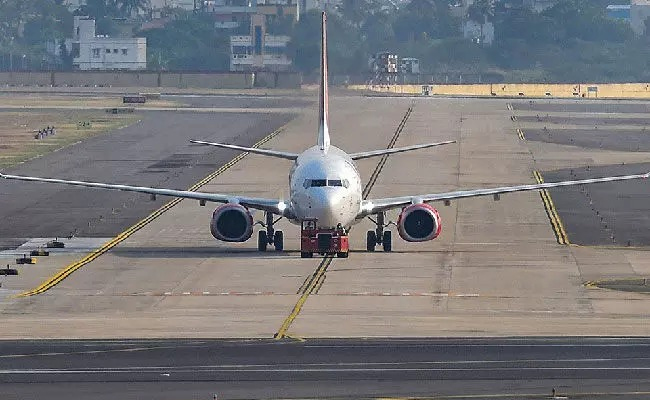
Bangkok (PTI): With supply chain woes continuing to impact aircraft deliveries, IATA chief Willie Walsh on Saturday said airlines need to be properly rewarded as he flagged concerns about talks of original equipment manufacturers planning to increase prices due to tariffs and other issues.
The International Airport Transport Association (IATA) represents nearly 350 airlines that account for around 85 per cent of the global air traffic.
Speaking at the 69th Assembly of Presidents of the Association of Asia Pacific Airlines (AAPA) here, IATA Director General Willie Walsh said there was huge frustration that the supply chain issues are not getting much better.
While airlines are a low margin industry, he said the margins of OEMs (Original Equipment Manufacturers) are high.
Taking examples, Walsh said engine makers are actually improving their financial performance during a period of massive disruption which has added massive costs to the airline industry.
Walsh pointed out that it is bothering when he hears suppliers talking about that they want to increase prices because of tariffs and other supply chain issues.
"There's got to be a correction to this. Airlines need to be properly rewarded. I don't object to anybody making profits....
"But we've got to see a greater balance and we need to see these critical suppliers raising their game and raising their game significantly to ensure that they're serving the industry in the way that we need to be served," he said.
The global aviation industry has been grappling with supply chain issues, especially after the pandemic, resulting in delayed aircraft deliveries even as airlines are looking to expand their fleets to meet rising passenger traffic demand.
At the Assembly, AAPA Director General Subhas Menon said tariffs will impact the nascent recovery of the supply chain and also increase non-fuel cost for the airlines.
"Supply chain recovery is now undermined by tariffs which increase supplier costs. While aircraft and engines are exempt, their raw materials, and components which come from many parts of the world, are not.
"Tariffs also affect demand through inflation. It is a double whammy as both supply, and demand sides of the market are affected," Menon said even as he added that air transport demand is buoyant.
Mentioning about sustainability, Menon emphasised that taxing airlines directly or indirectly through mandates has not worked and that Sustainable Aviation Fuel (SAF) production remains low.
A study, done by IATA in collaboration with consulting firm Oliver Wyman, said supply chain challenges are estimated to cost more than USD 11 billion for the global airlines industry in 2025.
The worldwide commercial aircraft backlog was more than 17,000 aircraft last year, higher than 2010-2019 period when the backlog stood at 13,000 planes per year.
The slow pace of production is projected to cost the airlines industry over USD 11 billion this year, mainly due to excess fuel, additional maintenance, increased engine leasing and surplus inventory holding costs, as per the study released in October.
Let the Truth be known. If you read VB and like VB, please be a VB Supporter and Help us deliver the Truth to one and all.
Woman Police Commissioner goes undercover to assess women's safety in Hyderabad
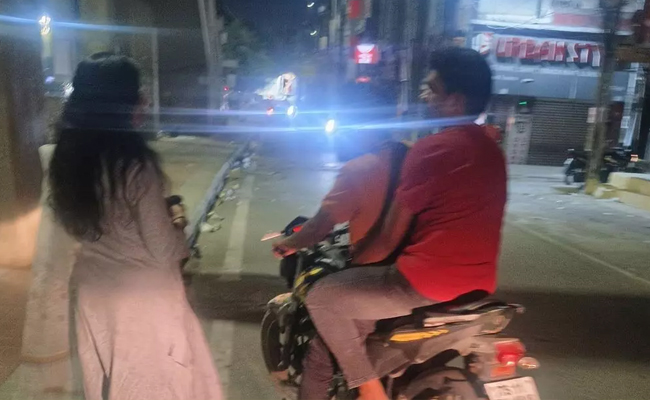
Hyderabad (PTI): Soon after taking over as Malkajgiri Police Commissioner B Sumathi went undercover and took up a field visit after midnight on May 1 to assess law and order, including women's safety.
Sumathi assumed charge as the Malkajgiri Police Commissioner on May 1.
On the same night, the senior IPS officer, in plainclothes, moved through the streets of Dilsukhnagar here, standing alone for some time to get a first-hand knowledge of law and order situation, official sources said on Wednesday.
"It was a general checking and she later interacted with police officials," they said.
The sources said about 30-40 individuals who approached her were counselled regarding their behaviour towards women in public places.
Sumathi, who earlier headed the Special Intelligence Branch (SIB), of the Telangana Police, oversaw the long drawn process of the Maoists joining the mainstream.