Indian-origin tech investor Shumeet Banerji resigns as BBC board member
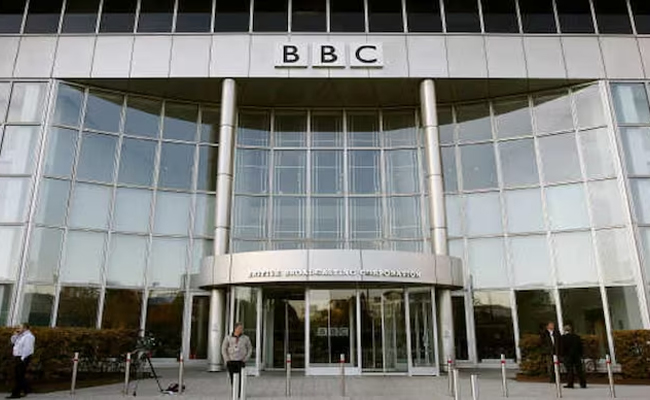
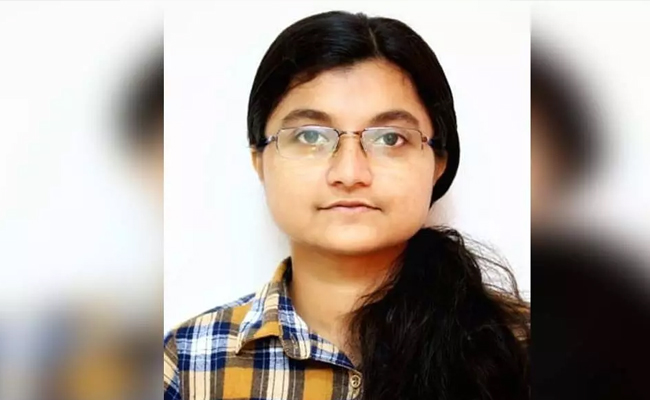
London (PTI): Shumeet Banerji, an Indian-origin tech industry investor, has resigned from his role as a non-executive board member of the BBC over "governance issues" at the top rung of the UK’s public broadcaster.
Banerji’s resignation on Friday comes amid ongoing upheaval within the British Broadcasting Corporation (BBC) over the edit of US President Donald Trump’s 2021 speech for a documentary, leading to the resignation of its top officials and an apology from chairman Samir Shah.
In his resignation letter referenced by ‘BBC News’, Banerji said he was "not consulted" about the events leading up to the departures of director-general Tim Davie and news chief Deborah Turness.
"Shumeet Banerji today notified the BBC Board of his resignation,” the BBC said in a statement on Friday night.
“Mr Banerji's term on the Board as a non-executive director was due to end at the end of December and we thank him for his service. The search for a replacement is already well under way and we will update further in due course," it stated.
According to his BBC profile, Banerji is the founder of Condorcet, an advisory and investment firm focused on early and development stage technology companies. He is also listed as an Independent Director of India’s Jio Platforms Limited and is also said to be serving on the Board of Directors of Jio’s parent Reliance Industries Limited (RIL).
As BBC's non-executive director, he was receiving a base fee of 33,000 pounds per annum for a role that has the responsibility for “upholding and protecting the independence of the BBC by acting in the public interest and exercising independent judgement”.
He was also tasked with ensuring that the 12-member board’s decision-making is in the “public interest, informed by the best interests of the audience and with appropriate regard to the impact of decisions on the wider media market in the UK”.
On the whole, non-executive directors must ensure that the BBC maintains the “highest standards of corporate governance, particularly with respect to financial reporting, internal control and risk management”.
The board is chaired by British Indian media professional Samir Shah, who acknowledged earlier this month that the edit of a BBC ‘Panorama’ programme gave "the mistaken impression that President Trump had made a direct call for violent action" on the day of the riot at the US Capitol building in Washington DC on January 6, 2021.
Trump has threatened to sue the corporation despite its apology.
Shah and two of his board members, Sir Robbie Gibb and Caroline Thomson, are due to give evidence to the House of Commons’ Culture Media and Sport Committee of MPs on Monday afternoon.
It comes in the wake of questions already being raised in Parliament over the governance of the British taxpayer-funded licence fee supported media corporation.
Let the Truth be known. If you read VB and like VB, please be a VB Supporter and Help us deliver the Truth to one and all.
345 Indian fishermen stranded in Iran return home via Armenia
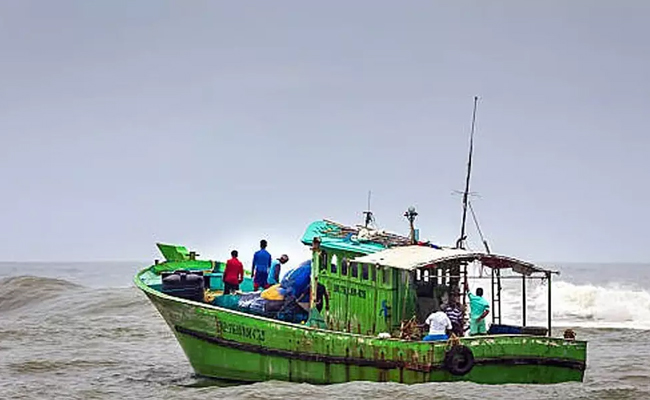
New Delhi (PTI): A group of 345 Indian fishermen, who were stranded in Iran amid escalating regional tensions, returned to India via Armenia on Saturday, officials said.
External Affairs Minister S Jaishankar thanked his Armenian counterpart Ararat Mirzoyan for assistance in return of the Indian nationals.
The Indian nationals arrived in Chennai this evening, the officials cited above said.
The circumstances that led to them being stranded in Iran were not immediately known.
"Thank FM @AraratMirzoyan and the Government of Armenia for facilitating the evacuation of Indian fishermen today from Iran, through Armenia to India," Jaishankar said on social media.
Over 1,500 Indian nationals have left Iran through land border crossings in Armenia and Azerbaijan since the start of the West Asia conflict over a month ago.
"A group of Indian fishermen, stranded in Iran, are returning home via Armenia today; their flight is expected to reach India this evening," a government statement said.
It said the Ministry of External Affairs continues to closely monitor the evolving situation in the West Asian region, with the safety, security and welfare of the Indian community being accorded the highest priority.
It also made a mention of five Indians being injured in Abu Dhabi on Friday.
According to Abu Dhabi authorities, the Indian nationals were among the 12 people injured by debris from an intercepted missile.
"In an attack in Abu Dhabi, five Indian nationals were injured; four have been discharged, one remains under treatment," the Indian government's statement said.
It said the Indian mission in Abu Dhabi is extending "full" assistance and coordinating with local authorities, adding that their flight is expected to reach India this evening.