Lockdown impact; Automotive industry suffered Rs 2,300 cr loss per day, 3.45 lc job loss: Par panel
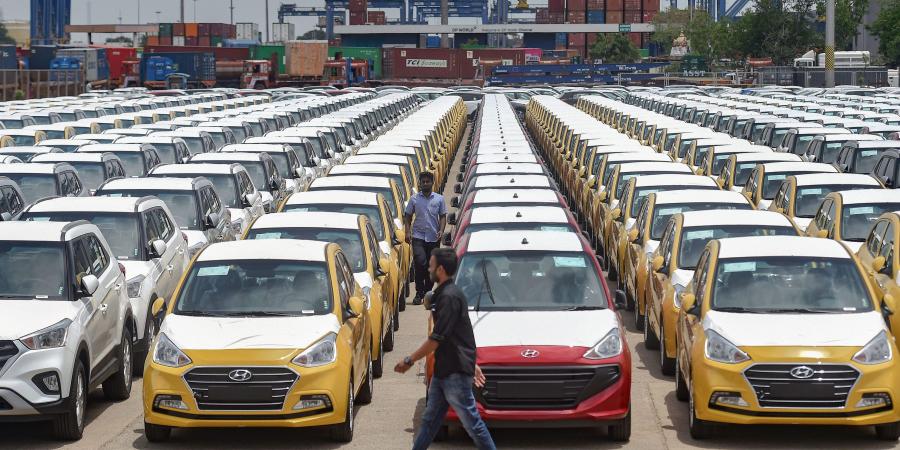
New Delhi, Dec 15: In the wake of the COVID-19 pandemic and subsequent lockdowns, the automotive industry suffered Rs 2,300 loss crore per day and an estimated job loss in the sector was about 3.45 lakh, according to a parliamentary panel report submitted to Rajya Sabha Chairman M Venkaiah Naidu on Tuesday.
The Parliamentary Standing Committee On Commerce, chaired by Telangana Rashtra Samithi (TRS) MP Keshav Rao, has also suggested a slew of measures for attracting investment in the automotive sector in the country, including overhauling of prevalent land and labour laws.
"The committee was informed by the auto industry associations that all the major original equipment manufacturers (OEM) have cut down their production by 18-20 per cent due to low demand and decline in sales of vehicles. As a result, the employment scenario in the automobile sector has been affected and the an estimated job loss in the auto sector at 3.45 lakh," the panel said in its report.
Hiring of manpower has been stopped in the auto industry sector. Besides that, 286 auto dealers have been closed. Further, production cuts in the automobile sector have a percolating negative impact on the component industry adversely affecting the Micro, Small and Medium Enterprises (MSME) engaged in the automobile spare parts manufacturing, the report states.
"As informed by the Automobile Industry Associations, the production stoppage at the automotive OEM and component supplier due to the COVID-19 pandemic and subsequent lockdowns led to a loss of approximately Rs 2,300 crore per day to the automotive sector," according to the report.
The standing committee further said the actual magnitude of the impact depends on the duration of lockdown period, the intensity and extent of spread of the COVID-19 outbreak.
Considering the crisis, it is predicted that the automobile industry is likely to go through at least two consecutive years of severe contraction, leading to low levels of capacity utilisation, lack of future CAPEX investment, high risk of bankruptcy and job losses across the entire automotive value chain, the committee said.
Let the Truth be known. If you read VB and like VB, please be a VB Supporter and Help us deliver the Truth to one and all.
Ordinance issued to increase number of Supreme Court judges from 34 to 38
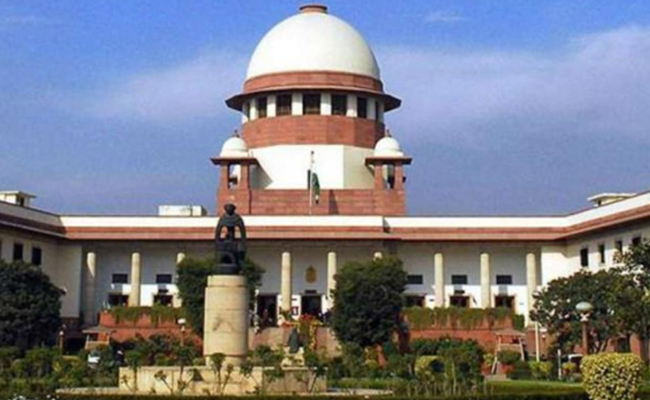
New Delhi (PTI): The government has promulgated an ordinance to increase the strength of the Supreme Court from the present 34 judges to 38, including the Chief Justice of India.
The law ministry notified the ordinance on Saturday, which amended the Supreme Court (Number of Judges) Act, 1956, to increase the sanctioned strength of the top court.
So far, the sanctioned strength of the top court was 34, including the Chief Justice of India (CJI). Now, the number of judges has been increased by four, taking the sanctioned strength to 38.
The top court will now have 37 judges, other than the CJI.
With the apex court having two vacancies at present, and the ordinance coming into force immediately, the Supreme Court Collegium will now have to recommend six names for appointment as judges in the top court.
A bill will be brought in the Monsoon Session of Parliament to convert the ordinance – an executive order – into a law passed by Parliament.
The Union Cabinet had cleared a draft bill on May 5 to increase the number of apex court judges.
The strength of the Supreme Court was last increased from 30 to 33 (excluding the CJI) in 2019.
The Supreme Court (Number of Judges) Act, as originally enacted in 1956, put the maximum number of judges (excluding the CJI) at 10.
This number was increased to 13 by the Supreme Court (Number of Judges), Amendment Act, 1960, and to 17 by another amendment to the law.
The Supreme Court (Number of Judges) Amendment Act, 1986, augmented the strength of judges from 17 to 25, excluding the CJI.
A fresh amendment in 2009 further increased the strength from 25 to 30.
Article 124(3) of the Constitution lists the qualifications required to become a Supreme Court judge.
An Indian citizen who has either served as a high court judge for at least five years, or as an advocate for 10 years, or is a distinguished jurist, can be appointed to the top court.
The strength of the Supreme Court is increased based on the recommendations of the CJI, who writes to the Union law minister. After consulting the finance ministry, the Department of Justice under the law ministry moves the Cabinet with a draft bill.