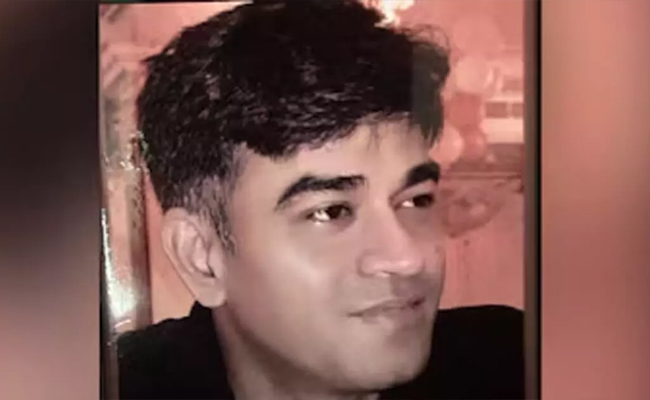
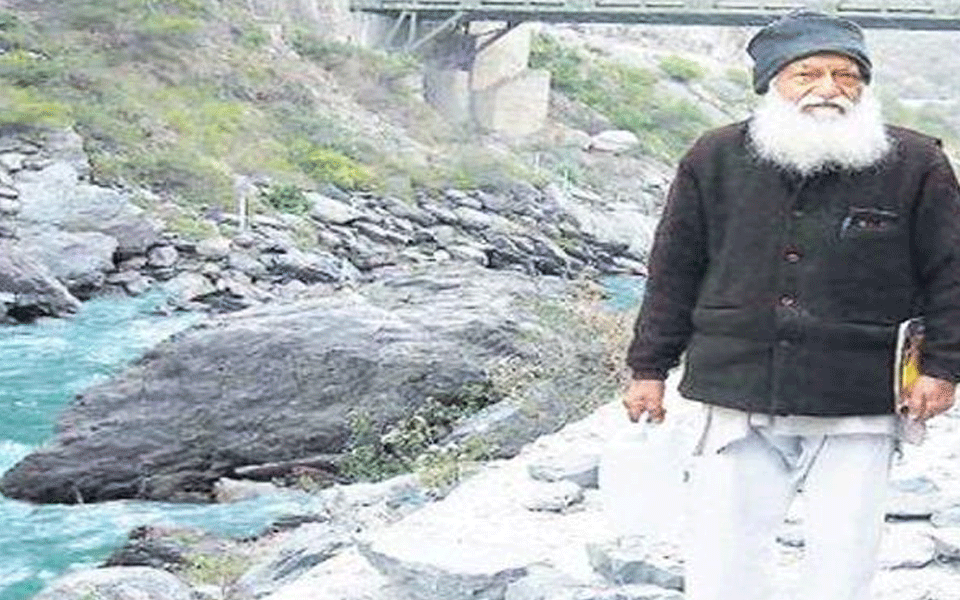
Agarwal sacrificed for Ganga
The comic staging of sweeping the roads on the occasion of 150th commemoration of Gandhi Jayanthi. Modiji pretended to sweep the road himself and tried creating awareness among people.
But something very tragic happened that may have mocked the fasts that Gandhiji undertook as part of his nonviolence movement. G D Agarwal, who was on a fast to save Ganga, died on indefinite fast that he was on, since June 22. His death, in some way, is also an indication of the result that would be, even if Gandhi sat on a fast.
Gandhiji’s movement could succeed with the British since they respected him. He upheld the values of cleanliness and non-violence. But during Modi’s time, fasting has lost its value because the government does not care anymore.
Professor at Kanpur IIT G D Agarwal had dedicated his life for the cause of Ganga river. He changed into Swami Swaroopananda Saraswati after he finished his stint with IIT Kanpur and he had undertaken numerous fasts for the causes he believed in.
As a result of his fast, government had to drop many mega industrial projects it had planned on the banks of Ganga. In the recent times, he had sat on a fast for about 109 days seeking a law to allow uninterrupted flow of Ganga from Gangotri at Uttarakhand to Uttarkashi.
His fast was not politically conniving ones like the politicians do. He had dedication and commitment towards the cause he believed in. His fast did not make as much noise as the fake babas’ events around causes of rivers.
BJP has sought votes in the name of Ganga, stating it is one of the agendas of the party. Crores of money has been released for the cause. Minister Uma Bharti has been giving out many declarations regarding this. Environmentalists have said Ganga water is totally unfit for consumption. Govt should have taken the fast by Swami Swaroopananda with more seriousness since this was a pertinent issue. He had become a thorn in the flesh since he always drew the attention of govt towards something relating to Ganga. The govt probably wished for his end.
Finally, a major interruption to raising money in the name of Ganga has been removed.
By the way, Swami Swaroopananda is not the first one to lose life over Ganga. Swami Nigamananda had fasted to oppose mining around the Ganga water table. The government didn’t budge even when he fasted for 73 days. He was removed from the place forcibly and he died under mysterious conditions in the hospital.
Unfortunately, when Nigamananda staged a genuine fast, Baba Ramdev was staging a fake fast at Ram Leela grounds. Police entered the place and assaulted the fake protestors and Ramdev tried escaping from the place dressed like a woman, but was caught.
Media outlets praised Ramdev and never even turned their focus on Nigamanand’s fast. Nigamananda died in the same hospital where Ramdev feigned ignorance and got admitted.
Mostly as a reparation, Uttarakhand received torrential rainfalls and cities drowned in the deluge. Now Agarwal followed the same path as Nigamananda.
On one hand, human rights activists are arrested in the name of Urban Naxals. The government finds fault with their sympathy towards naxals. Then why do genuine people like Nigamananda and Agarwal die? Why did the government reject their genuine protest and fast? Their movement was very much aligned with government’s focus and plans. Why did the govt that spends thousands of crores on cleanliness drive advertisements and collect cess from people, not find Agarwal’s fight worthy of attention? Why could it not be complete?
The ingenuity of this government towards causes is lying in the open with Agarwal’s death. Modi government can never ignore this blood on its hand.
Let the Truth be known. If you read VB and like VB, please be a VB Supporter and Help us deliver the Truth to one and all.
Sujit Nair raises concerns over speculation of DMK-AIADMK understanding to block TVK
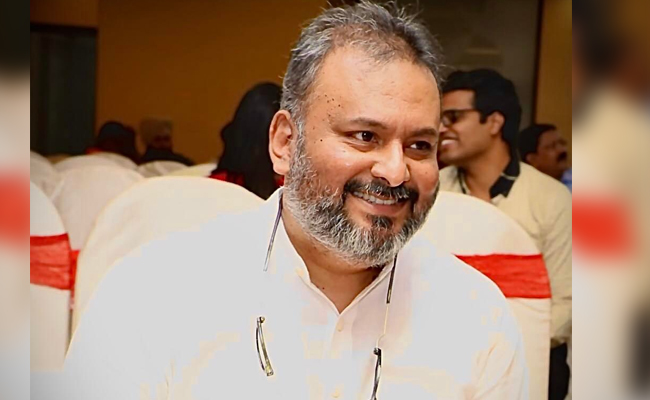
Chennai: Journalist and political commentator Sujit Nair has expressed concern over speculation that the Dravida Munnetra Kazhagam and the All India Anna Dravida Munnetra Kazhagam could explore a post-poll understanding to prevent Vijay-led Tamilaga Vettri Kazhagam from forming the government in Tamil Nadu.
In a social media post, Sujit Nair said the election verdict in Tamil Nadu reflected a clear public demand for political change and argued that the mandate should be respected irrespective of political preferences.
Referring to reports and political discussions surrounding a possible understanding between the DMK and AIADMK, he said he hoped such developments remained only speculative conversations and did not turn into reality.
Nair stated that if such an alliance were to take shape, it would raise serious questions about ideological politics in the country. He said TVK had emerged through a democratic electoral process and that the legitimacy to govern in a parliamentary democracy comes from the people’s verdict.
According to him, attempts to prevent an electoral winner from forming the government through unexpected political arrangements may be constitutionally valid, but many people could view them as politically opportunistic.
He further said that such a move could particularly affect the political image of the DMK, which has historically projected itself around ideology, social justice and opposition politics. Nair said that in ideological terms, the DMK appeared closer to TVK than to the AIADMK, and joining hands with its long-time political rival only to remain in power could weaken its broader political narrative.
He added that the same questions would apply to the AIADMK as well, as the party had spent decades positioning itself against the DMK and such an arrangement could create discomfort among its cadre and supporters.
Drawing a comparison with Maharashtra politics in 2019, Nair said he had expressed similar views when the Shiv Sena formed an alliance with the Indian National Congress and the Nationalist Congress Party after the Assembly elections.
He said post-poll alliances between long-standing political rivals often create a public perception that ideology and electoral mandates become secondary when political power equations come into play.
Nair also said such developments increase public cynicism towards politics and reinforce the belief among voters that ideology is often sidelined after elections.
He maintained that the Tamil Nadu verdict was emphatic and said respecting both the spirit and substance of the mandate was important for the credibility of democratic politics.