Cong has acquired a long term vision now
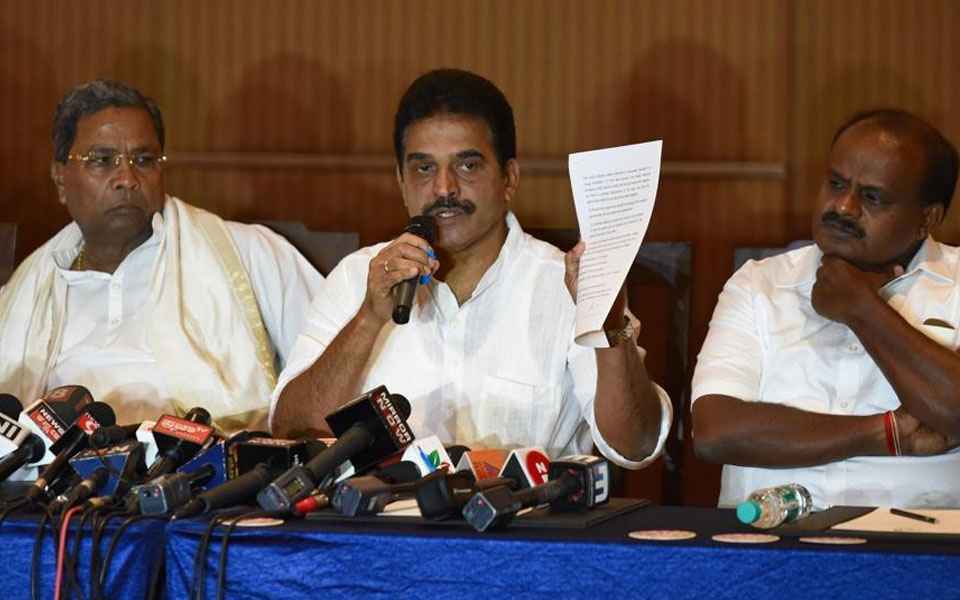
A major point that could have been detrimental for the coalition government has been tackled right away. The question whether Kumaraswamy would remain a full term CM could have been a bone of contention if it was not addressed right now. The fact that this question has been answered without giving much space for it to gain different proportions is not only a surprising move, but also a fact that has brought much solace to the people of the state. It was rather inevitable that Congress with its 78 seats would offer the CM post on a platter to JD(S) with 37 seats. But it was somehow assumed that JD(S) and Congress would share the term of CM equally between themselves. Congress even deserved to have a CM of its own party for half the term. Because people’s mandate is favourably leaning towards Congress and the party has a large vote share too. And JD(S) would have been on a beneficial side with this arrangement. However, former PM Deve Gowda turned the whole situation in the favour of his party. And for the first time perhaps, Congress has faced the reality on a very pragmatic note. The party has set its sights on long term benefits of having to let go of the CM’s post for now.
Congress plans to come back in a big way in 2019 elections, hopefully clinching the PM post for itself. The expectations of Congress in the state went haywire, and this has given them a very uncertain feeling about 2019 elections. The party strategy now needs to be stronger than before to face the elections. Hence Congress is forging alliance with smaller parties at every possible opportunity to pose a challenge to NDA in the upcoming elections. That’s the whole reason behind offering CM’s post to HD Kumaraswamy for full term. If JD(S) and Congress can truck together to face elections in the state, the results can be highly favourable. JD(S) will have to return the favour by catapulting Rahul to the post of PM. If JD(S) has entered into coalition with BJP, Kumaraswamy would have probably lost his life time opportunity to be a full term CM! He would have had to share the seat with Yeddyurappa like it happened last time.
And even that would have been tough since the undercurrents of BJP suggest otherwise. Now JD(S) has the opportunity to have its cake and eat it too. Till last time, JD(S) didn’t hope to clinch big number of seats. The results weren’t even promising. Yet, the fact that it is riding over the party with 78 MLAs is a fact that may create discontentment among the Congress members. Hence, soon after coalition government was formed, there were statements about the term of the current CM wasn’t decided yet. But the Delhi high command concurring and announcing full support for HDK’s full term as CM, hasn’t gone down well among the members of Cong. Time can only answer how this entire decision would play out in Lok Sabha elections. This may weaken Congress and strengthen JD(S)’s presence in the state. Now major portfolios have gone to JD(S). Having suffered through demonetization, JD(S) will definitely find this a major resource to spring back to form. HDK as full term CM can work wonders for the confidence of JD(S) members and the party by the time Lok Sabha elections arrive.
But looks like this is a tentative situation since many Cong members have already expressed doubts on HDK’s full term run, and its impact on Congress in the state. Hence the coalition may continue till 2019 elections and then the fight for CM post may assume full form after the elections depending on how well Congress does.
Some members may even quit the party dissatisfied over HDK being given all the power. Hence the probabilities of 2019 elections has definitely raised curiosity in the state. If the allies like it happened in UP join in, BJP may face a tough challenge. But we have also seen how fast the allies have dissipated into thin air in the country. Rahul Gandhi may be the PM candidate in Congress and other parties may have even more experienced seniors much deserving of the post. Hence, it is not impossible for even HD Devegowda to push Rahul aside and occupy the seat himself. The Congress then would have lost the big and small picture both.
Let the Truth be known. If you read VB and like VB, please be a VB Supporter and Help us deliver the Truth to one and all.
Axar shifts focus to next IPL after KKR all but end DC's campaign
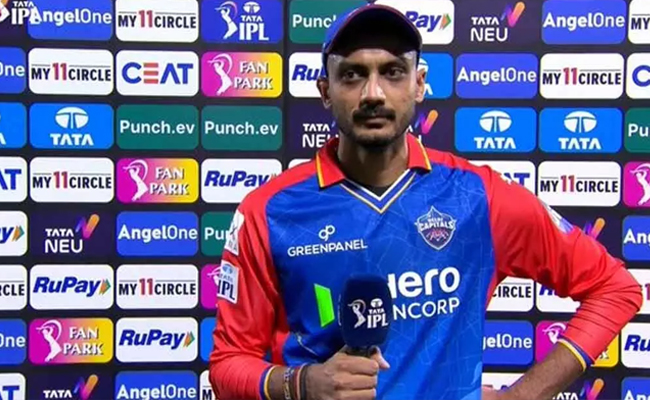
New Delhi (PTI): A beleaguered Axar Patel admitted that both his team's batters and bowlers let the side down after Delhi Capitals suffered a humiliating eight-wicket defeat to Kolkata Knight Riders, virtually ending their IPL 2026 playoff hopes, while indicating the team had already begun looking ahead to the next season.
DC endured a miserable outing at home, managing only 142/8, which Kolkata Knight Riders chased down in just 14.2 overs, powered by a blistering unbeaten 100 from Finn Allen and his destructive stand with Cameron Green (33 not out) as the visitors tore apart the bowling attack.
With just eight points from 11 matches, DC are eighth on the table, while KKR revived their playoff hopes with a resurgent run, moving to seventh with nine points from 10 outings, though their road to the knockouts still remains difficult.
"For now, we'll go back and think about the mistakes we made. After that, obviously there's still a long journey ahead and next year will come too. So we'll think about what plans we can make for next year and what approach we should take," said Axar after the match.
"Based on that, we can also look at the players sitting on the bench and decide who can be given opportunities and what changes we can make," he added, hinting at a possible major overhaul next season.
With 200-plus totals becoming the norm this season, 142 was always going to be inadequate, and Axar admitted the score was well below par while also pointing out at poor judgement shown by the spinners while defending the modest total.
"I think the runs were definitely below par and at the same time the spinners made quite a few mistakes. Looking at the way the pitch behaved, I feel the spinners did make errors.
"At the same time, we lost five wickets in two-three overs, and I think that's where the momentum slipped away from us. That's probably something we need to think about because the same thing happened against CSK...we started well, and then suddenly wickets kept falling," he added.
He admitted the solutions to the issues could be found but players need to show the right mindset and character.
"See, you can't solve it in a complicated way. So, I think it's more about applying the right mindset. Even if you lose one or two wickets, you can still spend time at the crease and play through it. I think that's what needs to be applied, when wickets are falling in clusters, you need to absorb the pressure for an over or two," opined Axar.
KKR skipper Ajinkya Rahane was pleased to see a struggling Finn Allen finally rediscover his touch with the bat.
"I'm really happy for Finn Allen. He was struggling first four or five games, working really hard, but the way he batted tonight was fantastic. But I want to praise our bowlers again.
"We did well because of them. And they've been doing it so well consistently, especially those middle overs and the death overs. Our spinners, Sunil Narine, Varun (Chakravarthy) and Anukul Roy, have been fantastic," he said.
"Fielding-wise, yes, we are working really hard. Our fielding coach has been really strict with us. And that's what has been helping us. The result which you've been seeing about the catches and the ground fielding, credit goes to our fielding coach as well," he added.