Insult to mother Cauvery in the name of statue
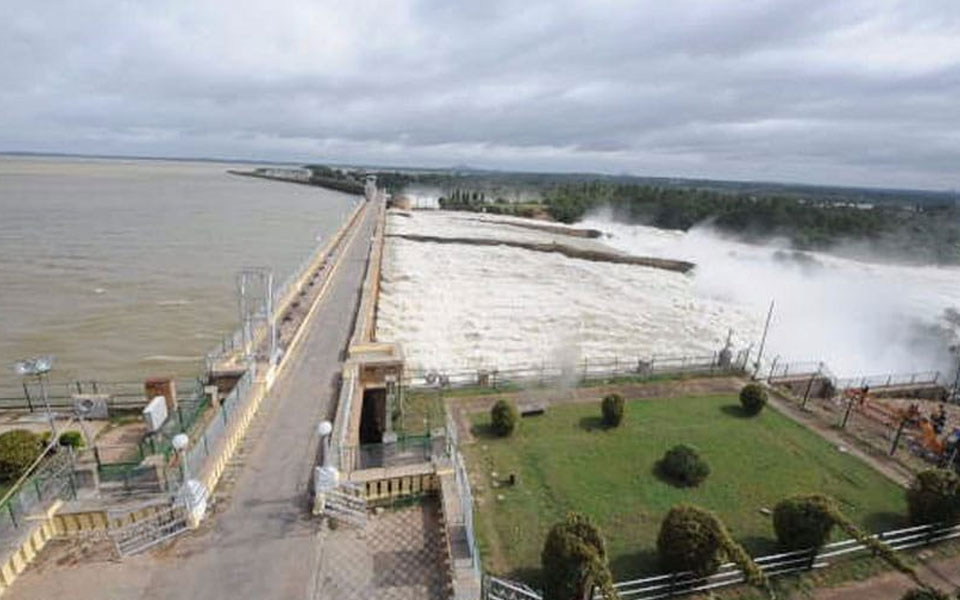
At a time when problems of farmers have reached their pinnacle in the recent times, we have a state government that wants to make a statue of Mother Cauvery. The government claims the intention behind this is to develop tourism. Most of the tourist spaces in the state are languishing without care or maintenance, and the government is planning to set up a new statue! Government needs to remember something. By merely constructing a tallest statue does not make the place a tourism spot. A place of tourist significance needs to have a social, cultural and historical identity. People don’t come to watch Gol Gumbaz, Gommateshwara or any other monument for the reason that they are the tallest or brilliant structures. There are historical and cultural footprints behind these places. People come close to experience them. Right now there are ample tourist places in Karnataka. Those historically and culturally significant places are on the verge of destruction owing to lack of maintenance and excesses of nature.
Karnataka tourism will improve manifold if they are rejuvenated and maintained well. But the state government is following the statue politics and has decided to get into manipulating the emotions of people of the state. The last Congress government had drawn up some pro-poor measures in the satte. People had ridiculed the government and said the tax payers were being cheated when the govt gave rice for Re 1 per kilo to those below poverty line. Similar thoughts had resonated during the opening of Indira canteen. On one hand when the centre was making anti-people economic policies, Siddaramaiah government had ensured the country’s focus is on the state with its pro-poor and pro-people programmes. Even today, the state is a role model to others in such cases. Karnataka’s solar policy that enables self-sufficiency is said to be the best among the Indian states.
Loan waiver had helped the farmers breathe easy. All these had played a major role in the comprehensive development of Karnataka. But, unfortunately, the coalition government seems to have fallen prey to the statue politics started by the BJP govt at the centre which wants to emotionally manipulate people by way of erecting statues in Gujarat, UP and Mumbai. The govt seems to have believed such works will bring it good name. On one hand, the government is receiving aid from other countries such as Britain etc for its developmental works. On the other, the country is using it to erect a Rs 3000 cr statue has turned it into an international mockery in the eyes of the world.
The CM should never forget this loss of image India suffered in the recent times. Experts say the erecting statues never yield better tourism prospects. Thousands of villages have suffered over this statue. Environmental harm is yet to be estimated. Locals have protested against this statue. Now the next such mega project of setting up Shivaji Park is also being met with resistance. What would the govermment’s defense be to the claim that this statue would harm the livelihood of fishermen? How would the country benefit from this? BJP is erecting these statues on the grave of people whom it murdered. Live ones are killed and the country is a safe place for statues to be erected. At times like this, people should be aware that the BJP leaders want to build the country on people’s dead bodies. They need to understand the Karnataka model was the best one to follow. Unfortunately, BJP’s statue politics is dominating the discourse.
If the government has Rs 1500 cr to spend on the state, it should be used to alleviate the pains of farmers in the state or in Cauvery basin. On one hand, Kodagu is still reeling under the effects of flood and lashing rains that left the region damaged and debilitated. Several taluks in north Karnataka are declared ‘drought-stricken’. Sugarcane farmers in Mandya are still awaiting payment for their crops. To respond to the farmers and ending their distress would be a better tribute to mother Cauvery than erecting a statue because she lives in the home and hearts of people who are dependent on her for their livelihoods.
The statue of Cauvery is a massive illusion because she is a river and how can she be given a form? How can the imagery of some random female form benefit the river in its glory? How would this help the farmers? Would this statue ensure their fields get water? If all the forest area around this place is turned into a resort to attract the tourists, thus destroying the green cover help the people or ecology? The government should not splurge the resources meant for the farmers, in the name of statue. It would be a treachery of sorts in the name of farmers of this state. Insulting them would be like insulting mother Cauvery.
Let the Truth be known. If you read VB and like VB, please be a VB Supporter and Help us deliver the Truth to one and all.
Maharashtra sets up state vaccination task force to strengthen immunisation programme

Mumbai (PTI): The Maharashtra government has set up a State Vaccination Task Force to strengthen the regular immunisation programme and review the progress of related campaigns, a health department official said on Monday.
The State Vaccination Task Force will comprise at least 29 members and will be headed by the administrative head of the health department, he informed.
The government has also constituted separate district-level and municipal vaccination task forces to improve implementation and address challenges at the grassroots level, he said.
Municipal task forces, chaired by respective civic commissioners, have been constituted in view of the vast urban population in Maharashtra and the role of civic bodies in implementing different health programmes.
The district-level task forces will function under the chairmanship of collectors.
"Complete immunisation of children at the appropriate age is an extremely simple, cost-effective and highly effective measure to reduce child mortality and the prevalence of diseases among kids. Immunisation is a powerful tool for reducing illness in children," maintained the official.
To ensure full vaccination of all children, the state government implements various campaigns from time to time as per the central government guidelines, he pointed out.
"Active participation and cooperation of other relevant government departments are essential (in making these campaigns successful)," according to the official.
The state-level body will review the regular immunisation programme, associated campaigns and vaccine-preventable diseases in detail. It will also conduct focused assessments of high-risk districts and municipal corporations, including vacancies at district, municipal and sub-district levels, availability of cold chain equipment, resource gaps and training requirements, he noted.
The state task force will review allocation and utilisation of funds for immunisation and ensure timely action by officers concerned based on reports from district and municipal task forces and state-level monitoring mechanisms, the official said.
It will also ensure active coordination and participation of other government departments in immunisation drives, while district and municipal task forces will carry out similar functions at their respective levels, the official added.