"From our homes to their hearts: The new face of elder care"
October 1 marks International Day of Older Persons
In the rich tapestry of Indian existence, the role of elders is an invaluable thread, uniting generations through profound wisdom, cherished traditions, and unwavering love. Today, as India stands at a pivotal demographic juncture, with the elderly transitioning from the shadows to the forefront of family and society, the pressing question we face is not merely “how shall we care for our elders?” but rather, “how can we ensure they receive the steadfast dignity, boundless joy, and comprehensive well-being they rightfully deserve?”
The Moral and Medical Imperative
Growing older is the sole inevitable destiny that all humans face. “The most effective path to discovering yourself is to immerse yourself in serving others,” Mahatma Gandhi famously stated, encouraging us to embrace selfless kindness. India’s cultural legacy once centered on extended families, wherein grandparents served as stabilizing forces amid daily chaos, cherished and attended to as fountains of knowledge. However, with urban development, job-related migrations, and the decline of large family units, the care for the elderly risks being neglected amidst frantic lifestyles and evolving priorities. This moment calls for a revolutionary change—an intersectional strategy where medical, emotional, and social aspects are intricately woven into the fabric of home-based elder care.
Home: The Cherished Sanctuary
By 2050, it is crucial to recognize that India’s elderly population is expected to approach an astounding 300 million, nearly doubling the current statistics. The increase in life expectancy and evolving family dynamics present urgent challenges: chronic illnesses are on the rise, and countless seniors are confronted with isolation or reliance on caregivers who are not family members. The traditional caregiving model is under threat due to mounting economic strains and the transformation of urban living, a significant number of elders now find themselves living separately from their children, lost in the quiet emptiness of their homes.
Home, for seniors, transcends being just a physical location ,it embodies memories, spirit, connection, and a source of solace. The benefits of receiving care at home are numerous:
Decreased risk of infections acquired in hospitals and procedural complications. Maintenance of daily routines, independence, and familiar patterns. Emotional comfort, reduced anxiety, and improved overall wellness. As Khalil Gibran expressed, “Tenderness and kindness are not signs of weakness and despair, but manifestations of strength and resolution.” Establishing homes focused on the elderly is to demonstrate compassion in action.
Medical Excellence at Home: Proactive, Preventive, Comprehensive
Holistic home care for elders means going beyond disease management; it means nourishing quality of life and forestalling crisis.
Chronic Disease Management
Many older Indians are living with diabetes, high blood pressure, arthritis, and heart conditions. Having weekly pill organizers, setting reminder alarms, and involving family members are just as important as regular visits to the doctor. It's really important to carefully manage multiple medications; monitoring blood pressure and glucose levels at home has become the norm.
Allied Health and Technology
With wonderful innovations like portable oxygen concentrators, telemedicine platforms, and digital stethoscopes, our medically complex elders can now enjoy care that was once only available in hospitals. Home nursing, visiting physiotherapists, and wearable health devices have become essential companions they truly are the foundations of aging with dignity.
Preventive Care
Prevention, in its most comprehensive definition, encompasses a range of proactive health measures that can be understood as including, but not limited to, the administration of vaccinations specifically designed to protect individuals from both influenza and pneumonia, the implementation of fall-proofing strategies through meticulous modifications to the living environment, and the critical early identification of any sensory impairments that may arise. When preventive care is thoughtfully integrated into daily routines at home, it has been shown to significantly reduce the frequency of hospital visits, while concurrently alleviating the stress and anxiety that can accompany the need for medical intervention.
Emergent Medical Innovations
The utilization of artificial intelligence for monitoring purposes and remote video consultations facilitates the identification of crises prior to the occurrence of catastrophic events. The essence of technology lies not in the substitution of medical professionals, but rather in enhancing the accessibility and efficacy of familial and communal healthcare.
Understanding Geriatric Syndromes: Hidden Barriers
Older adults often face a variety of challenges known as “geriatric syndromes” such as falls, cognitive decline, urinary incontinence, depression, and sensory impairment. Each fall we can prevent and every moment we can help keep their minds engaged truly enhances their quality of life. It’s so important that we foster open communication, conduct timely screenings, and provide interventions as a standard practice no elder should ever feel alone in their struggles.
Crafting Safe Havens: Environmental Modifications and Emergency Preparedness
An elder-friendly home is designed to meet the needs of older adults, featuring non-slip mats, grab bars, raised toilet seats, and ramps for safety and accessibility. It includes comfortable seating and easy-to-reach storage to promote independence. Emergency plans, accessible contact numbers, and a well-stocked first aid kit are essential for prompt responses to emergencies. These modifications are crucial for enhancing the safety, well-being, and quality of life for elderly residents and their families.
The Heart’s Embrace: Emotional Well-being
Medical management without a sprinkle of emotional warmth feels like just getting by without any happiness. Loneliness can really take a toll on our beloved elders, especially when their children and grandchildren are often busy far away, leaving many of them yearning for those special connections.
Combating Loneliness
Having daily moments for chatting and enjoying meals together can really help elders feel like they belong. Sharing family tales, participating in meaningful traditions, or celebrating their amazing presence can bring back that sense of significance.
Preserving Autonomy and Dignity
As we grow older, it can sometimes feel like independence slips away. It's so important that choices like what to eat, when to take a break, and financial matters include elders as valued decision-makers. Treating our elders merely as passive recipients of care takes away their dignity, and we definitely want to avoid that! Resilience through Engagement Engaging in arts, music, gardening, yoga, and spiritual activities can light up their lives and encourage them to be active. Organized events like elder clubs, prayer gatherings, and craft sessions provide a sense of purpose that goes beyond just getting by.
Mental Health Matters
We must acknowledge and address depression and cognitive decline, as they shouldn't be brushed aside as just normal parts of aging. Having open conversations and seeking professional help even therapy and psychiatric support are truly acts of bravery.
Social Connectivity: Building Bonds Beyond the Family
“None of you truly believes until he loves for his brother what he loves for himself,” said Prophet Mohammed [PBUH]inspiring us to extend the solidarity of care beyond kin, towards every vulnerable elder.
Humans consistently exhibit social characteristics throughout their lifespan. Social interconnectedness plays a crucial role in preserving cognitive and emotional resilience, mitigating feelings of isolation, and reinforcing self-esteem. Family as a Foundation Care for the elderly should not be perceived as an onerous obligation; rather, it should be viewed as an expression of gratitude in practice. The collaborative division of responsibilities among siblings helps to prevent caregiver burnout, enhances familial bonds, and acknowledges the importance of generational reciprocity. Community Support The establishment of elder-friendly neighbourhoods and the creation of inclusive public spaces are of paramount importance features such as benches, ramps, accessible restrooms, and priority service counters embody respect and a sense of belonging. Local community organizations including Resident Welfare Associations, non-governmental organizations, and faith-based groups can facilitate literacy programs, storytelling events, or health initiatives, thereby embedding elders within the broader tapestry of social life.
State and Policy Economic impediments, ranging from healthcare expenses to the cost of assistive devices, are pronounced. Government programs, health insurance schemes, and pension systems are frequently underutilized. It is imperative that public-private collaborations expand initiatives such as subsidized physiotherapy, complimentary cataract surgeries, mobile health clinics, and respite care services should be enhanced. Furthermore, legal safeguards including inheritance rights and anti-neglect legislation require rigorous enforcement to ensure effectiveness.
Caregivers: The Unsung Heroes
Caregivers, whether they are family members or dedicated professionals, carry significant responsibilities: emotional, financial, and physical. They really need: Education in essential nursing skills and emergency response. Regular breaks to recharge, psychological support, and connections with others in similar situations. Effective communication with healthcare providers is essential, as caregivers serve as the vital eyes and ears for the medical teams. Acknowledgment and support can transform caregiving from a burdensome obligation into a rewarding demonstration of love.
Societal Obligation: Building an Elder-Friendly Nation
Home-based elder care is a wonderful blend of personal duty and a heartfelt public mission. The dream of creating an elder-friendly India thrives on teamwork: Families showering care and affection. Healthcare professionals sharing their wisdom and knowledge. Policy-makers crafting supportive laws and broadening coverage. Communities nurturing social connections. Every citizen embracing a spirit of kindness, respect, and appreciation.
Obstacles abound:
The fatigue that caregivers experience, the limited understanding of home-care choices, the financial burden, and the negative perceptions surrounding mental health and aging can be quite overwhelming. It’s so important that we embrace thoughtful changes through awareness campaigns, supportive funding, easy-to-use technology, and enhancing community resources to shape a brighter future for elder care.
A Call to Action: Returning to Our Roots
Indian tradition reveres seva [service] to elders as a spiritual vocation. Our ancient texts honored elders as guardians of wisdom and custodians of culture. The contemporary challenge is to adapt these timeless values into modern frameworks revamping family organization, driving community support, and updating government policies.
The Groundbreaking Vision
Caring for our beloved elderly at home isn't just a societal challenge; it's a lovely reflection of India's true values. It's not only about healthcare, but also about embracing our rich culture. It's rooted in science, yet it touches the very soul. By harmonizing medical, emotional, and social needs, India has the opportunity to set a heartwarming global standard for compassionate elder care. To thrive in this endeavor is to uplift the nation; to stumble is to neglect the heart of society. When our elders enjoy their golden years filled with dignity, love, and comfort, it's not just a win for public health; it's a wonderful celebration of democracy, tradition, and our shared conscience.
Let us heal, serve, and honour the elders beneath our roofs.
From their twilight, let India’s brightest dawn arise.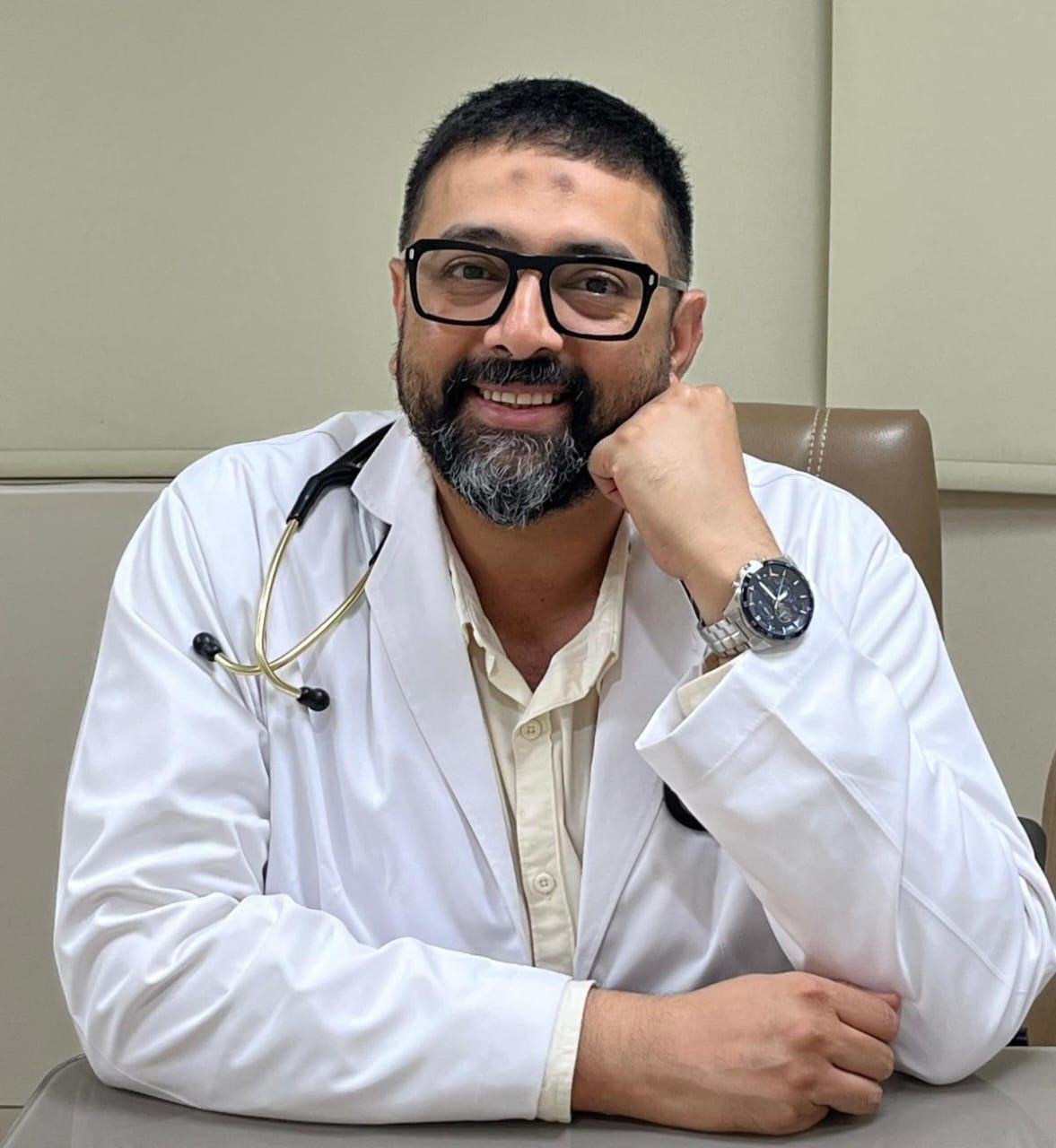
Dr. Haroon H, MD FGSI
Consultant, Department of Internal Medicine,
KMC Hospital, Dr. B. R. Ambedkar Circle, Mangalore – 575001
Department of Internal Medicine, Kasturba Medical College, Mangalore,
Manipal Academy of Higher Education
He is also an Executive Committee Member, Geriatric Society of India
Let the Truth be known. If you read VB and like VB, please be a VB Supporter and Help us deliver the Truth to one and all.
Vijay unable to prove majority, not invited for CM oath ceremony: Sources
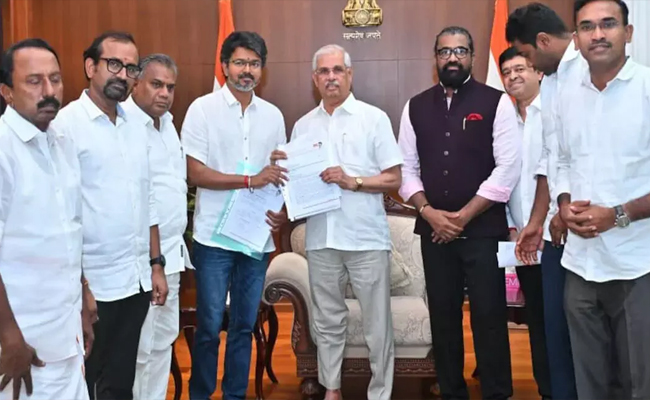
Chennai: Actor-politician Vijay has reportedly not been invited to take oath as Chief Minister of Tamil Nadu after failing to demonstrate support from the required number of MLAs, sources in Raj Bhavan said.
According to media reports that quoted sources in the office of R.N. Ravi Arlekar, Vijay could not prove the backing of 118 legislators, the majority mark in the 234-member Tamil Nadu Assembly.
Despite last-minute efforts to secure support from the Viduthalai Chiruthaigal Katchi (VCK), Amma Makkal Munnetra Kazagam (AMMK), and an IUML legislator, Vijay reportedly managed support from only 116 MLAs, falling short by two members.
Sources said Vijay failed to submit letters of support from the VCK and the Indian Union Muslim League (IUML).
Later, the IUML issued a statement clarifying that it was not part of the TVK-led alliance.
Meanwhile, AMMK leader T.T.V. Dhinakaran is also said to have informed the Governor that his party would support the All India Anna Dravida Munnetra Kazhagam (AIADMK) instead.
Earlier in the evening, Vijay had met Governor Arlekar and staked claim to form the government, stating that he enjoyed the support of 118 MLAs.