Paresh Rawal replies to Akshay Kumar's lawsuit over quitting 'Hera Pheri 3'
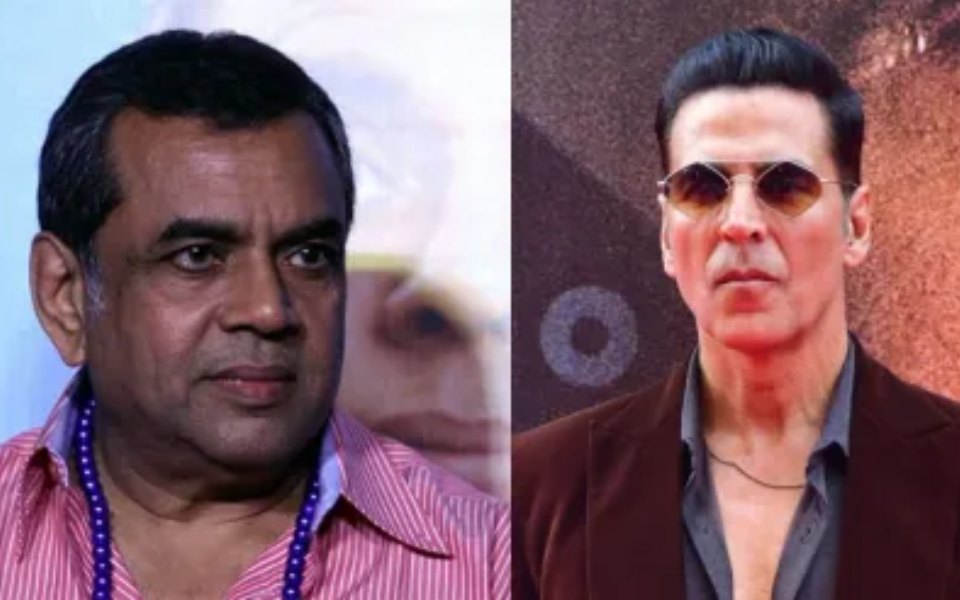
Mumbai, May 25 (PTI): Bollywood veteran Paresh Rawal on Sunday said he has responded to the lawsuit filed by "Hera Pheri" co-star Akshay Kumar over his sudden exit from the franchise's third instalment.
Rawal's sudden departure from the project sent shockwaves in the film industry and among the fans of the franchise who have been waiting for the third part for close to 20 years.
Kumar, who also serves as a producer on "Hera Pheri 3", has sued Rawal, demanding Rs 25 crore in damages.
In a post on X, Rawal broke his silence over the controversy and said his lawyer has responded to the legal suit.
"My lawyer, Ameet Naik, has sent an appropriate response regarding my rightful termination and exit. Once they read my response all issues will be laid to rest," wrote the 69-year-old actor, who essayed the fan-favourite role of Baburao Ganpatrao Apte.
"Hera Pheri 3" was set to reunite the veteran actor with Kumar and Suniel Shetty. Filmmaker Priyadarshan, who directed the original film in 2000, was also slated to return.
A lawyer representing Akshay Kumar's Cape of Good Films recently stated that Rawal's decision to exit the project could lead to "severe legal consequences".
"I think there will be severe legal consequences. It's of course hurt the franchise. We have written to him letting him know that there are a lot of legal consequences involved.
"There have been expenses incurred towards the cast, towards the crew, towards leading senior actors, logistics equipment, shooting of the trailer," Pooja Tidke, Joint Managing Partner of Parinam Law Associate, which represents Kumar's banner, told PTI.
She said Rawal had clearly indicated his involvement in the project through a social media post in January.
"Thereafter there were contracts entered into the shooting for the trailer. In fact, there was some portion of about three-and-a-half-minutes of the film itself that had been shot.
"Suddenly, a few days ago, we received a notice from Paresh ji saying that he is no longer associated with the film and doesn't want to be associated with the film. So it's taken everybody by shock and surprise of course," she said.
Let the Truth be known. If you read VB and like VB, please be a VB Supporter and Help us deliver the Truth to one and all.
Ordinance issued to increase number of Supreme Court judges from 34 to 38
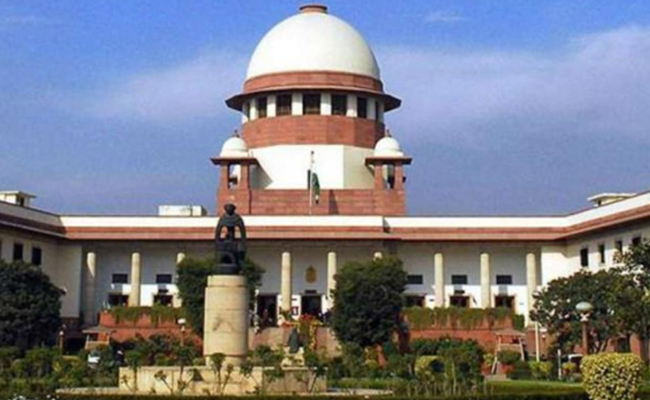
New Delhi (PTI): The government has promulgated an ordinance to increase the strength of the Supreme Court from the present 34 judges to 38, including the Chief Justice of India.
The law ministry notified the ordinance on Saturday, which amended the Supreme Court (Number of Judges) Act, 1956, to increase the sanctioned strength of the top court.
So far, the sanctioned strength of the top court was 34, including the Chief Justice of India (CJI). Now, the number of judges has been increased by four, taking the sanctioned strength to 38.
The top court will now have 37 judges, other than the CJI.
With the apex court having two vacancies at present, and the ordinance coming into force immediately, the Supreme Court Collegium will now have to recommend six names for appointment as judges in the top court.
A bill will be brought in the Monsoon Session of Parliament to convert the ordinance – an executive order – into a law passed by Parliament.
The Union Cabinet had cleared a draft bill on May 5 to increase the number of apex court judges.
The strength of the Supreme Court was last increased from 30 to 33 (excluding the CJI) in 2019.
The Supreme Court (Number of Judges) Act, as originally enacted in 1956, put the maximum number of judges (excluding the CJI) at 10.
This number was increased to 13 by the Supreme Court (Number of Judges), Amendment Act, 1960, and to 17 by another amendment to the law.
The Supreme Court (Number of Judges) Amendment Act, 1986, augmented the strength of judges from 17 to 25, excluding the CJI.
A fresh amendment in 2009 further increased the strength from 25 to 30.
Article 124(3) of the Constitution lists the qualifications required to become a Supreme Court judge.
An Indian citizen who has either served as a high court judge for at least five years, or as an advocate for 10 years, or is a distinguished jurist, can be appointed to the top court.
The strength of the Supreme Court is increased based on the recommendations of the CJI, who writes to the Union law minister. After consulting the finance ministry, the Department of Justice under the law ministry moves the Cabinet with a draft bill.