One week into Ramadan: What to eat at Sehri to stay strong and hydrated through the day

By now, most gym-goers and athletes have settled into the Ramadan routine. Iftar gets most of the attention. But in reality Sehri decides how your entire day will go.
If Sehri is rushed, oily or low on nutrients, the body feels weak by afternoon. Training intensity drops. Headaches and dehydration kick in. On the other hand, a planned Sehri keeps energy stable, reduces muscle breakdown and helps you reach Iftar without crashing.
For those who lift weights, train in MMA, play cricket or run regularly, this is what a strong Sehri should look like.
What your Sehri plate must include:
Sehri is not about eating the heaviest food possible. It is about eating smart slow energy, enough protein and proper hydration.
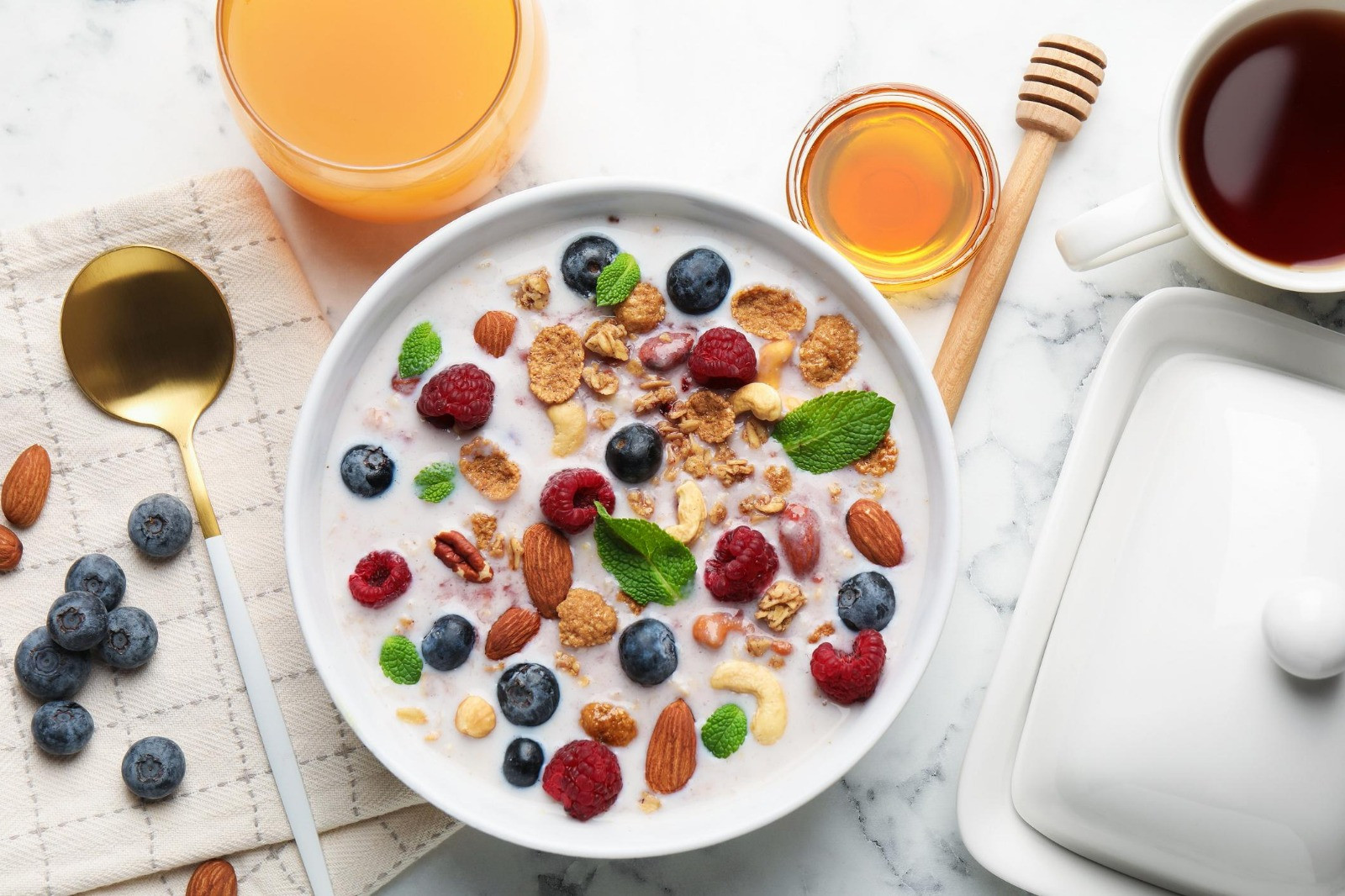
1. Oats with milk and nuts
Oats digest slowly. They release energy gradually and help control hunger. Add milk for protein and a few almonds or peanuts for healthy fats. This combination keeps you full for longer hours.
2. Whole wheat chapati with eggs
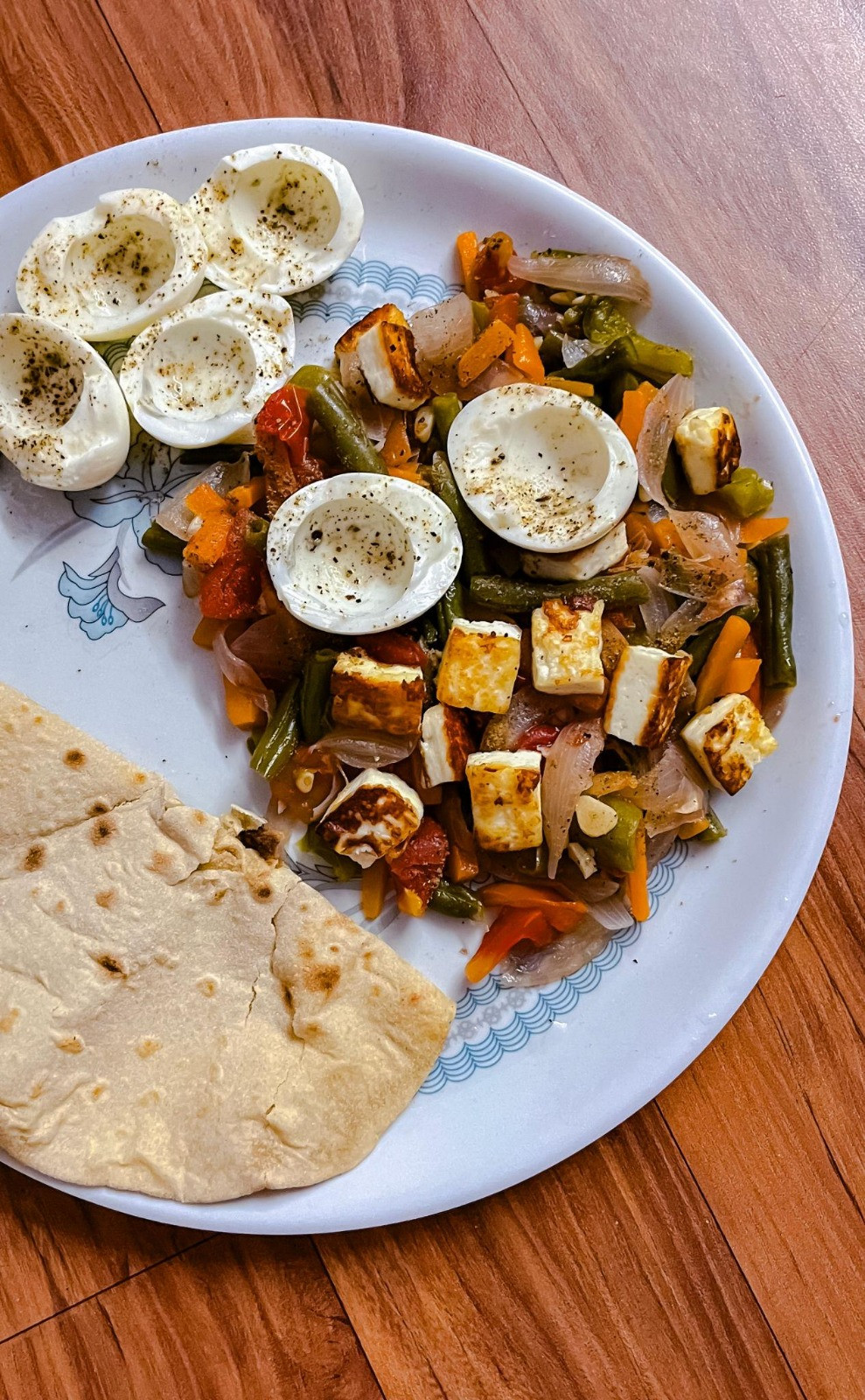
Two chapatis with omelette or boiled eggs give a balance of carbs and protein. Eggs protect muscle mass during long fasting hours. Avoid very oily preparations.
3. Rice kanji with curd
In many homes, kanji is common. It is light but hydrating. Adding curd improves digestion and adds protein. Keep salt moderate.
4. Peanut butter or chutney with whole grain bread
A simple sandwich works if you are short on time. Peanut butter gives healthy fats and some protein. It slows digestion and keeps hunger under control.
5. Banana or apple
A fruit adds fibre and natural sugars. Banana also gives potassium, which supports muscle function.
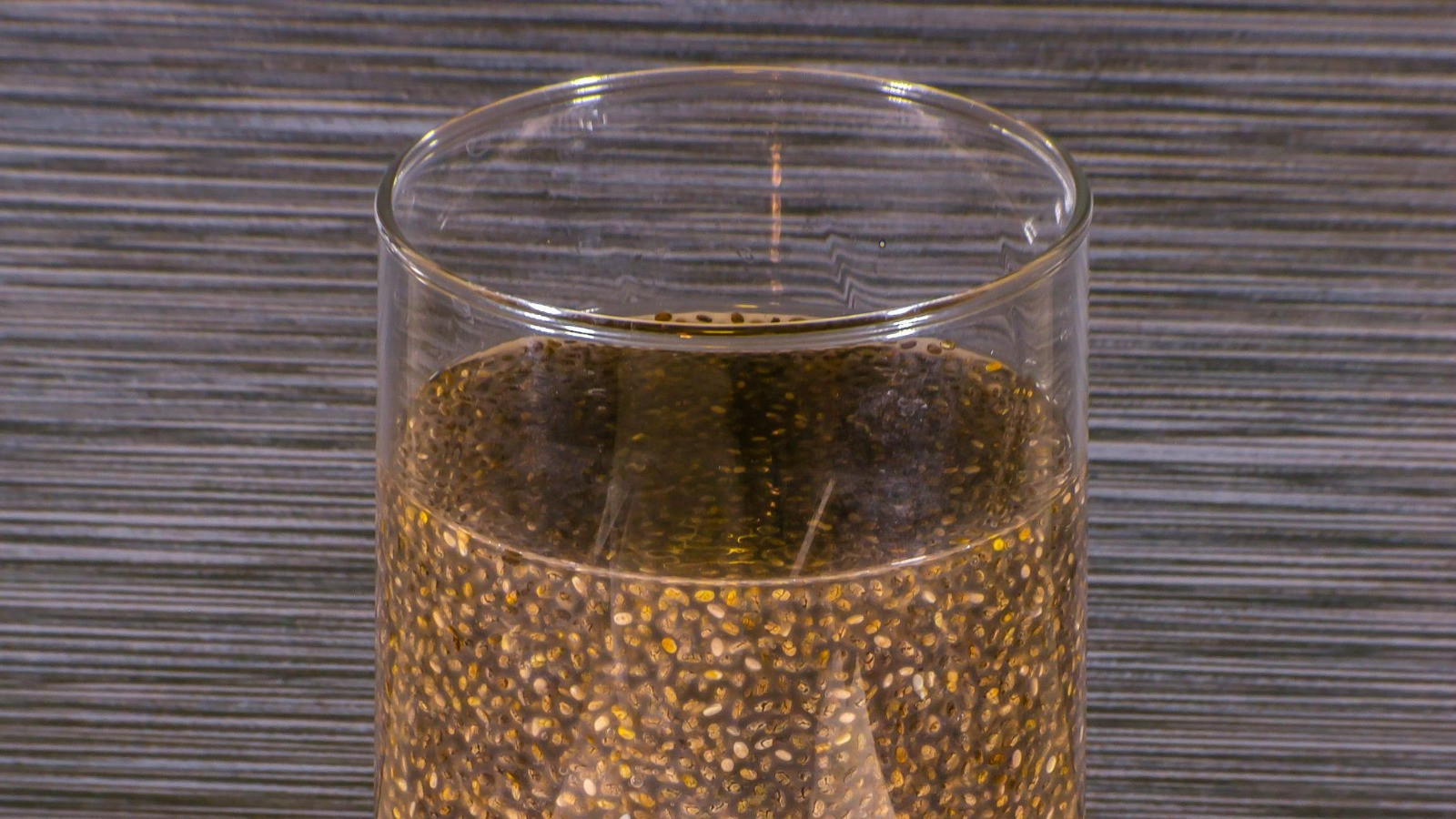
6. Soaked chia seeds in water or milk
Chia seeds absorb water and help in hydration. Even one spoon soaked overnight can support fluid balance.
7. Curd or Greek yogurt
Thicker curd or Greek yogurt has more protein. It also cools the body and supports gut health.
8. Grilled chicken in small portion
If you train intensely and want higher protein, a small portion of grilled chicken with chapati is a strong option. Avoid spicy, oily masala versions early morning.
9. Dal with chapati
Lentils provide plant protein and slow-digesting carbs. This is a steady energy meal.
10. Plenty of fluids
Water should not be an afterthought. Start drinking from the moment you wake up for Sehri. Sip steadily. You can also include buttermilk or tender coconut water.
Foods better avoided at Sehri
Certain foods feel filling but actually worsen dehydration or cause energy crashes.
1. Very salty pickles and packaged snacks
Salt increases thirst during the day.
2. Deep-fried parathas in excess
They sit heavy in the stomach and may cause acidity.
3. Sugary cereals
They spike blood sugar and cause early hunger.
4. Too much tea or coffee
Caffeine increases urine output and can worsen dehydration.
5. Spicy, oily leftovers from dinner
They disturb digestion and may cause discomfort during fasting hours.
6. White bread with jam alone
This is mostly sugar and refined carbs. Hunger returns quickly.
7. Soft drinks
They offer no real hydration benefit.
8. Heavy red meat dishes
They take longer to digest and may cause lethargy.
9. Excess sweets
They add calories without sustained energy.
10. Skipping protein entirely
A carb-only Sehri increases muscle breakdown during long fasting hours.
Hydration strategy for the day
Hydration does not begin at Sehri. It begins the previous evening. From Iftar to Sehri, spread your water intake evenly. Do not drink everything in the last ten minutes before Fajr.
For athletes and MMA trainees who sweat heavily, hydration is even more critical. Include:
* Water in small, steady amounts
* Tender coconut water for electrolytes
* Buttermilk for fluid and gut comfort
* Fruits with high water content like watermelon at night
Avoid going to sleep severely dehydrated. Check urine colour before bed and at Sehri. Pale yellow usually indicates better hydration.
Training timing also matters. Intense workouts are better planned after Iftar. If you must train before Iftar, keep intensity moderate and avoid long, draining sessions.
Sleep should not be ignored. Muscle recovery depends on rest. Even if total hours are less during Ramadan, try to maintain quality sleep.
In simple words, Sehri is your fuel tank for the entire day. A balanced plate, controlled salt, enough protein and proper hydration can help gym-goers and athletes stay steady through fasting hours without compromising performance goals.
Ramadan is about discipline. With the right planning, that same discipline can reflect in fitness too.
Let the Truth be known. If you read VB and like VB, please be a VB Supporter and Help us deliver the Truth to one and all.
HC orders preservation of Sunjay Kapur's assets on plea by Karisma Kapoors' children

New Delhi (PTI): The Delhi High Court on Thursday directed preservation of the assets of late Sunjay Kapur, ruling that all "suspicious circumstances" raised by the industrialist's children from his marriage with actor Karisma Kapoor have to be completely removed by his third wife, Priya Kapur, before the acceptance of his purported last will.
Justice Jyoti Singh passed the interim order on an application filed by Karisma Kapoor's children to restrain Priya Kapur from alienating their father's assets, reportedly worth Rs 30,000 crore.
The interim application was filed in a suit by the children, challenging their late father's purported will of his assets.
"Having heard and on examination of the material on record, I have the considered view that all legitimate suspicious circumstances raised by the plaintiffs will have to be completely removed by defendant number one (Priya Kapur) before the document is accepted as the last will," the judge said.
"Plaintiffs have made out a prima-facie case that the assets which are subject matter need to be protected, preserved, pending disposal of the suit," she added.
Justice Singh ordered that the equity shareholdings in the three Indian companies of the deceased cannot be changed and also restrained the disposal of his personal effects, including artwork.
The court said if the assets are not preserved and Priya Kapur ultimately fails to prove the validity and genuineness of the will, the deceased's children from his marriage with Karisma Kapoor -- his second wife -- and his mother Rani Kapur would be deprived of their legitimate shares.
"I have restrained from alienating, transferring, pledging, liquidating or in any other manner changing the equity shareholdings in the three Indian companies. I have restrained from withdrawing the PF amount. I have restrained from withdrawing monies from the three accounts except to the extent of discharging liabilities towards the children," the judge said.
The court clarified that it has not passed the order with respect to immovable foreign assets.
A detailed copy of the verdict is awaited.
Sunjay Kapur died on June 12, 2025, after collapsing during a polo match in England. He had reportedly suffered a sudden cardiac arrest.