Dr. Thumbay Moideen featured in Entrepreneur Middle East 100 NRI’s of the year
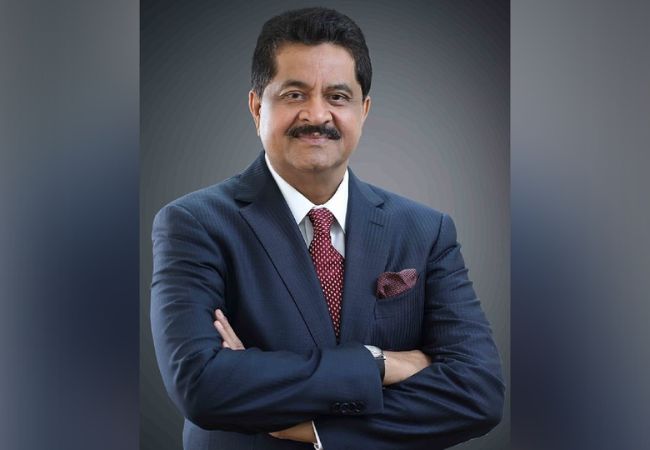
Dubai: Dr. Thumbay Moideen, Founder of Thumbay Group has been featured in this year's “The 100 NRIs by Entrepreneur Middle East.”
The annual feature recognises 100 prominent Non-Resident Indian entrepreneurs from diverse fields. Other notable names on the list include Zakariya Jokatte, Ashish Koshy, Deepak Babani, Pankaj Kundr, Faizal E. Kottikollon, Dr. Vivek Oberoi, and Prashant Goenka.
Dr. Thumbay Moideen, son of the late community leader B. Ahmed Haji Mohiudeen, is a prominent alumnus of St. Aloysius College, Mangaluru. He has earned widespread recognition in the UAE and beyond for his contributions to higher education and healthcare. He is also a recipient of the Karnataka State Rajyotsava Award 2025.
View this post on Instagram
In 1997, Dr. Moideen founded the Thumbay Group, a diversified international conglomerate that has expanded into health education, healthcare services, and medical research. In 1998, he became the first Indian invited by the rulers of Ajman to establish a medical college in the UAE, which has now grown into a university with its own network of hospitals, clinics, medical centers, and pharmacies across the country.
Dr. Moideen’s achievements have been recognised in respected publications, including Forbes Middle East and Arabian Business. He has also received an Honorary Fellowship from the International Medical Sciences Academy (IMSA) and an honorary doctorate from Amity University.
Today, Thumbay Group institutions cater to students and healthcare professionals from over 100 nationalities, contributing to workforce development and research-driven healthcare practices. Dr. Moideen is widely regarded as one of the most influential Non-Resident Indians in the Gulf, a respected voice from the Beary community, and a leading Muslim entrepreneur and educationist.
Over the past decades, he has steered Thumbay Group’s expansion into a multi-sector organisation focusing on academic medicine, research-led healthcare, and global education. His initiatives have created opportunities for thousands of healthcare professionals and students while strengthening healthcare delivery systems and academic collaboration across regions.
Let the Truth be known. If you read VB and like VB, please be a VB Supporter and Help us deliver the Truth to one and all.
Karnataka School Edu Dept prohibits children from being made to dance to obscene songs
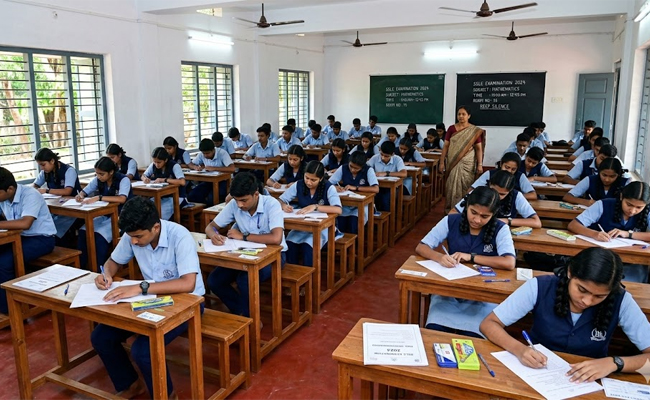
Bengaluru (PTI): The Karnataka School Education Department has issued a circular strictly prohibiting children from being made to dance to obscene songs in educational and cultural programmes.
It stated that such dances would negatively impact students' mental health and moral values. It will create indiscipline and harm the sanctity of education.
"All the Deputy Directors (Administration) of the state's School Education Department have been asked to take strict measures to prevent children or students from dancing to obscene songs in all government, aided and unaided schools in the state," the office of the commissioner of the School Education Department said in a recent circular.
"If it is found that children are being made to dance to obscene songs, appropriate action will be taken against the headmaster or management of such school," it added.
The department also listed certain measures in this regard, which include: strictly prohibiting children from being made to dance to obscene songs during educational and cultural programmes; selecting songs that are inspiring, positive, instilling national pride in children and reflecting the greatness, dignity, values, culture, and morality of the state.
Stating that the school headmaster and management are responsible for selecting songs and dances for cultural programmes, it said, they should also ensure that students wear decent clothes in dance or cultural programmes.