Dubai-based Indian teenager helps recycle 25 tonnes of e-waste
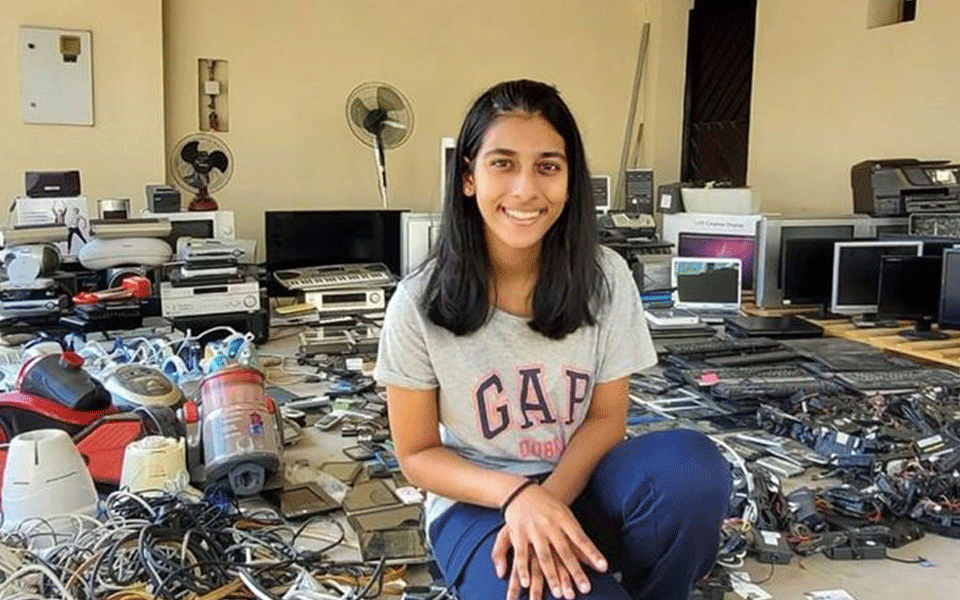
Dubai: A Dubai-based 15-year-old Indian girl has launched a campaign, which helped in the recycling of 25 tonnes of electronic waste in the Gulf nation, according to a media report on Friday.
Riva Tulpule, a student of grade 10, got the idea to start the campaign while clearing out drawers filled with broken devices in 2016, the Gulf News reported.
While shifting to a new house a few years ago, Tulpule found lots of disused electronics while helping her mom clear out drawers. This sparked the beginning of her campaign WeCareDXB' that she said has collected over 25 tonnes of e-waste for recycling in over four years, the report said.
"I had asked my mom why we can't we just dispose the items we don't need. She told me they need to be tacked in a special way but we were not sure exactly how to go about it. So that made me curious and I decided to do some research into it, which led me to this cause," Tulpule was quoted as saying by the report.
She said many people just dump old devices and appliances in the general waste as they are not aware of the options for recycling them.
Raising awareness through social media and word of mouth, WeCareDXB has enlisted volunteers students, professionals, the general public to collect the items for recycling e-waste.
Tulpule, a student of GEMS Modern Academy, got in touch with Dubai-based EnviroServe, an electronics recycler and processor, to hand over the collected items.
In December last, she held her latest collection round, rallying friends and the wider community to drop off over 2,000 broken laptops, tabs, mobile phones, printers, keyboards and other items. Over 60 students from 15 schools had signed up for the 10-day campaign.
Let the Truth be known. If you read VB and like VB, please be a VB Supporter and Help us deliver the Truth to one and all.
Gujarat builds 870 MW battery power backup network to stabilise renewable energy grid
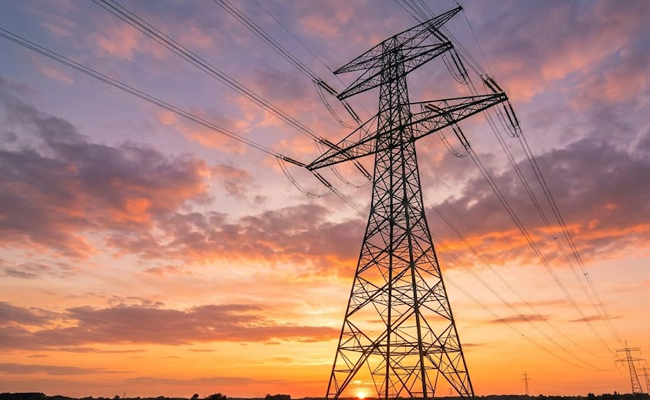
Gandhinagar (PTI): Gujarat has initiated battery storage systems at five locations in the state, with a total capacity of 870 MW, to maintain the stability of the renewable power grid, officials said on Saturday.
Battery Energy Storage Systems (BESS) are essential for storing electricity generated from solar and other renewable sources. They help manage additional load and maintain grid stability.
“Gujarat has initiated battery storage systems at five locations with a total capacity of 870 MW,” an official release stated.
The state has also registered 13 projects across Ahmedabad, Gandhinagar, Banaskantha, Patan and Kutch districts to set up additional battery storage systems, it said.
Modhera in Gujarat, India’s first solar village, has launched the country’s first BESS integrated with a solar power plant, it said.
"Under the leadership of Chief Minister Bhupendra Patel, the state has continued to advance in this direction and has strengthened its position among the leading states driving battery storage systems in India,” the release said.
Recently, a battery storage system was commissioned at Charal in the Sanand taluka of Ahmedabad, it said.
Four systems are operational at Modhera in Mehsana and Lakhpat in Kutch. The state government has also included advanced energy storage systems as a key component in the Gujarat Integrated Renewable Energy Policy, 2025, the release said.
Accordingly, standalone battery storage projects, works linked with new renewable energy installations, and those integrated with existing renewable energy systems are being approved, it said.
Once the Standard Operating Procedure is approved, registrations for battery storage will open for commercial and industrial users, it said, adding that the move will allow them to set up battery storage alongside their solar or wind projects.
The state government is developing battery storage systems across Gujarat, with companies being invited in through a competitive bidding process.
GETCO (Gujarat Energy Transmission Corporation) and power distribution companies strategically identify locations for battery storage systems based on grid capacity and operational requirements, the release said.
Power generation from solar and other renewable sources fluctuates throughout the day. Excess energy generated during peak hours can be stored and supplied later during periods of high demand, especially in the evening when solar output declines. Battery storage systems help reduce stress on the grid and improve grid stability, it added.