Saudi Arabia abolishes flogging

Riyadh: Saudi Arabia has abolished flogging as a punishment, the supreme court announced, hailing the latest in a series of "human rights advances" made by the king and his powerful son.
Court-ordered floggings in Saudi Arabia -- sometimes extending to hundreds of lashes -- have long drawn condemnation from human rights groups.
But they say the headline legal reforms overseen by Crown Prince Mohammed bin Salman have brought no let-up in the conservative Islamic kingdom's crushing of dissent, including through the use of the death penalty.
The Saudi supreme court said the latest reform was intended to "bring the kingdom into line with international human rights norms against corporal punishment".
Previously the courts could order the flogging of convicts found guilty of offences ranging from extramarital sex and breach of the peace to murder.
In future, judges will have to choose between fines and/or jail sentences, or non-custodial alternatives like community service, the court said in a statement seen by AFP on Saturday.
The most high-profile instance of flogging in recent years was the case of Saudi blogger Raif Badawi who was sentenced to 10 years in prison and 1,000 lashes in 2014 for "insulting" Islam. He was awarded the European parliament's Sakharov human rights prize the following year.
The abolition of corporal punishment in Saudi Arabia comes just days after the kingdom's human rights record was again in the spotlight following news of the death from a stroke in custody of leading activist Abullah al-Hamid, 69.
Hamid was a founding member of the Saudi Civil and Political Rights Association (ACPRA) and was sentenced to 11 years in jail in March 2013, campaigners said.
He was convicted on multiple charges, including "breaking allegiance" to the Saudi ruler, "inciting disorder" and seeking to disrupt state security, Amnesty International said.
Criticism of Saudi Arabia's human rights record has grown since King Salman named his son Prince Mohammed crown prince and heir to the throne in June 2017.
The October 2018 murder of vocal critic Jamal Khashoggi inside the Saudi consulate in Istanbul and the increased repression of dissidents at home have overshadowed the prince's pledge to modernise the economy and society.
Let the Truth be known. If you read VB and like VB, please be a VB Supporter and Help us deliver the Truth to one and all.
Defamatory post against Dharmasthala Veerendra Heggade: Case registered against Girish Mattannavar
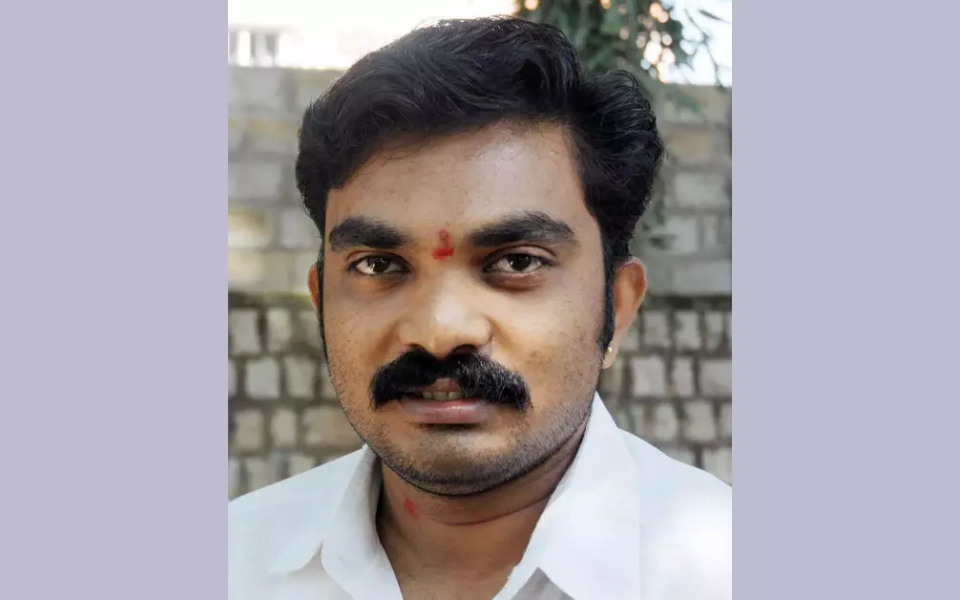
Belthangady: A case has been registered at Dharmasthala police station against Girish Mattannavar over a complaint regarding alleged defamatory posts on social media against Dr. D. Veerendra Heggade, Dharmadhikari of Sri Kshetra Dharmasthala.
The complaint was filed by Subrahmanya Prasad, a resident of Dharmasthala.
The complainant stated that Mattannavar posted content on Instagram making allegations against Dr. Heggade and allegedly affecting his reputation.
Based on the complaint, a case was registered under Section 353(2) of the Bharatiya Nyaya Sanhita (BNS), which is related to spreading false information, rumours, or alarming news, on April 18, and the investigation is in progress.
Following information about Mattannavar’s appearance at the SIT office on May 7, a police officer from Dharmasthala police station issued a notice directing him to appear at the station within a week.