UAE grants 10-yr golden residency visa to more professionals
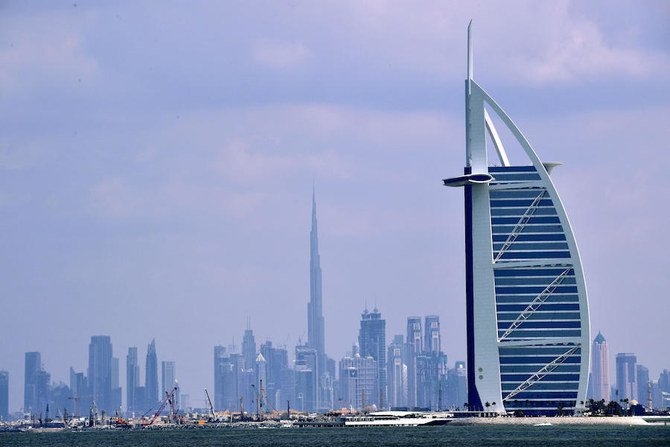
Dubai: The UAE on Sunday approved the issuance of a 10-year golden visa for more professionals, including PhD holders, physicians, engineers as well as graduates from certain universities, in a bid to keep the talented people and great minds in the Gulf country and help in nation-building.
Vice President, Prime Minister and Ruler of Dubai Sheikh Mohammed bin Rashid Al Maktoum made the major announcement in a series of tweets.
Brothers and sisters, we approved today a decision to grant the 10-year golden visa to residents in the following categories: all PHD holders, all physicians, engineers in the fields of computer engineering, electronics, programming, electricity and biotechnology, graduates from UAE accredited universities who scored Grade Point Average, GPA, of 3.8 and above, he said in a tweet.
The golden visa will also be granted to holders of specialized degrees in artificial intelligence, big data, or epidemiology and virology in addition to the UAE high school top graduates along with their families, the Gulf News reported.
This is the first batch and it will be followed by other categories. We want talented people and great minds to stay in the UAE and join us in the process of development and achievements, Sheikh Mohammed tweeted.
The decision, which was approved by the UAE Cabinet, aims to attract and retain experts and talented professionals from various fields and scientific disciplines, the report said.
The changes will take place from December 1, 2020.
In addition to the dynamic lifestyle and safety that are considered main characteristics of life in the UAE, Golden Residency holders and their families will be offered a 10-year residency visa.
The new Golden Residency categories expand the program to further encourage innovation, creativity, and applied research, adding to the appeal of a career in the Emirates for the world's brightest minds, the report added.
Let the Truth be known. If you read VB and like VB, please be a VB Supporter and Help us deliver the Truth to one and all.
Gujarat builds 870 MW battery power backup network to stabilise renewable energy grid
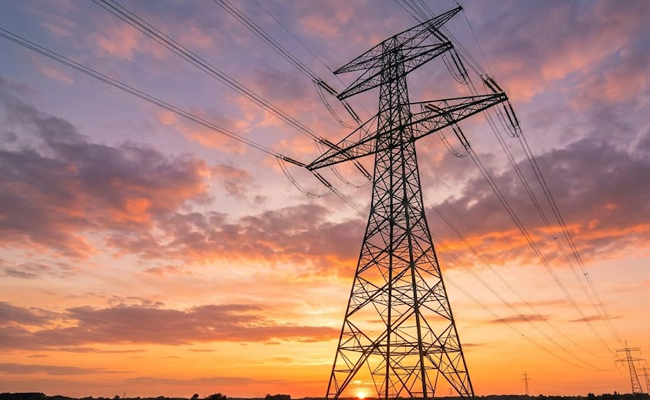
Gandhinagar (PTI): Gujarat has initiated battery storage systems at five locations in the state, with a total capacity of 870 MW, to maintain the stability of the renewable power grid, officials said on Saturday.
Battery Energy Storage Systems (BESS) are essential for storing electricity generated from solar and other renewable sources. They help manage additional load and maintain grid stability.
“Gujarat has initiated battery storage systems at five locations with a total capacity of 870 MW,” an official release stated.
The state has also registered 13 projects across Ahmedabad, Gandhinagar, Banaskantha, Patan and Kutch districts to set up additional battery storage systems, it said.
Modhera in Gujarat, India’s first solar village, has launched the country’s first BESS integrated with a solar power plant, it said.
"Under the leadership of Chief Minister Bhupendra Patel, the state has continued to advance in this direction and has strengthened its position among the leading states driving battery storage systems in India,” the release said.
Recently, a battery storage system was commissioned at Charal in the Sanand taluka of Ahmedabad, it said.
Four systems are operational at Modhera in Mehsana and Lakhpat in Kutch. The state government has also included advanced energy storage systems as a key component in the Gujarat Integrated Renewable Energy Policy, 2025, the release said.
Accordingly, standalone battery storage projects, works linked with new renewable energy installations, and those integrated with existing renewable energy systems are being approved, it said.
Once the Standard Operating Procedure is approved, registrations for battery storage will open for commercial and industrial users, it said, adding that the move will allow them to set up battery storage alongside their solar or wind projects.
The state government is developing battery storage systems across Gujarat, with companies being invited in through a competitive bidding process.
GETCO (Gujarat Energy Transmission Corporation) and power distribution companies strategically identify locations for battery storage systems based on grid capacity and operational requirements, the release said.
Power generation from solar and other renewable sources fluctuates throughout the day. Excess energy generated during peak hours can be stored and supplied later during periods of high demand, especially in the evening when solar output declines. Battery storage systems help reduce stress on the grid and improve grid stability, it added.