With Saudi's new travel restrictions, stranded Indians in UAE awaits relief from their plights
Dubai: Awaiting relief from the government and authorities of India and Saudi Arabia, hundreds of Indians are stranded in Dubai after Saudi Arabia announced a temporary ban on non-citizens’ entry into the kingdom from 20 foreign countries.
Saudi Arabia announced the restriction after the kingdom witnessed a surge in the number of COVID-19 cases. Saudi-bound Indians who were eager to finish their 14-day quarantine in Dubai in order to enter the country are now hit by uncertainty due to the sudden ban.
The passengers had arrived in UAE after the restrictions imposed by Saudi stated foreigners can't enter until they undergo a 14-day quarantine in any of the neighboring countries like UAE, Bahrain, Oman, Kuwait, etc.
Ever since the imposition of the restriction, passengers are left high and dry in UAE with neither the Indian nor Saudi government authorities paying heed to their hues and cries. Most of the passengers who fall into the ‘blue-collar employees’ are now running out of finances and resources to afford an extended stay in Dubai.
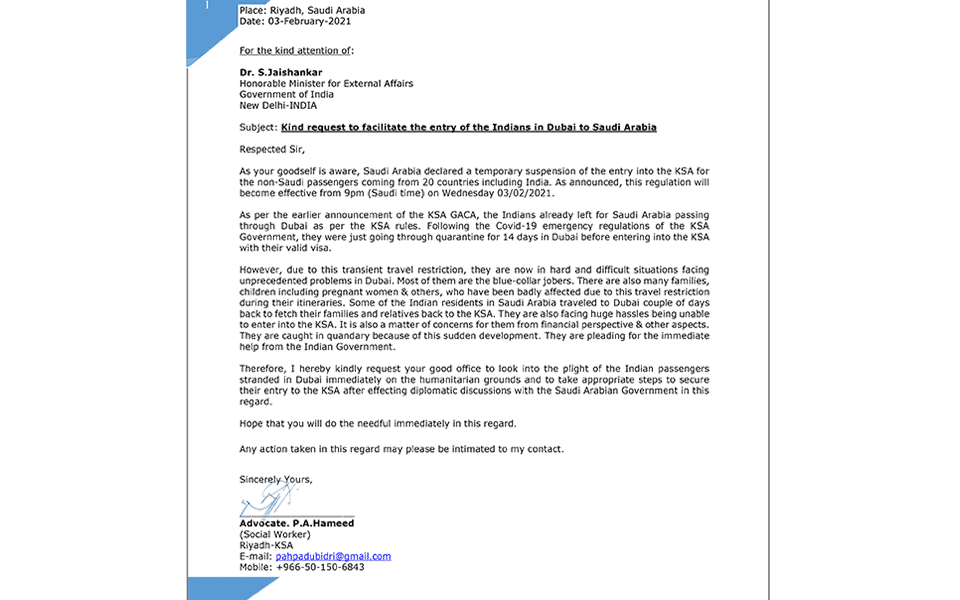
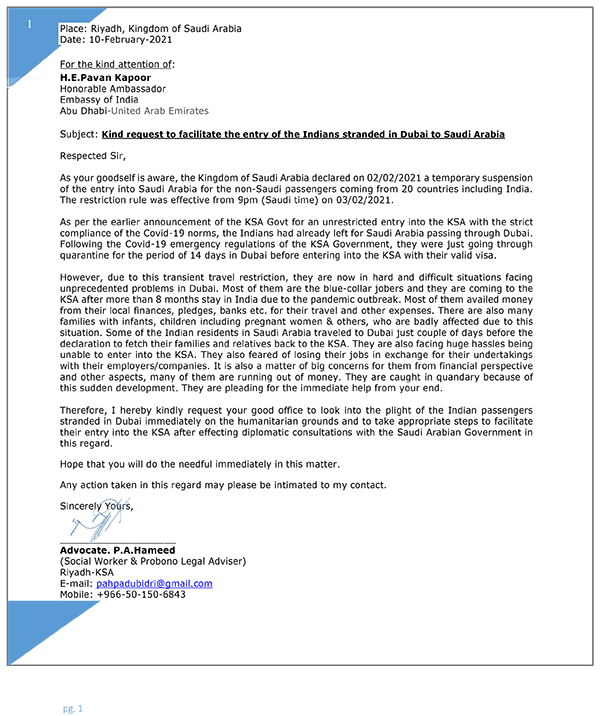
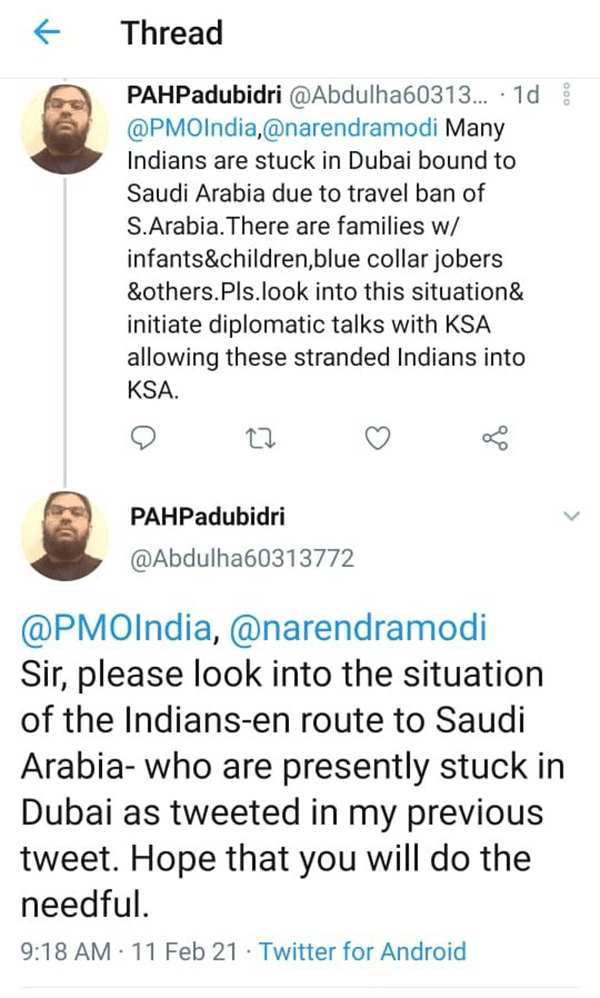
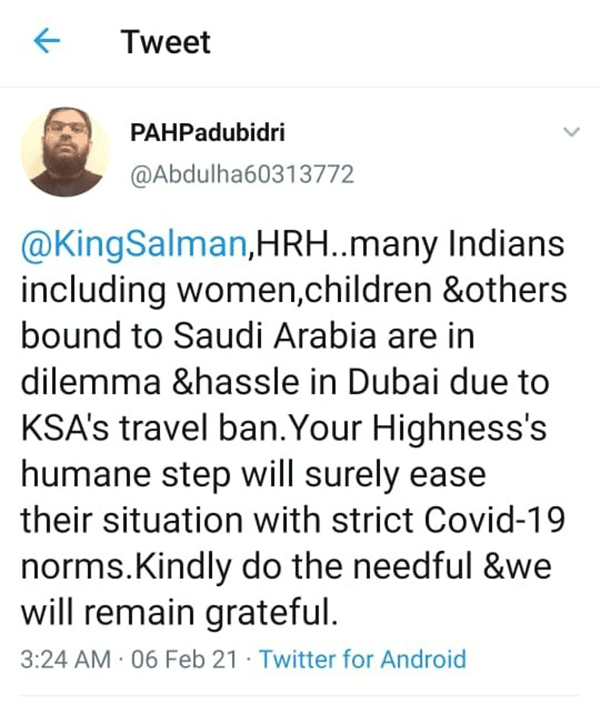
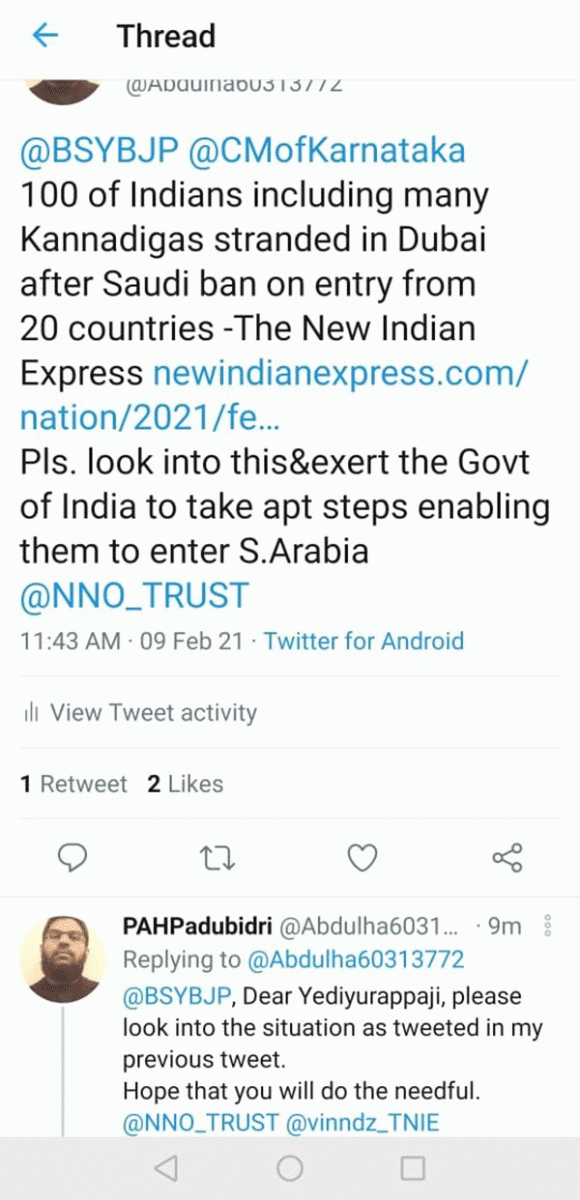
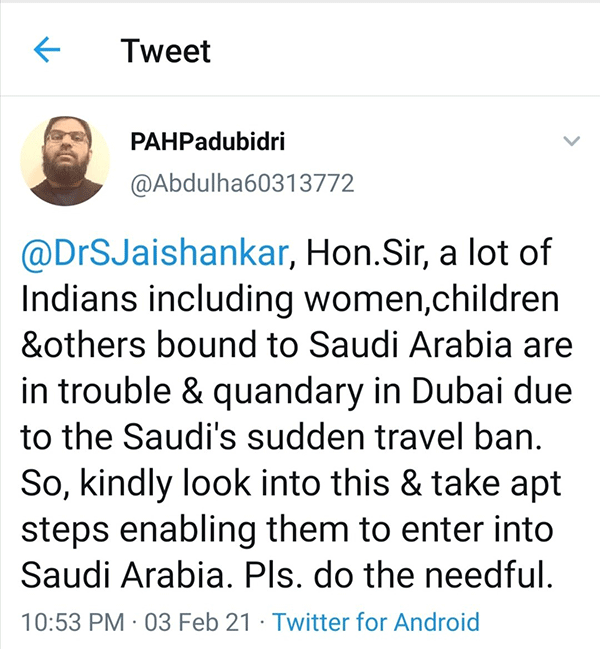
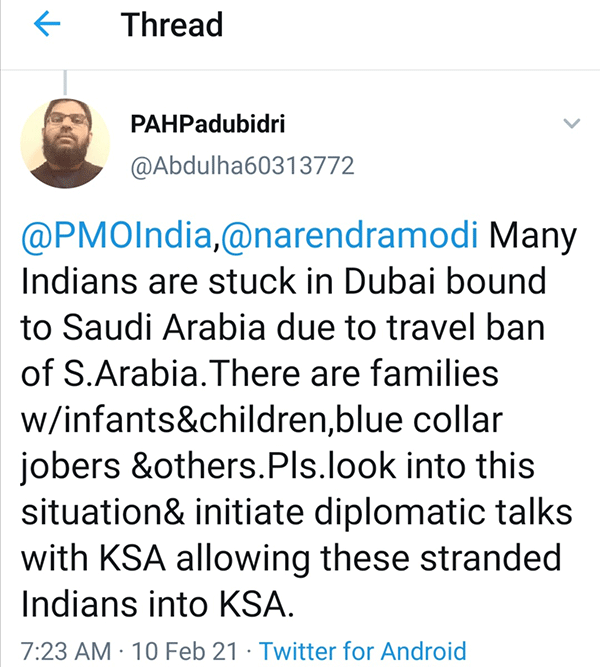
PA Hameed, an advocate and social worker in Riyadh, has written a letter to External Affairs Minister S Jaishankar seeking his intervention and has also tagged Prime Minister Narendra Modi in multiple tweets to bring the issue to his notice.
The letter says those stranded include families, children, and pregnant women. "Some Indian residents in Saudi Arabia who traveled to Dubai a couple of days back to fetch their families and relatives are also stranded due to the sudden development. All of them are in a hapless situation and are pleading for immediate help from the Indian government," it said.
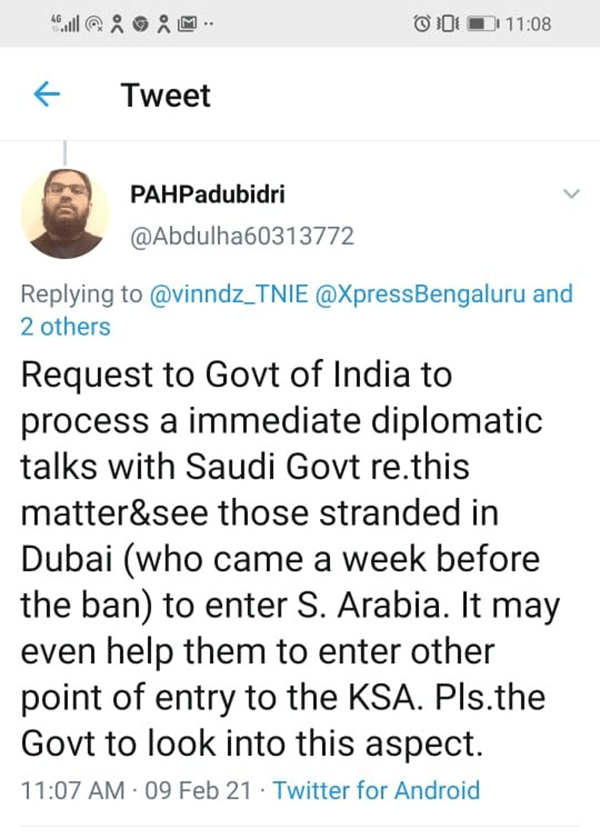
Recently, both Indian Embassies in UAE & Saudi Arabia issued an advisory to the people stranded in Dubai to return back to India. Hameed said the move was unexpected and unusual, asking people to go back to India is the last thing the government should be doing. The embassy should try and come with a plan and diplomatic dialogue insisting the Saudi authorities to allow these stranded Indians into the kingdom.
“"I request the Government of India & other concerned authorities to look into this issue immediately & to facilitate them to be landed in Saudi Arabia by effecting diplomatic consultations with the Saudi Arabian Government in this regard,” he said.
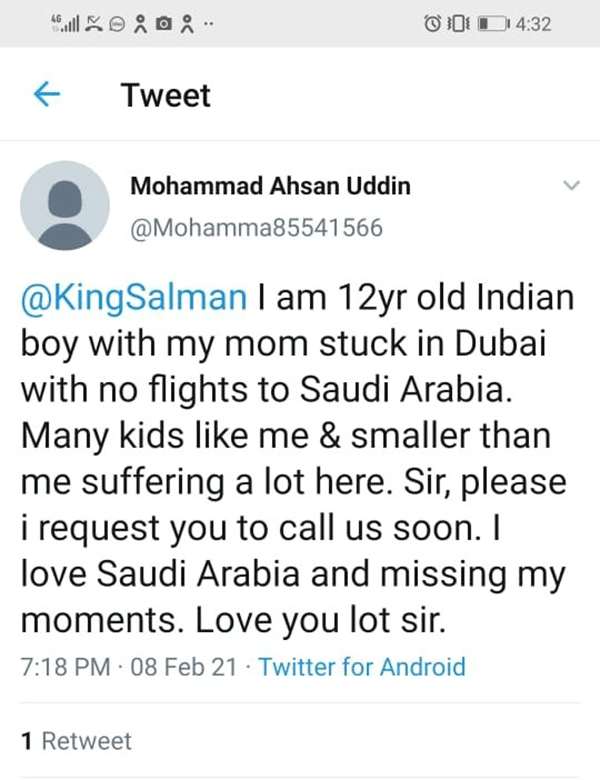
Several passengers who are stranded in UAE have called for help adding that they have run out of money for an extended stay. Many of them have also added that they had to resort to taking loans to facilitate their journey to Saudi Arabia via Dubai for quarantine and now they’re left with uncertainty as there is no guarantee when Saudi will lift the temporary ban.
“We can only hope that the Indian government bails us out from the crisis” one of the stranded passengers Sufyan who hails from Mangaluru said.

Let the Truth be known. If you read VB and like VB, please be a VB Supporter and Help us deliver the Truth to one and all.
TVK chief Vijay appointed Tamil Nadu CM, to be sworn-in on May 10
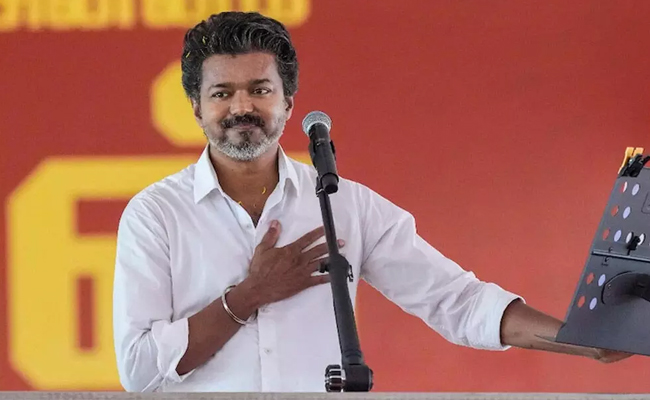
Chennai (PTI): Governor Rajendra Vishwanath Arlekar on Saturday appointed TVK chief C Joseph Vijay as Chief Minister of Tamil Nadu and and the leader will take oath on Sunday, the Lok Bhavan said.
The swearing-in of the Vijay-led ministry will be held on Sunday at 10 am here at Nehru Stadium.
Vijay was appointed CM after he presented letters of support from the VCK and the IUML who have two MLAs each. The governor held talks for about an hour over the requisite support.
According to a Lok Bhavan press release, Vijay was appointed the chief minister by Governor Arlekar as per the provisions of the Constitution. The governor also invited Vijay to form ministry.
Further, Arlekar asked Vijay to seek the vote of confidence on or before May 13.
The TVK chief met the governor along with Congress top leader K Selvaperunthagai and leaders of supporting parties including the CPI(M) State Secretary P Shanmugam.
Taking into account support from VCK and IUML, who have 2 seats each, the TVK's seat tally has now touched 120 in the 234-member Assembly.