
One week into Ramadan: What to eat at Sehri to stay strong and hydrated through the day

By now, most gym-goers and athletes have settled into the Ramadan routine. Iftar gets most of the attention. But in reality Sehri decides how your entire day will go.
If Sehri is rushed, oily or low on nutrients, the body feels weak by afternoon. Training intensity drops. Headaches and dehydration kick in. On the other hand, a planned Sehri keeps energy stable, reduces muscle breakdown and helps you reach Iftar without crashing.
For those who lift weights, train in MMA, play cricket or run regularly, this is what a strong Sehri should look like.
What your Sehri plate must include:
Sehri is not about eating the heaviest food possible. It is about eating smart slow energy, enough protein and proper hydration.
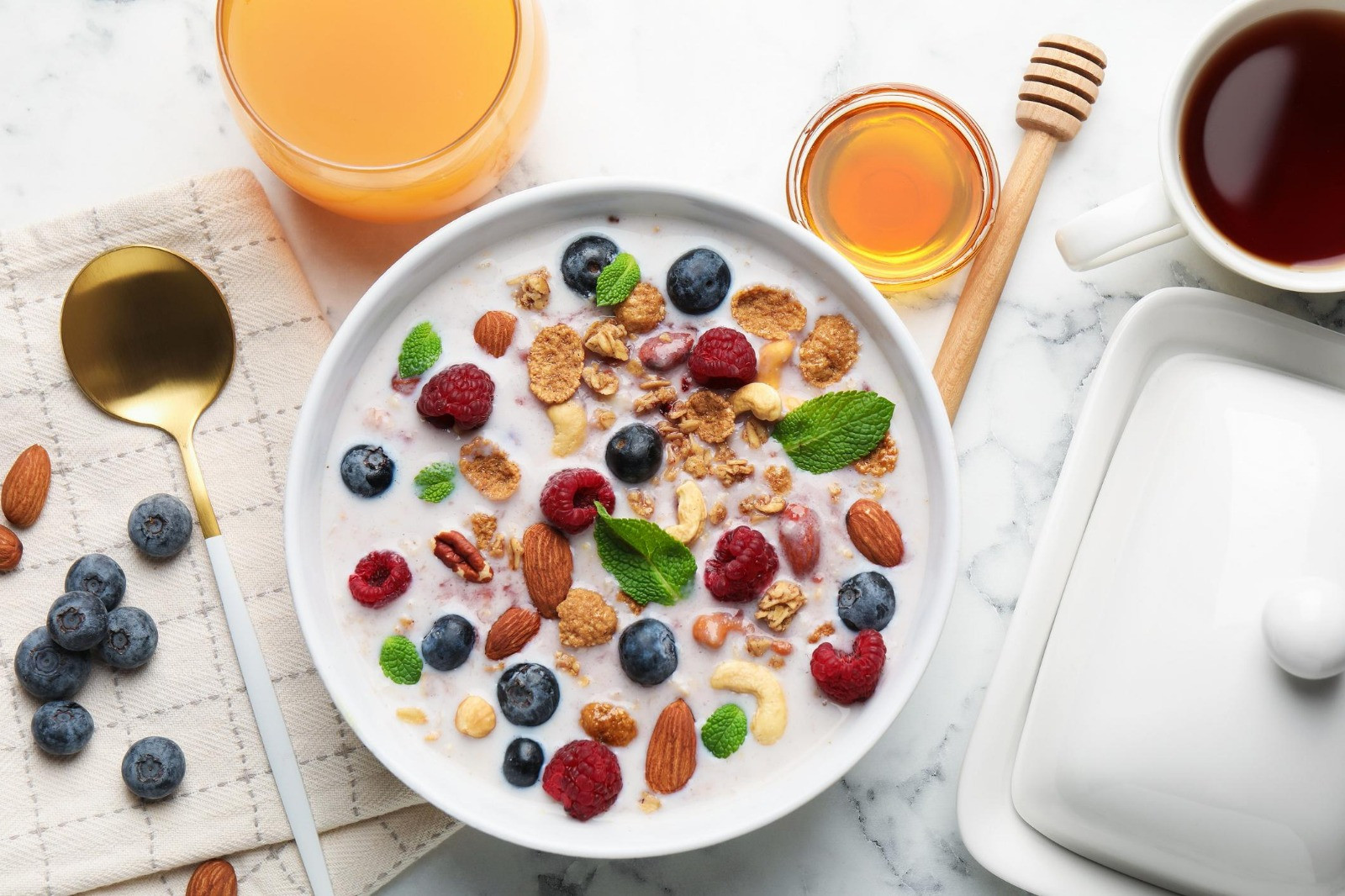
1. Oats with milk and nuts
Oats digest slowly. They release energy gradually and help control hunger. Add milk for protein and a few almonds or peanuts for healthy fats. This combination keeps you full for longer hours.
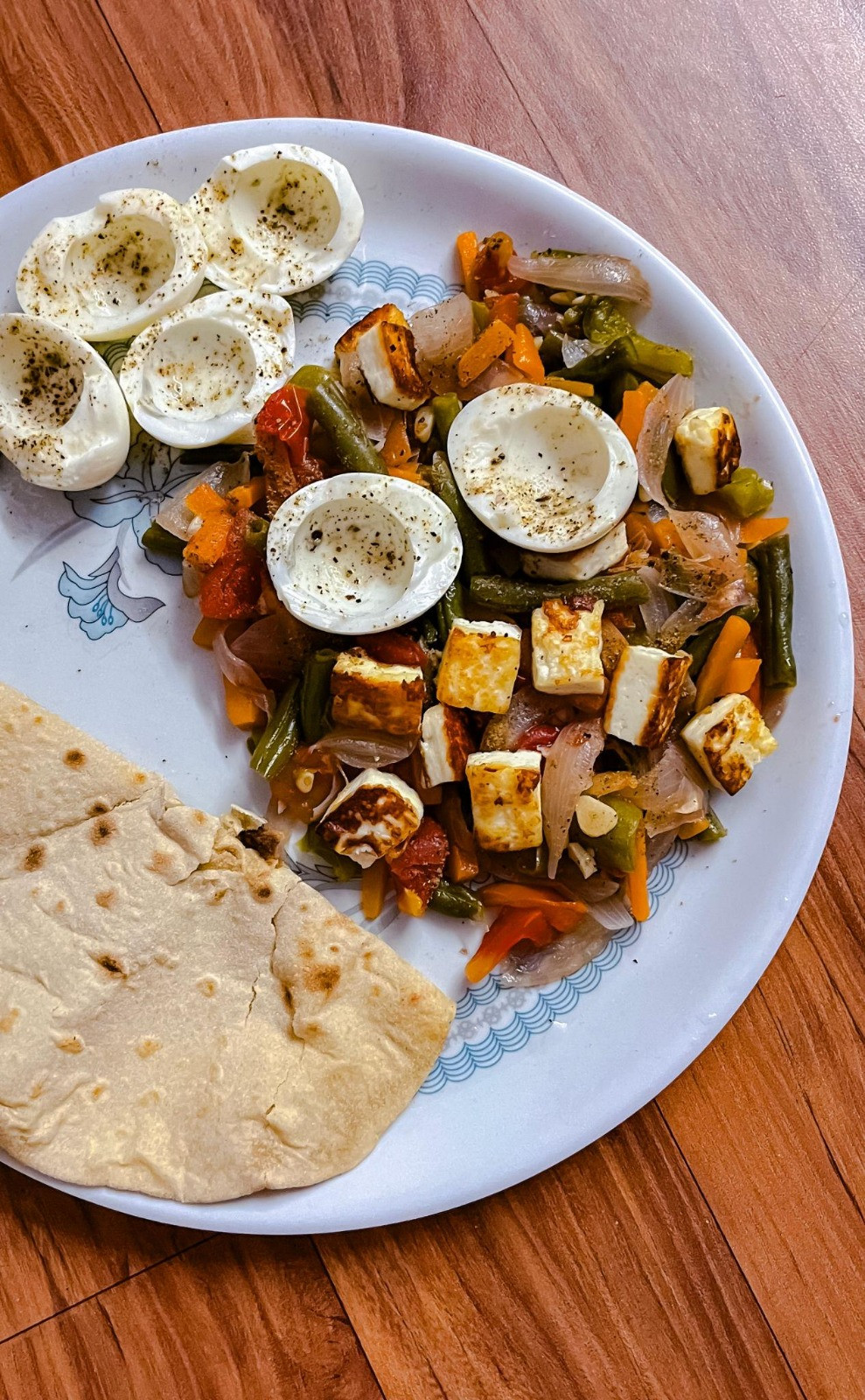
2. Whole wheat chapati with eggs
Two chapatis with omelette or boiled eggs give a balance of carbs and protein. Eggs protect muscle mass during long fasting hours. Avoid very oily preparations.
3. Rice kanji with curd
In many homes, kanji is common. It is light but hydrating. Adding curd improves digestion and adds protein. Keep salt moderate.
4. Peanut butter or chutney with whole grain bread
A simple sandwich works if you are short on time. Peanut butter gives healthy fats and some protein. It slows digestion and keeps hunger under control.
5. Banana or apple
A fruit adds fibre and natural sugars. Banana also gives potassium, which supports muscle function.
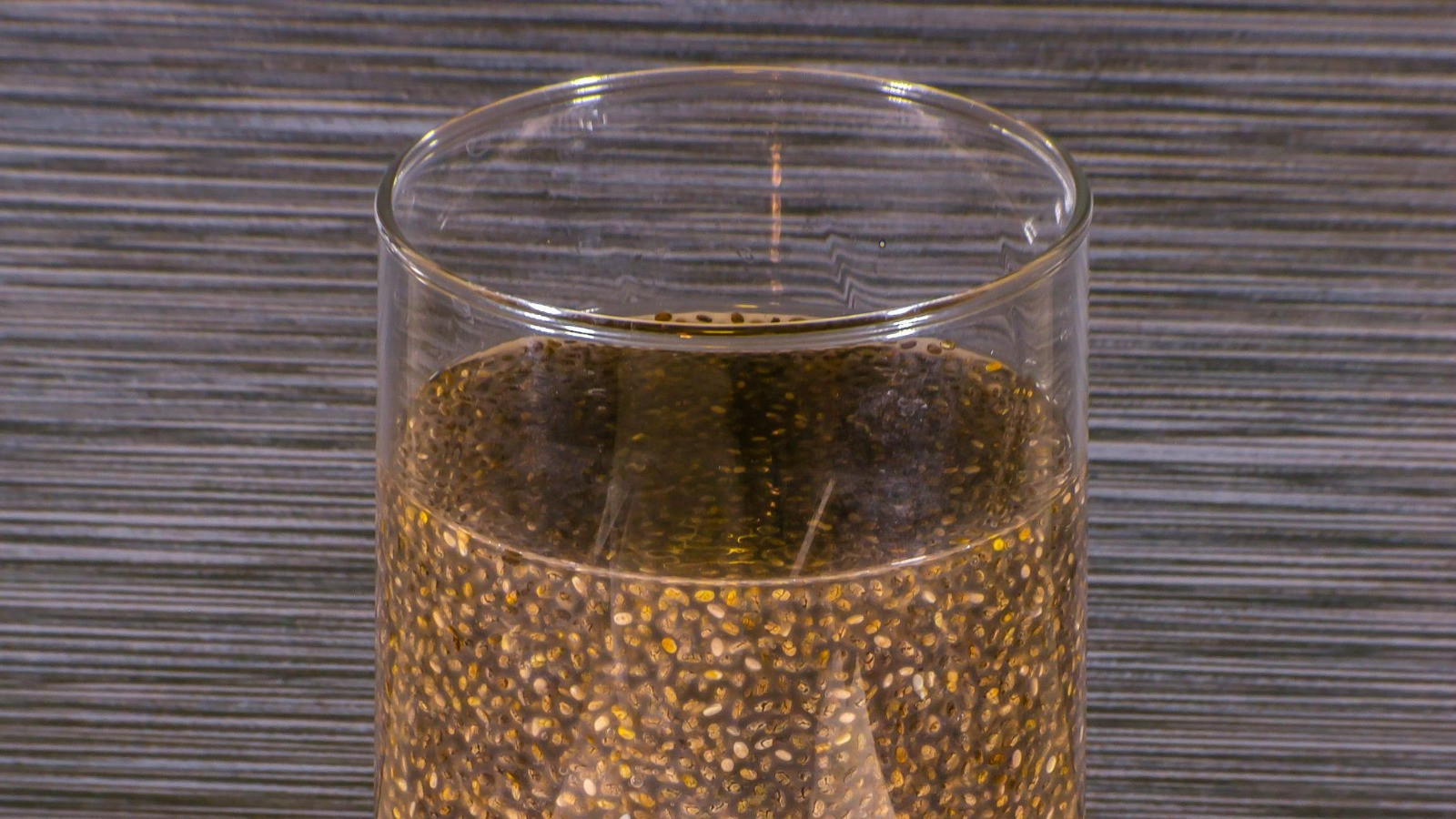
6. Soaked chia seeds in water or milk
Chia seeds absorb water and help in hydration. Even one spoon soaked overnight can support fluid balance.
7. Curd or Greek yogurt
Thicker curd or Greek yogurt has more protein. It also cools the body and supports gut health.
8. Grilled chicken in small portion
If you train intensely and want higher protein, a small portion of grilled chicken with chapati is a strong option. Avoid spicy, oily masala versions early morning.
9. Dal with chapati
Lentils provide plant protein and slow-digesting carbs. This is a steady energy meal.
10. Plenty of fluids
Water should not be an afterthought. Start drinking from the moment you wake up for Sehri. Sip steadily. You can also include buttermilk or tender coconut water.
Foods better avoided at Sehri
Certain foods feel filling but actually worsen dehydration or cause energy crashes.
1. Very salty pickles and packaged snacks
Salt increases thirst during the day.
2. Deep-fried parathas in excess
They sit heavy in the stomach and may cause acidity.
3. Sugary cereals
They spike blood sugar and cause early hunger.
4. Too much tea or coffee
Caffeine increases urine output and can worsen dehydration.
5. Spicy, oily leftovers from dinner
They disturb digestion and may cause discomfort during fasting hours.
6. White bread with jam alone
This is mostly sugar and refined carbs. Hunger returns quickly.
7. Soft drinks
They offer no real hydration benefit.
8. Heavy red meat dishes
They take longer to digest and may cause lethargy.
9. Excess sweets
They add calories without sustained energy.
10. Skipping protein entirely
A carb-only Sehri increases muscle breakdown during long fasting hours.
Hydration strategy for the day
Hydration does not begin at Sehri. It begins the previous evening. From Iftar to Sehri, spread your water intake evenly. Do not drink everything in the last ten minutes before Fajr.
For athletes and MMA trainees who sweat heavily, hydration is even more critical. Include:
* Water in small, steady amounts
* Tender coconut water for electrolytes
* Buttermilk for fluid and gut comfort
* Fruits with high water content like watermelon at night
Avoid going to sleep severely dehydrated. Check urine colour before bed and at Sehri. Pale yellow usually indicates better hydration.
Training timing also matters. Intense workouts are better planned after Iftar. If you must train before Iftar, keep intensity moderate and avoid long, draining sessions.
Sleep should not be ignored. Muscle recovery depends on rest. Even if total hours are less during Ramadan, try to maintain quality sleep.
In simple words, Sehri is your fuel tank for the entire day. A balanced plate, controlled salt, enough protein and proper hydration can help gym-goers and athletes stay steady through fasting hours without compromising performance goals.
Ramadan is about discipline. With the right planning, that same discipline can reflect in fitness too.
Let the Truth be known. If you read VB and like VB, please be a VB Supporter and Help us deliver the Truth to one and all.
Deepika Kumari leads Indian recurve archery team to dramatic World Cup gold

Shanghai (PTI): The Indian trio of Deepika Kumari, Ankita Bhakat and teenager Kumkum Mohod held their nerve in a tense shoot-off to beat home favourites China and clinch the women's recurve team gold medal at the Archery World Cup Stage 2 here on Sunday.
In a final marked by fluctuating fortunes, India edged past the home side 5-4 (28-26) in the shoot-off after the four-set regulation ended 4-4.
The victory was especially sweeter as India had earlier stunned record 10-time Olympic champions South Korea in the semifinals en route to their first World Cup women's team gold since 2021.
Deepika, who was also part of India's World Cup-winning teams in Guatemala City and Paris in 2021, now has seven World Cup team gold medals to her name since 2010.
It was also the Indian women recurve team's first World Cup medal in three years, its previous podium finish coming in Stage 4 in Paris in 2023 where Ankita was a member of the winning team.
India's campaign in Shanghai has thus already yielded two medals after compound archer Sahil Jadhav opened the country's account, securing a bronze on Saturday.
India also remained in contention for another podium finish later in the day with recurve archer Simranjeet Kaur set to compete in the semifinals. She is a win away from her maiden individual World Cup medal.
Travelling without a full-time national coach amid the continuing impasse over appointments, it was the vastly experienced Deepika who led from the front, constantly motivating her teammates during breaks and changeovers.
Prafull Dange, who was the designated women's recurve coach after his ward Kumkum topped the national trials, largely remained in the background as Deepika guided the side through the pressure moments against a hostile home crowd and vocal Chinese support staff.
Against a young Chinese side comprising Zhu Jingyi, Huang Yuwei and teenage archer Yu Qi, who all made their World Cup debuts only last year, India looked in control initially but nearly let the match slip after taking the opening set (54-53).
Shooting last in the Indian order, Deepika set the tone with successive 10s as India edged the first set despite Ankita (8-8) and 17-year-old Kumkum (10-8) putting up an inconsistent show.
Deepika continued her fine rhythm in the second set with another perfect 10 as India briefly held a one-point advantage (28-27) midway through the end. But China responded strongly with two 9s and a 10 in their final three arrows of the second set to post 55.
Ankita replied with a 9, but Kumkum managed only an 8, leaving Deepika needing a 10 to level the set.
The four-time Olympian, however, slipped to a 7 as India lost the set 52-55 and China drew level at 2-2.
The hosts then moved ahead in the third set. The teams were initially tied at 56, but a review upgraded China's final arrow from 8 to 9, handing them the set 57-56 and a 4-2 lead.
India appeared on the verge of defeat in the fourth set despite Deepika rediscovering her touch with two 10s. Kumkum's final arrow landed in the 7-ring as India posted a modest 54.
China required two 10s and a 9 from their last three arrows to seal the match.
Zhu and Huang delivered perfect 10s, leaving 18-year-old Yu Qi needing a 9 for victory in front of the home crowd.
But the youngster shot an 8, allowing India a dramatic escape and forcing a shoot-off.
The Indians peaked at the right moment in the decider. Ankita opened with a 9, Kumkum followed with a superb 10, and Deepika calmly delivered a 9 when only an 8 was needed to seal the title.


