First made in India semiconductor chip to be rolled out this year: Ashwini Vaishnaw

Hyderabad, Jul 18 (PTI): Union Electronics and Information Technology Minister Ashwini Vaishnaw on Friday said that the country's first indigenous semiconductor chip would be rolled out this year.
Speaking at the 85th foundation day celebrations of Keshav Memorial Educational Society here, he said India is going to become one of the most important semiconductor nations in the world.
Today, some of the most complex chips are designed in cities, including Hyderabad, Bengaluru, Pune, Gurugram and Chennai, he said.
"Now, we are starting the manufacturing of semiconductor chips. We have already approved six seminconductor plants. Their construction is going on. We will have the first Made in India chip in this year 2025," he said.
The union minister said as part of the India AI Mission, free datasets and others are being uploaded. As many as one million people are being trained in the use of AI, he said.
Vaishnaw also said India would be among the top two economies in the world by 2047.
Observing that the world is going through a big change, he said the western countries which were dominating the economy are now being replaced by the "eastern hemisphere".
Let the Truth be known. If you read VB and like VB, please be a VB Supporter and Help us deliver the Truth to one and all.
Yenepoya University conducts autism awareness campaign in Mangaluru

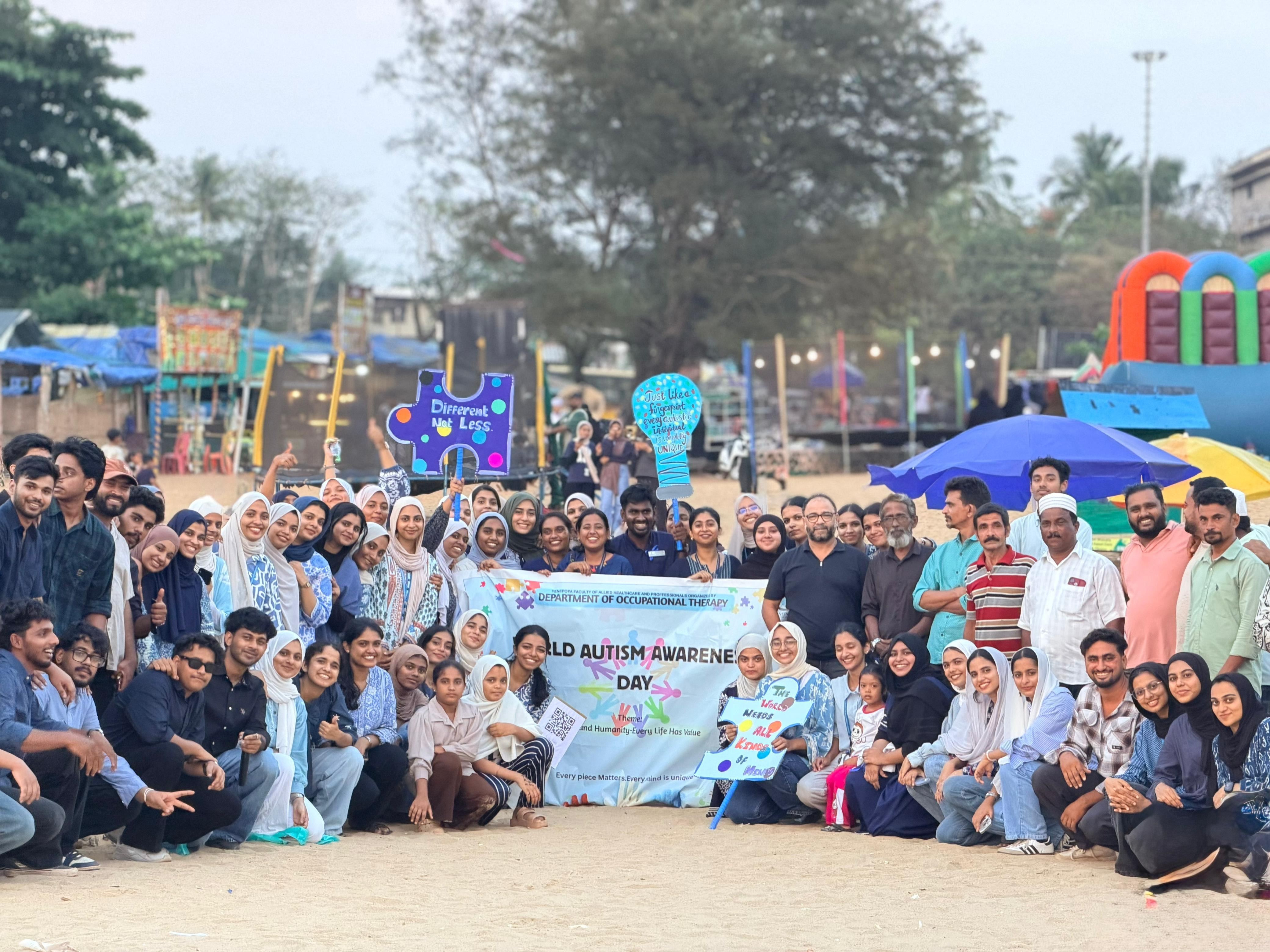
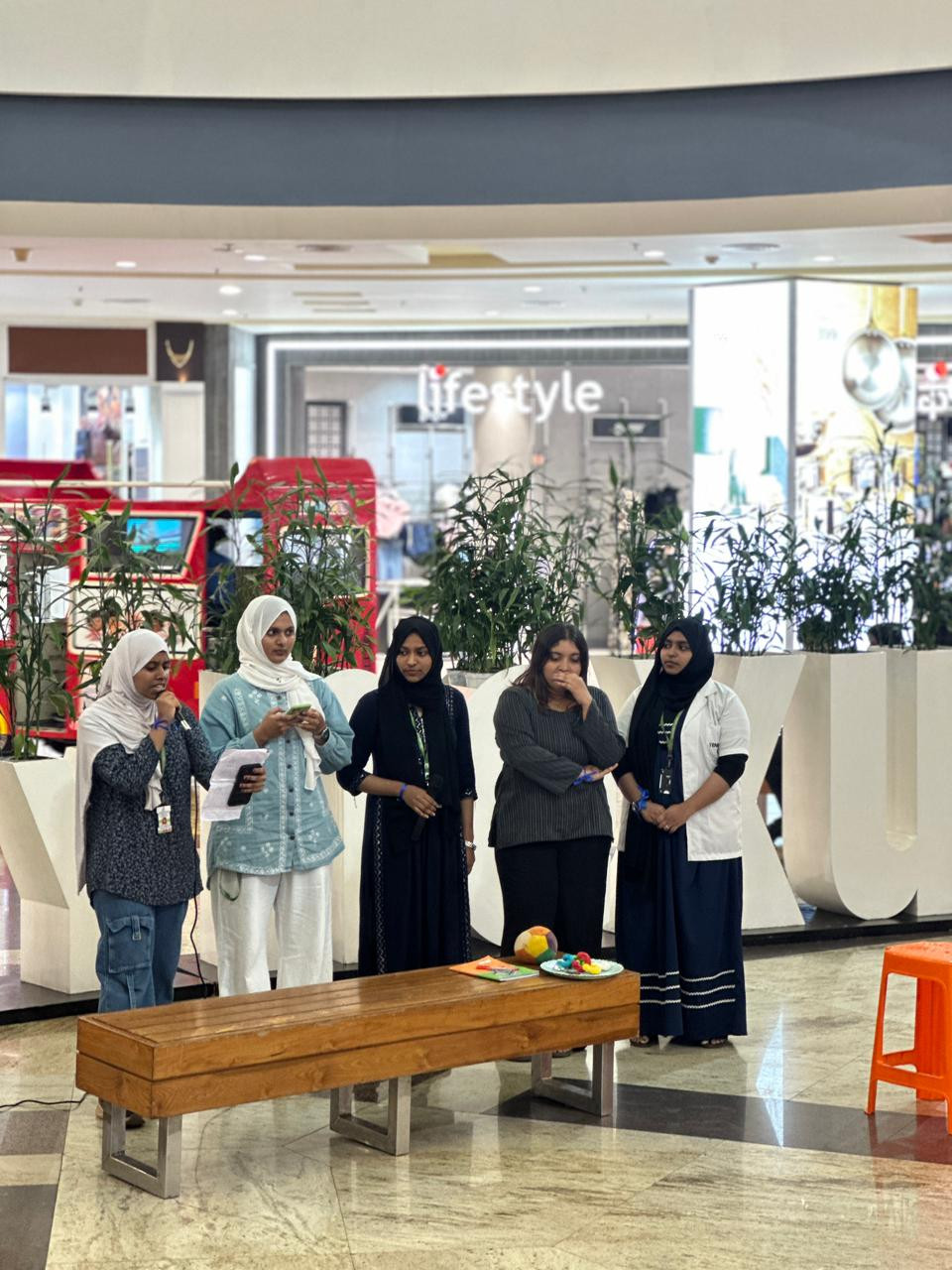
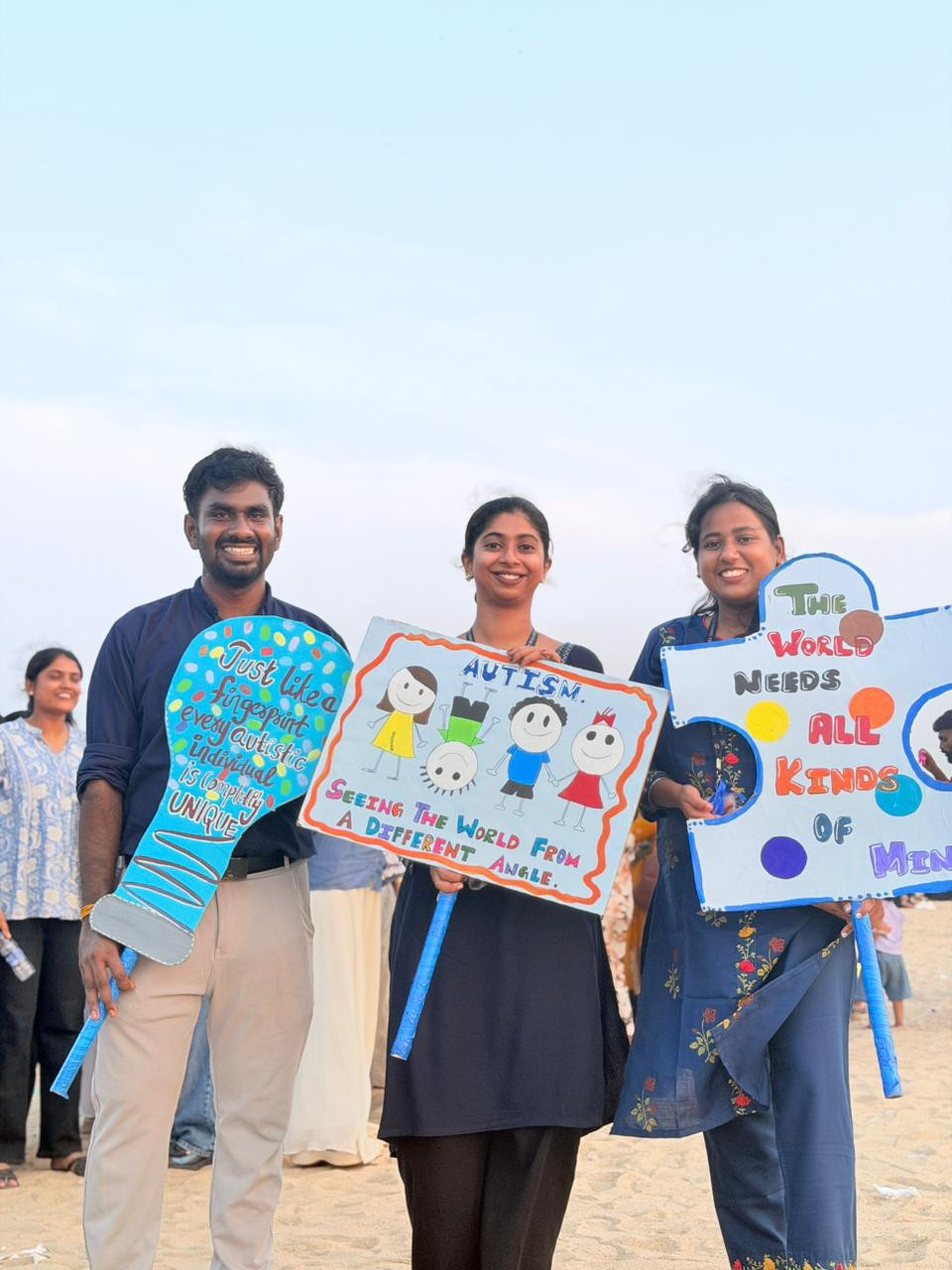
Mangaluru: The Department of Occupational Therapy at Yenepoya (Deemed to be University) conducted a community-based Autism Awareness Campaign at Fiza Mall and Ullal Beach in the city.
The campaign was aimed at promoting awareness, inclusion, and early identification of autism, in line with the global theme, “Autism and Humanity – Every Life Has Value.”
The programme was led by Dr. Dhayanithi K and Dr. Ananya Jana as organising chairpersons, with Dr. Anas, Dr. Amanda S. Phillip, and Dr. Ansu V. David served as organising members.
Students of the Bachelor of Occupational Therapy (BOT) programme participated in conducting the campaign.
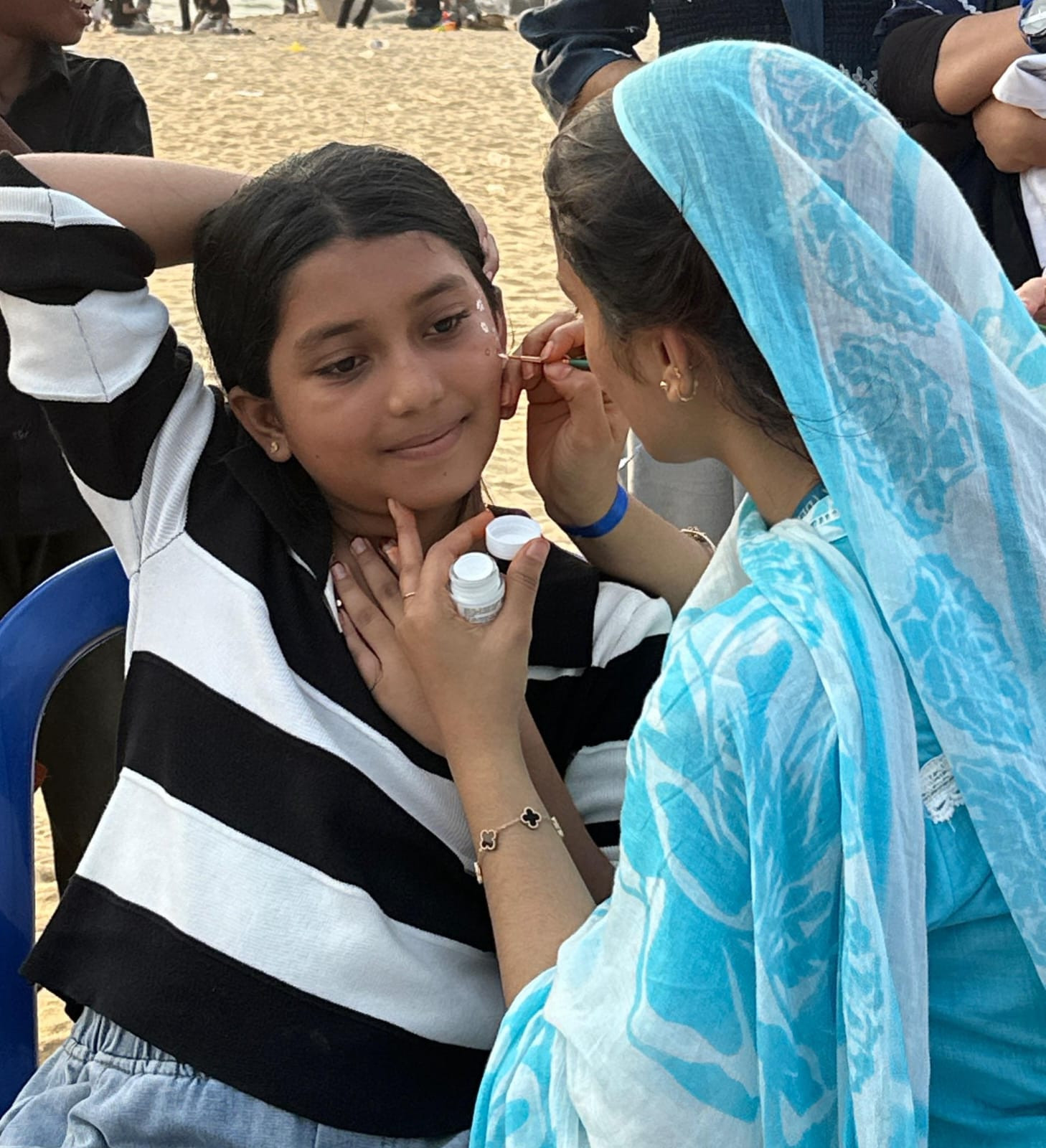
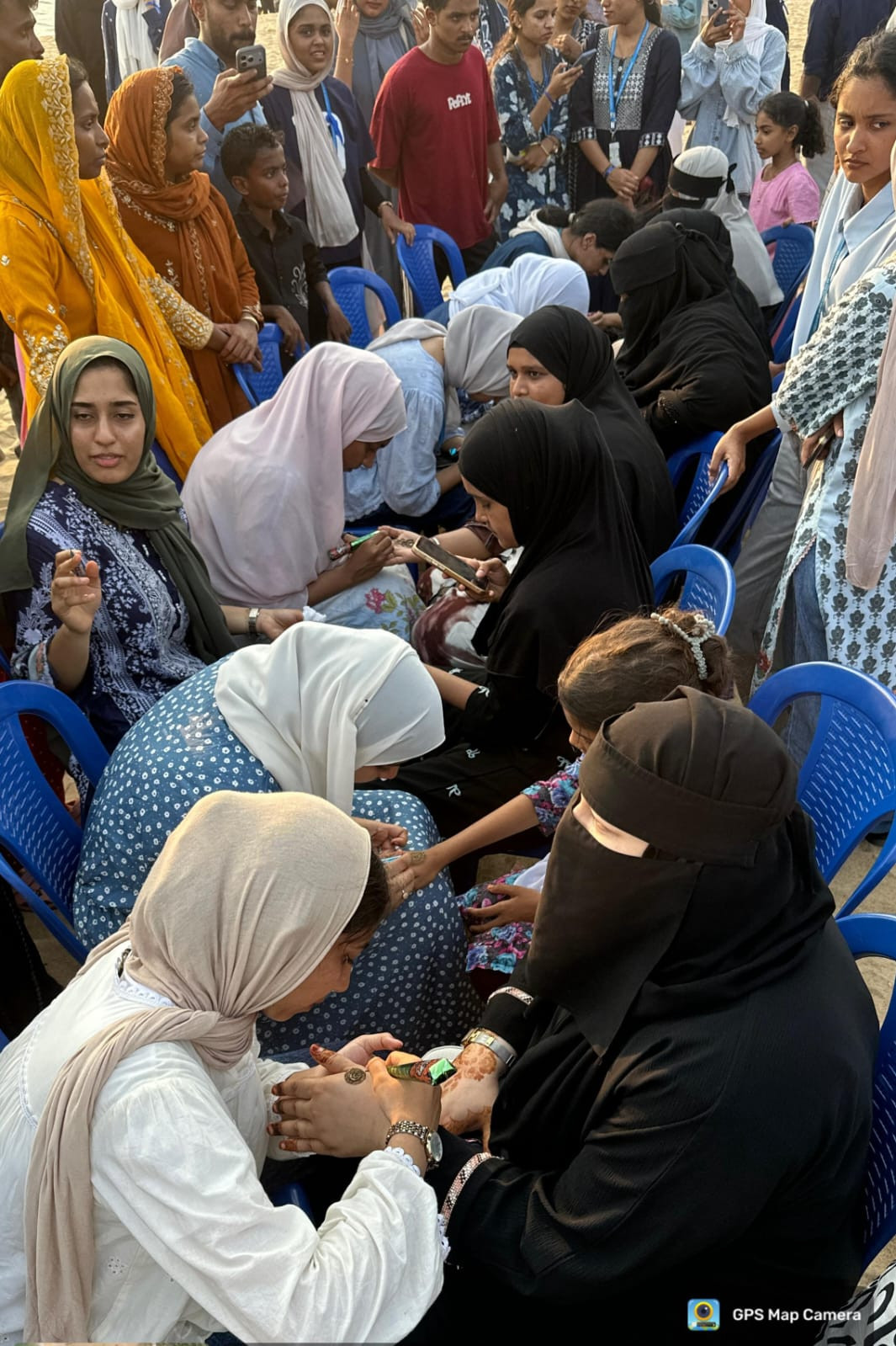
The event included activities such as flash mobs, street plays, face painting, mehendi, and direct interaction with the public.
These activities focused on highlighting early signs of autism, the need for early intervention, and the importance of inclusion and acceptance of individuals with autism.
The campaign reached around 300 to 500 members of the public. It also provided students with practical exposure to community-based rehabilitation and public health education.
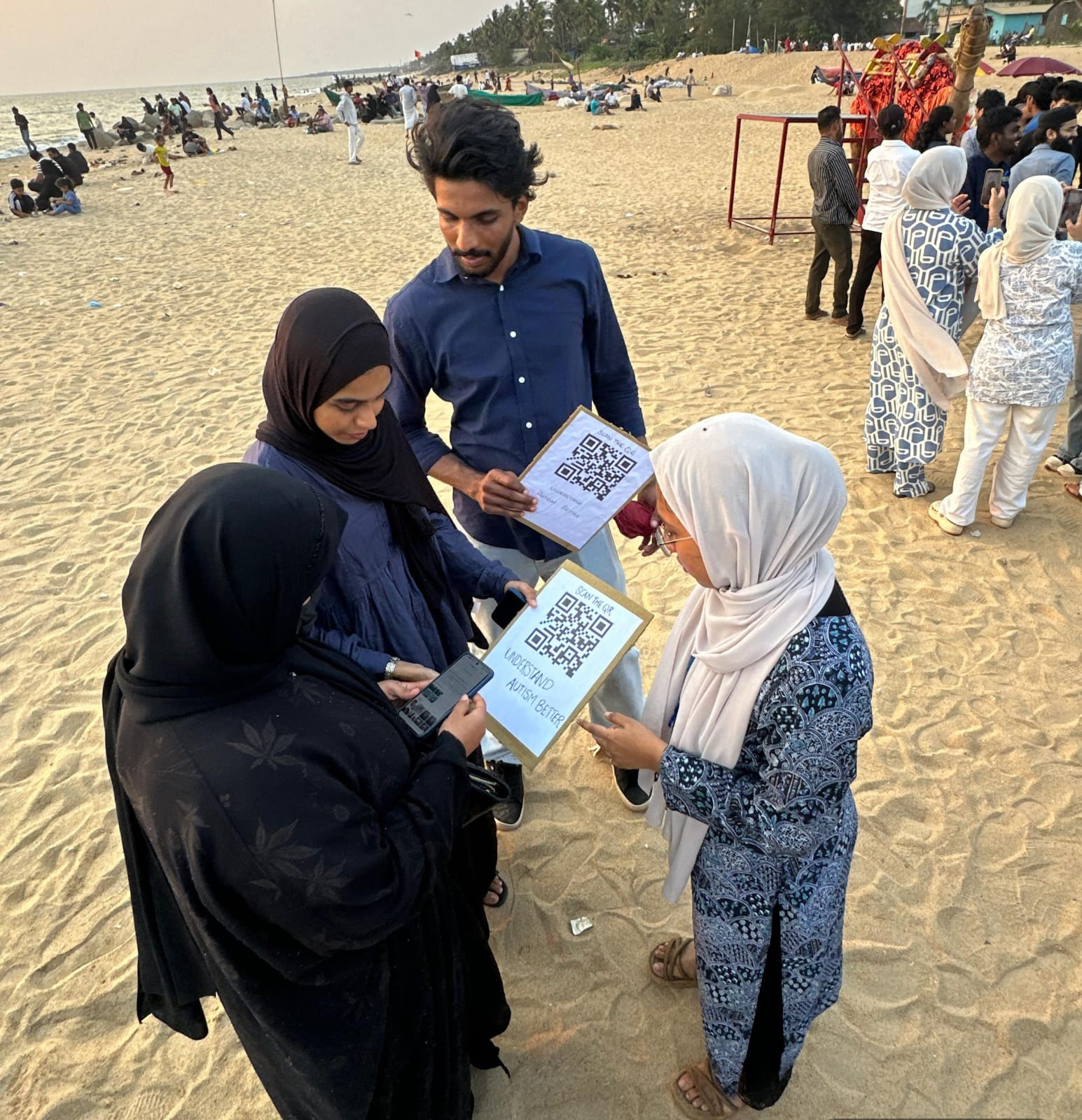
As part of the initiative, QR-based digital resources were introduced to help the public access reliable information on autism.
“Awareness is the first step towards inclusion, and early intervention can significantly improve outcomes,” the organising team said.
The department thanked the university for its support in organising the campaign. It also acknowledged the cooperation of the management of Fiza Mall and the Ullal Beach Police Department in facilitating the event.