
Lakshadweep-Mangaluru passenger vessel service resumes
Lakshadweep nearer by five hours, mainland connectivity gets better

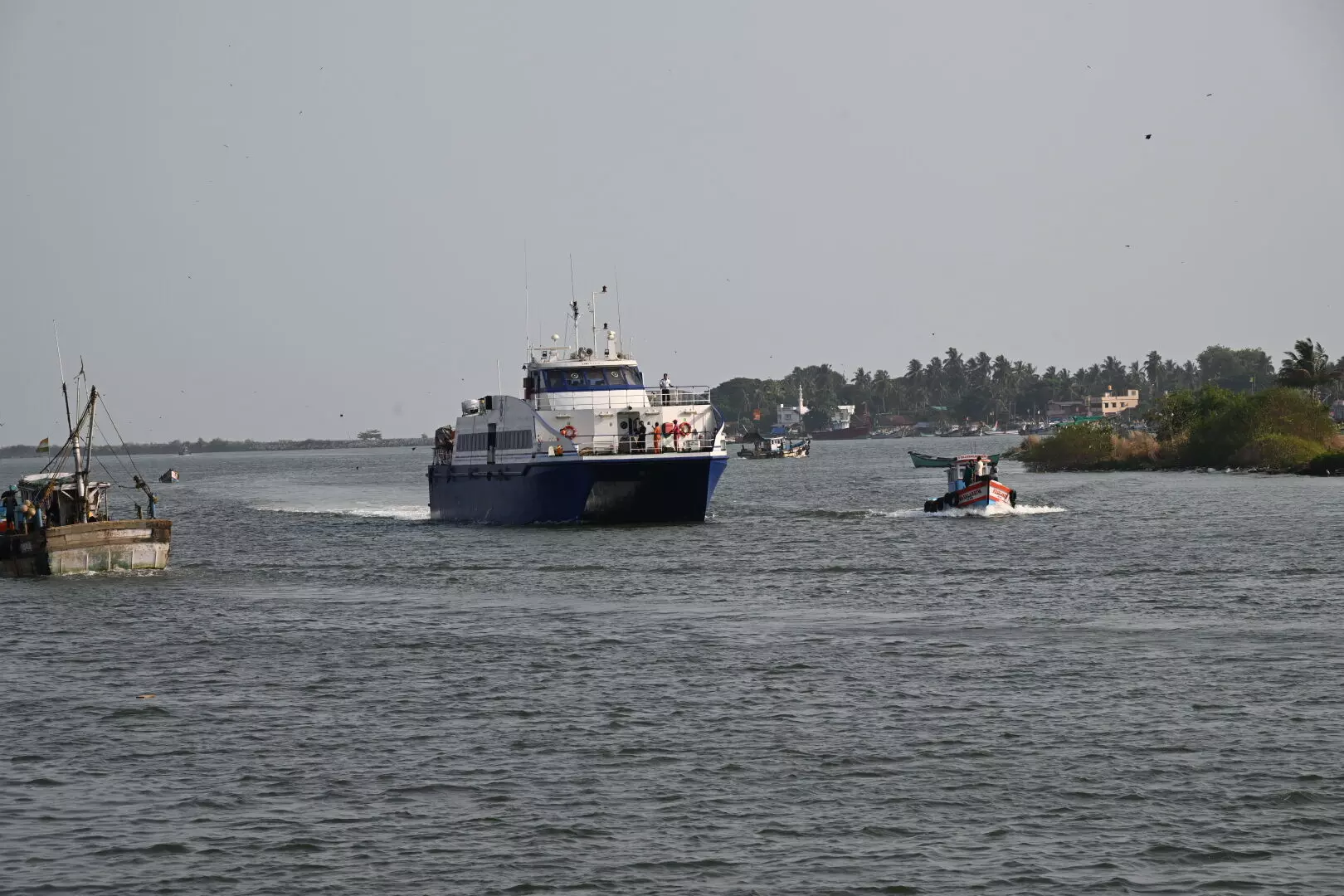
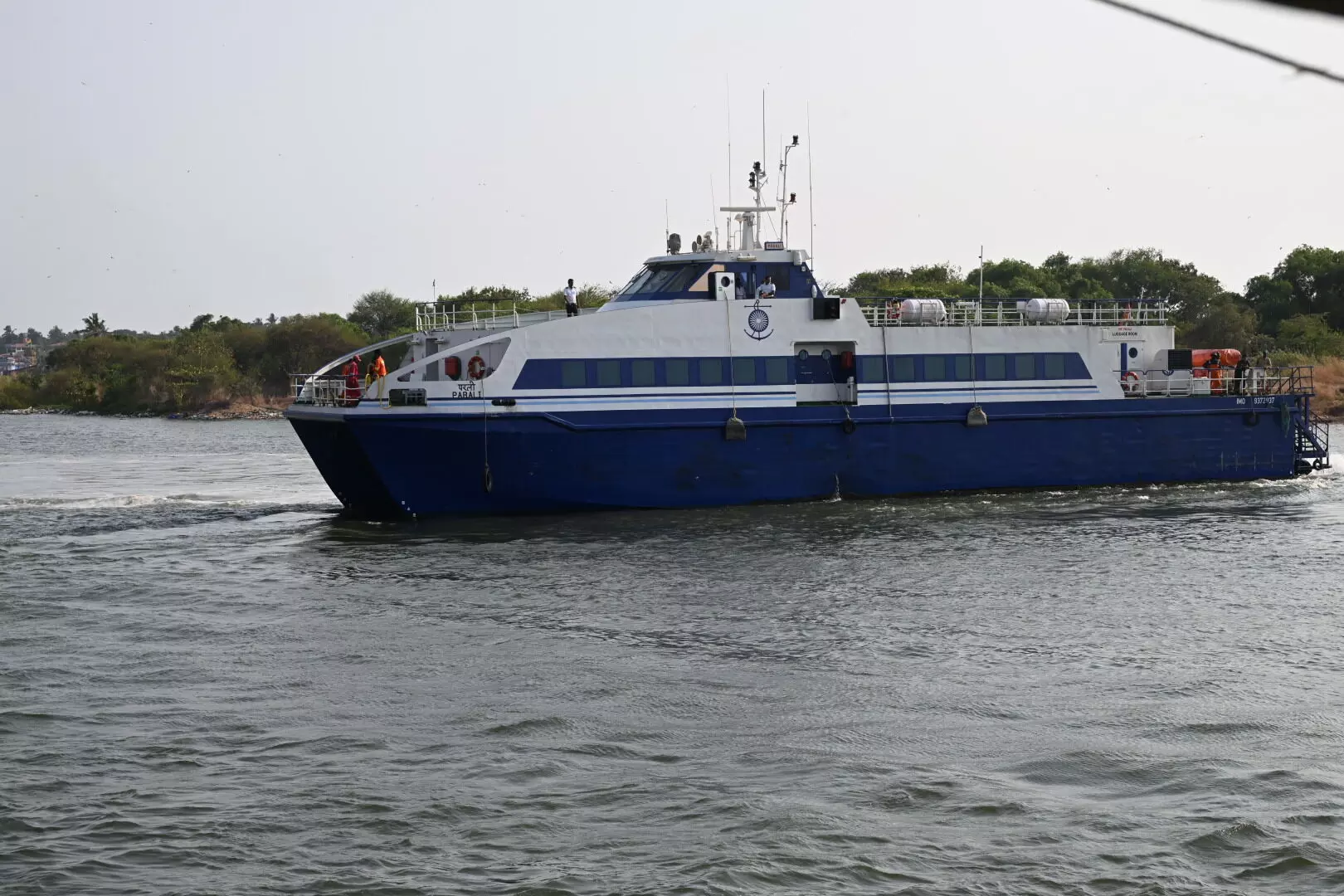
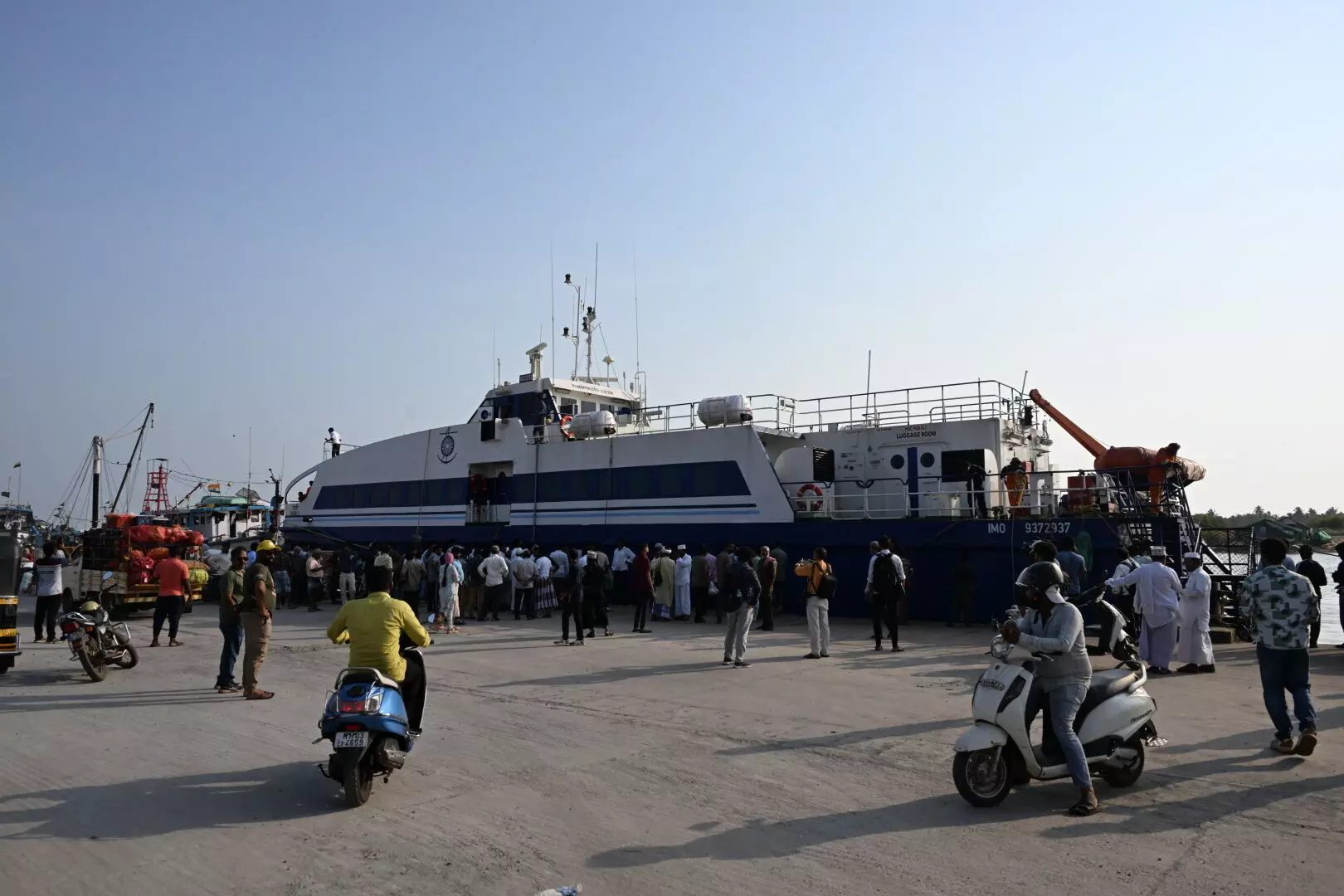
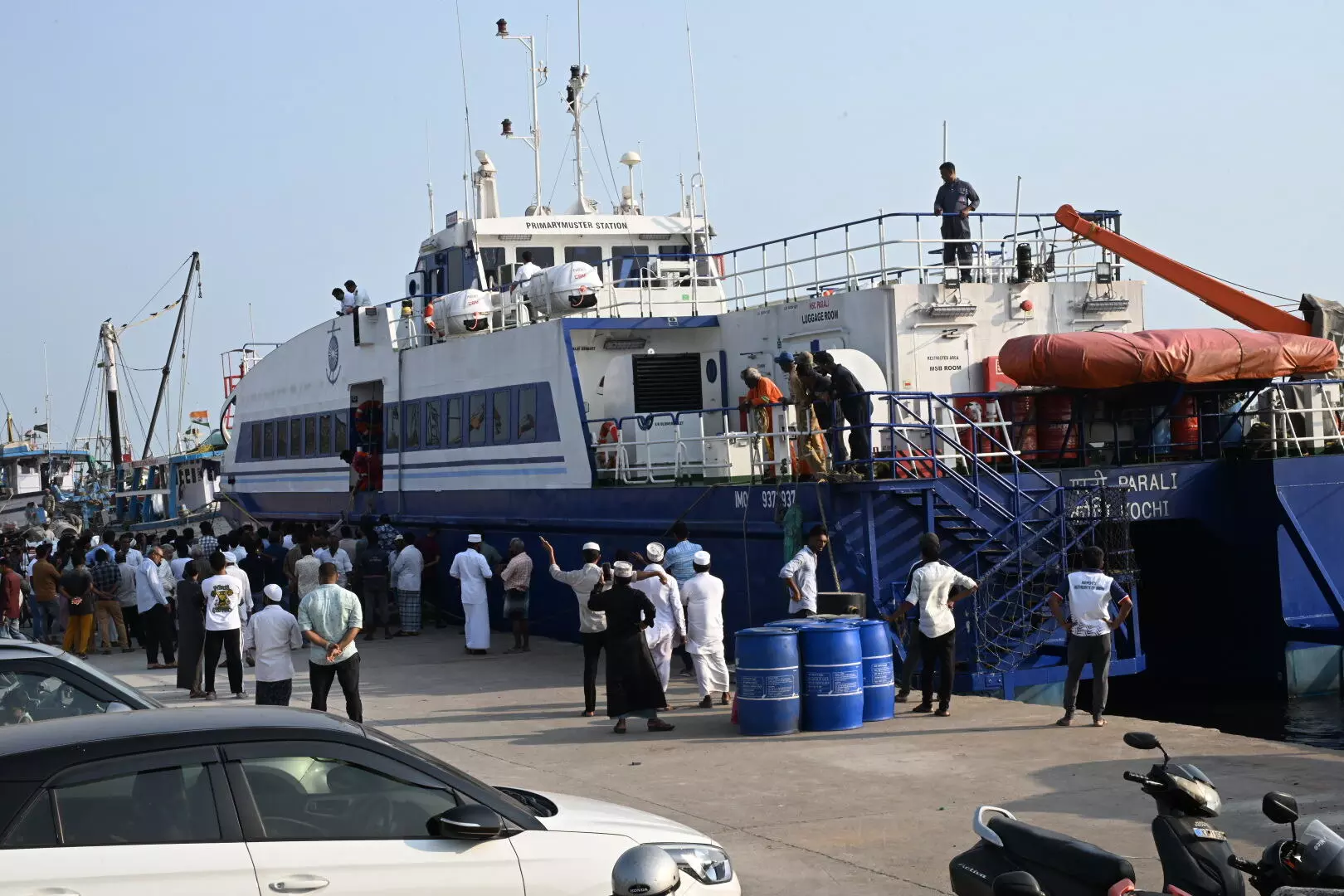
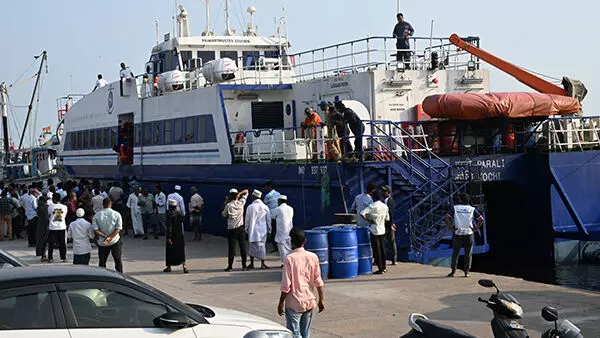
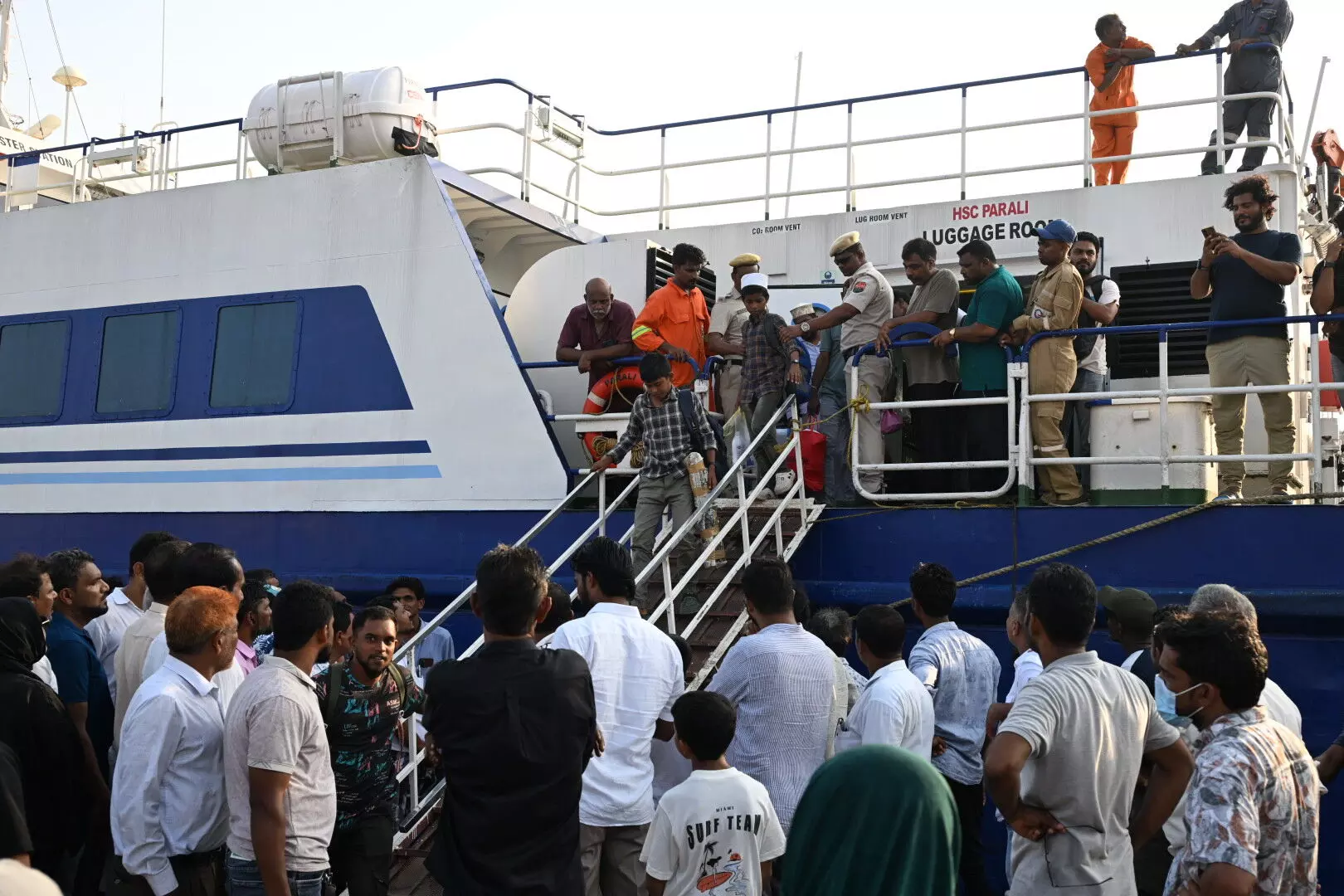
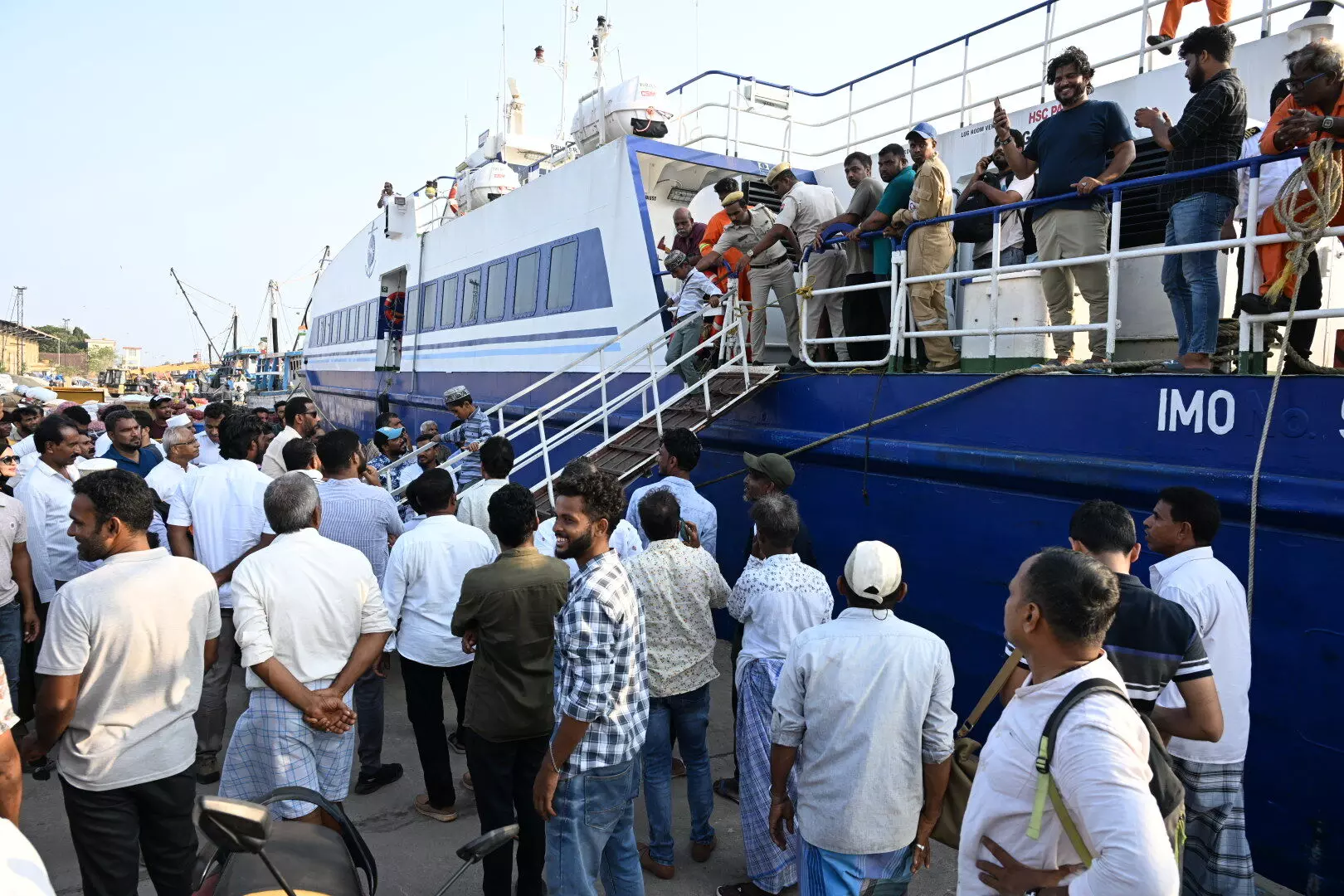
Mangaluru (Karnataka), May 2: Travel by searoute from the mainland to Lakshadweep is now nearer by five hours. The highspeed vessel ‘Parali’ on Thursday ferried 160 passengers from Lakshadweep Islands to the Mangaluru old port in just seven hours compared to the earlier 13 hours on an experimental basis.
Speaking to PTI, the first batch of tourists on the ‘HSC Parali' said that it was a different experience. The new vessel has not only high-speed connectivity but is also smoother by far than the earlier vessels which are modified to ferry passengers from cargo carriers.
The Lakshadeweep Islands Tourism Development Authority formed under the Central Tourism Ministry will start the Mangalore-Lakshadweep tourist liner service after few trial runs starting from today. But we do not know how rough will be the sea once the monsoon starts. The LITDA has already ramped up the facilities at the receiving point in Kadmatt, which is the nearest port of arrival from the mainland, the officials said.
ALSO READ: Beejadi beach: Fishing vessel stranded on shore rescued in prompt operation
After Prime Minister Narendra Modi's visit to Lakshadweep Island earlier this year, the island administration (union territory) moved in many ways to improve the connectivity between the mainland at Kochi and at Mangaluru.
According to the officials, this is the first step and things will be easier for people of Lakshadweep to arrive in Mangaluru for several types of tourism including the western ghats eco tourism, educational, health and recreation tourism in the mainland.
Karnataka, part of the mainland, and Lakshadweep share a common history since 1783 as it was Hyder Ali and Tippu Sultan who protected the entry of mainland marauders into Lakshadweep Islands and prevented them from pillaging the island paradise.
But after 1799, when Tippu Sultan died in Srirangapatnam near Mysore, the people of Lakshadweep lost their freedom again as the British conquered the islands.
The beautiful cluster of small islands, Lakshadweep is one of the world’s most spectacular tropical island systems. Thirty two sq km of land spread over 36 islands surrounded by 4,200 sq km of lagoon is rich in marine wealth. The heritage of ecology and culture is supported by an extremely fragile ecosystem.
Committed to the cause of eco tourism, Union Territory of Lakshadweep has consciously followed a middle path between tourism promotion and environmental conservation. The administration is carefully monitoring the environmental impact of coastal tourism and has taken steps to promote tourism in a way that is consistent with ecological concerns.
The first passenger Vessel ‘M.V.Aminidevi’ had set sail for Kadmatt island in Lakshadweep Islands on 6 November with 150 tourists in 2010. "This had opened a new horizons in tourism for Karnataka. Earlier this circuit was very circuitous for the people in the interior parts of Karnataka, but the new initiative will help high value tourists from Bangalore, Mysore, Panaji, Mumbai to use Mangalore as a port of departure to Lakshadweep.
"We are now getting inquiries from Karnataka especially Bengaluru," according to Lakshadweep Island Tourism Development Authority co-ordinators in Karnataka.
The authorities had already prepared the ultra modern tourism facilities in three islands out of the nine which are closer to Mangalore in terms of navigation. The two islands of Minicoy and Kalpeni are closer to Kochi.
At Kadmatt water sports like snorkeling, kayaking, diving, cruising and a combination of tourist activities including the local and world culinary attraction has been arranged.
The authority are hoping that the tourists from Bengaluru will take advantage of this facility. Earlier they had to go to Kochi.
The IT and Business tourists can travel to Lakshadweep at a cost of Rs 5,000 per head on this ship. The travel time is less than 14 hours and if they can squeeze in three days, we have devised a weekend package which is very rejuvenating, said an official from the Union Territory Authority of Lakshadweep Islands.
Earlier, only a cargo ship ‘Tipu Sultan’ was plying between the Islands and the mainland. This route is stated to be one of the oldest in the Indian maritime history.
Accommodations in Minicoy, Kalpeni, Kadmatt, Aminidevi are limited and the ship will take tourists only when there is accommodation available on the islands. However, the rush has already begun as tourists from Mumbai, Ahmedabad, Baroda, and other places are booking their seats. They will treat Mangaluru as a port of departure, according to officials.
Let the Truth be known. If you read VB and like VB, please be a VB Supporter and Help us deliver the Truth to one and all.
Mumbai-Pune Expressway ‘missing link’ to open on May 1; will improve travel safety: Shinde

Mumbai (PTI): Maharashtra Deputy Chief Minister Eknath Shinde on Sunday said the long-awaited ‘missing link’ on the Mumbai-Pune Expressway, aimed at bypassing the winding Bhor Ghat section and improving safety, will be inaugurated on May 1.
Shinde, who inspected the project site, said the new stretch will make the expressway fully access-controlled, easing congestion in the hilly section.
Chief Minister Devendra Fadnavis is likely to inaugurate the 13.3-km-long missing link, which connects Khopoli on the Mumbai side to Kusgaon near Lonavala, on Maharashtra Day, which is celebrated on May 1, he said.
The deputy CM said that 99 per cent of the project work has been completed. “I personally inspected the quality of work and found it satisfactory. The remaining minor works will be completed in the next few days,” Shinde said.
Shinde said the new alignment will bypass sharp curves and accident-prone stretches in the ghat section, helping reduce delays and improve commuter safety. He claimed accidents in the section would reduce substantially once the project becomes operational.
“The missing link project will make travel between Mumbai and Pune quicker, safer and more convenient, and will contribute significantly to the state’s development,” he said.
The Rs 6,700-crore project, developed by the Maharashtra State Road Development Corporation (MSRDC), includes two tunnels, high viaducts and a cable-stayed bridge over Tiger Valley.
The missing link will reduce the travel distance between Mumbai and Pune by approximately 6 km and shorten the journey time by 20 to 30 minutes, said officials.
Initially, only light motor vehicles and buses will be permitted on the new stretch to reduce congestion on the existing ghat section, officials said, adding that heavy goods vehicles will be prohibited due to safety concerns.
“There will be no toll hike because of the missing link project. No increase has been proposed at the Khalapur toll plaza either,” Shinde said.
The project comprises two eight-lane tunnels of 1.75 km and 8.92 km in length and two viaducts measuring 850 metres and 650 metres, said officials. It has been designed to bypass the old Khandala ghat section, a winding route that has long slowed down traffic and posed safety risks, said officials.
The 650-metre viaduct will feature what officials described as India’s tallest road cable-stayed bridge, with pylons rising to 182 metres, taller than those on the Bandra-Worli Sea Link.
Officials claimed that the tunnels have a width of 23.75 metres and are among the widest road tunnels in the world. An MSRDC official said the tunnel is likely to be included in the Guinness Book of Records.
The route runs beneath the Lonavala lake area and was executed in difficult terrain marked by heavy rainfall and strong winds, officials said.
Shinde said projects such as the missing link would boost access to tourist destinations such as Lohagad Fort, Visapur Fort and Karla Caves.
MP Shrirang Barne, former corporator Abasaheb Bagul, MSRDC Managing Director Anilkumar Gaikwad and senior engineers from executing agencies were present during the inspection, officials said.
Krishnamurthy Subramanian, executive chairman of construction and engineering company Afcons International Private Limited, said the journey to completion of “India’s highest road cable-stayed bridge” was challenging.
“The bridge, located in the Sahyadri region, presented extreme challenges, including narrow ridges that left little room for heavy machinery, sudden wind speeds reaching up to 100 kmph, and dense fog reducing visibility to a few metres. Despite these conditions, we are proud to deliver this engineering marvel,” he said.
The expressway, spanning approximately 95 km, holds the distinction of being India's first access-controlled highway.


