Prohibitory orders clamped in Bengaluru, Mangaluru, Udupi

Bengaluru, Dec 18: Prohibitory orders have been clamped in Bengaluru, Mangaluru and Udupi in the backdrop of the protests against the controversial Citizenship Amendment Act.
The orders in Bengaluru would be in force for three days starting from 6 AM on Thursday morning to December 21 midnight.
The ban in Mangaluru would be for two days from Thursday morning till Friday midnight, the commissioners of police of the two cities said in their separate orders.
The restriction orders in Udupi would be in force for three days starting from 6 AM on Thursday morning to December 21 midnight.
No one will be allowed to carry out protests, demonstrations, burst crackers or display weapons, the orders said.
Bengaluru police Commissioner Bhaskar Rao told reporters here that none should organise protests in the city from 6 AM tomorrow to midnight of December 21.
Anyone violating the orders will be dealt with an iron hand, he said.
"There will however be no restrictions on schools, colleges, malls, markets, bus services, metro rail, autorickshaws and cab aggregators.
Rao said the orders were imposed as many violent incidents had taken place during protests against the Citizenship Amendment Act in various parts of the country, where public property was damaged.
Let the Truth be known. If you read VB and like VB, please be a VB Supporter and Help us deliver the Truth to one and all.
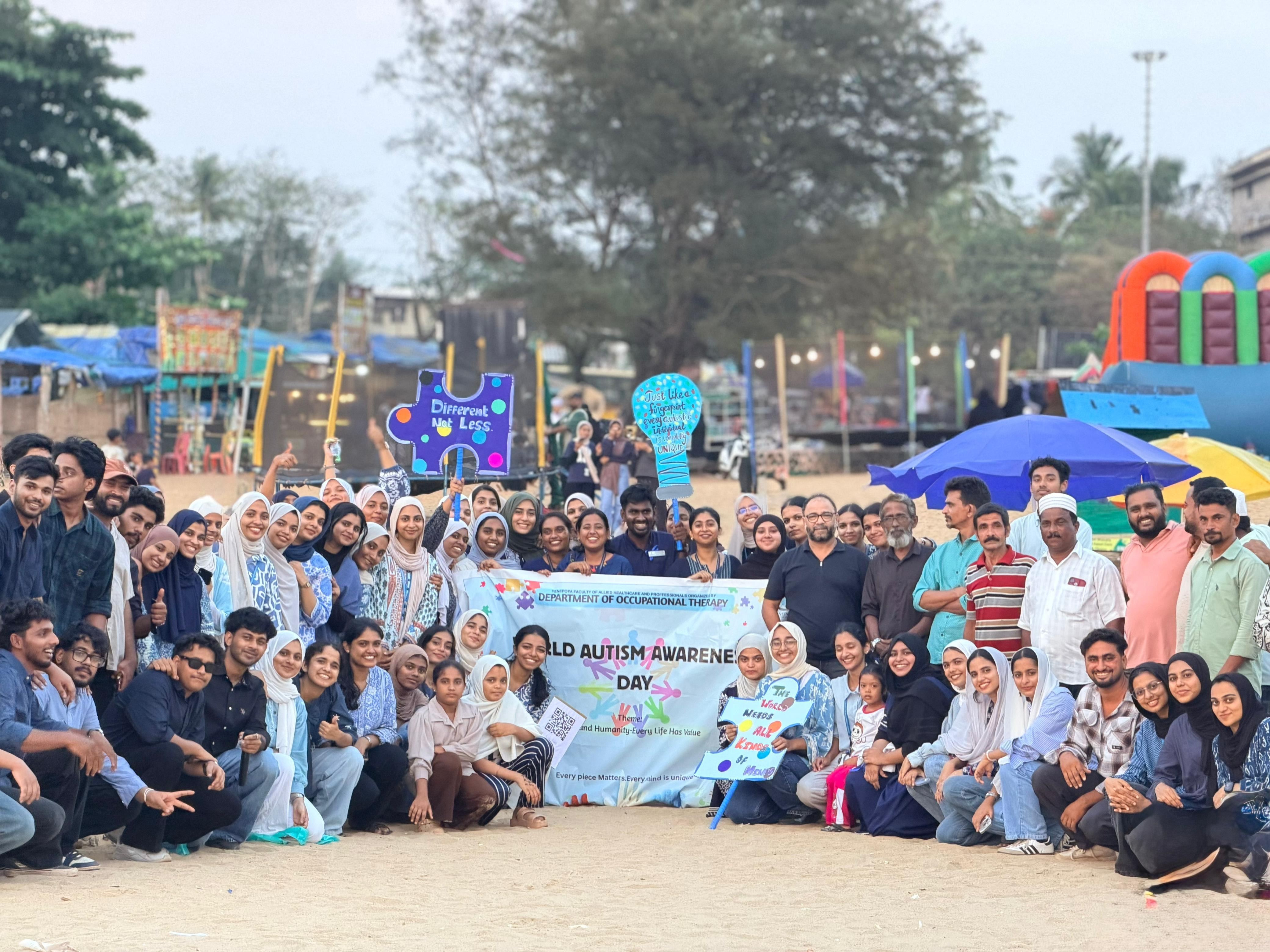
Yenepoya University conducts autism awareness campaign in Mangaluru

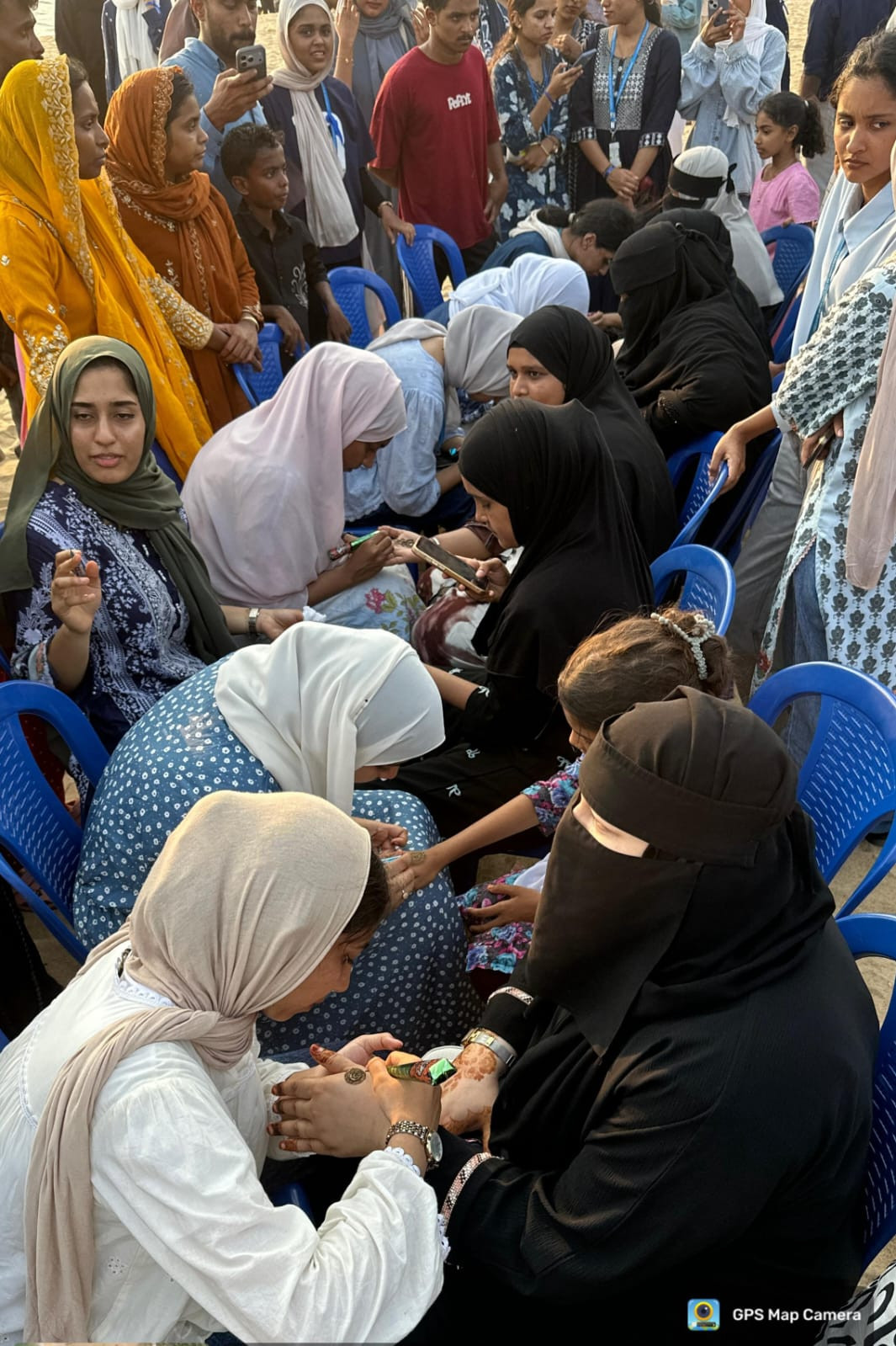
Mangaluru: The Department of Occupational Therapy at Yenepoya (Deemed to be University) conducted a community-based Autism Awareness Campaign at Fiza Mall and Ullal Beach in the city.
The campaign was aimed at promoting awareness, inclusion, and early identification of autism, in line with the global theme, “Autism and Humanity – Every Life Has Value.”
The programme was led by Dr. Dhayanithi K and Dr. Ananya Jana as organising chairpersons, with Dr. Anas, Dr. Amanda S. Phillip, and Dr. Ansu V. David served as organising members.
Students of the Bachelor of Occupational Therapy (BOT) programme participated in conducting the campaign.
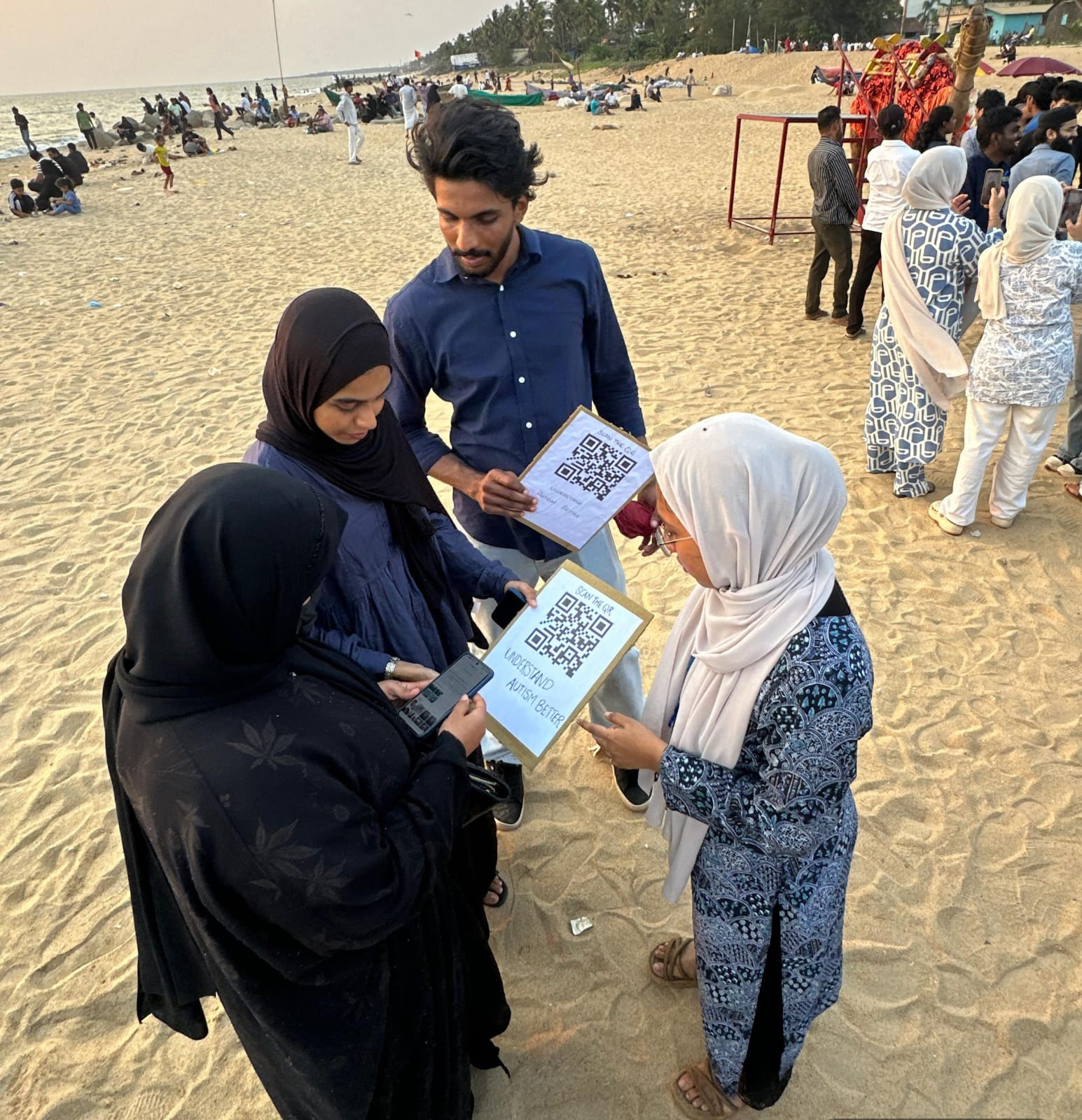
The event included activities such as flash mobs, street plays, face painting, mehendi, and direct interaction with the public.
These activities focused on highlighting early signs of autism, the need for early intervention, and the importance of inclusion and acceptance of individuals with autism.
The campaign reached around 300 to 500 members of the public. It also provided students with practical exposure to community-based rehabilitation and public health education.
As part of the initiative, QR-based digital resources were introduced to help the public access reliable information on autism.
“Awareness is the first step towards inclusion, and early intervention can significantly improve outcomes,” the organising team said.
The department thanked the university for its support in organising the campaign. It also acknowledged the cooperation of the management of Fiza Mall and the Ullal Beach Police Department in facilitating the event.