Kohli emulates Sir Don with 29th Test hundred in India's 438; Windies batters fight back

Port of Spain (PTI): Virat Kohli equalled Sir Don Bradman's record of 29 hundreds in India's commendable first innings score of 438 but their bowlers found it a tough grind as West Indies ended second day on 86 for 1 in the second Test here.
Kohli, who missed out on a hundred in the previous Test, made amends with a polished 121 in 206 balls, his 76th hundred in 500 international appearance.
In the process, Kohli also added 159 runs for the fifth wicket with Ravindra Jadeja (61 off 152 balls), who also scored his 19th half-century in Tests.
Ravichandran Ashwin (56 off 78 balls), with four hundreds against the same opposition, did look comfortable against both spin and pace as he played some adventurous ramp shots off Kemar Roach to help himself to a half-century and take his team closer to 450.
West Indies openers displayed a solid defensive game before Jadeja (1/12 in 10 overs) prevailed after playing with young Tagenarine Chanderpaul's (33 off 95 balls) patience.
The southpaw tried to loft a delivery that landed on the rough and the thick outside edge was taken at point by his spin bowling partner Ashwin.
However, the pitch, which is getting slower with the passage of time, didn't have much for the bowlers as the new Dukes ball was changed at least thrice in the first 20 overs on the insistence of the Indian team which found it going out of shape.
The change of ball didn't bring any change in fortune for the Indian bowlers as the dependable West Indies skipper Kraigg Brathwaite (37 batting, 128 balls) and stodgy Chanderpaul survived nearly 35 out of 41 overs without much difficulty.
They mostly defended with a few boundaries in between. Brathwaite had debutant Kirk Mckenzie (14 batting, 25 balls) for company.
There was no carry off the surface and the inexperienced pace attack of Mohammed Siraj (0/23 in 7 overs), Jaydev Unadkat (0/12 in 6 overs) and Mukesh Kumar (0/10 in 4 overs) couldn't produce anything 'out of the box' on a literally dead track.
Ashwin (0/29 in 14 overs) and Jadeja were certainly better bets for providing breakthrough but the West Indies opening duo gave a much better account of themselves compared to Dominica Test. There was no turn on offer and skipper Rohit Sharma would expect that pitch would do some trick to aid his slow bowlers on the third day.
Kohli's first overseas ton in nearly five years
The first session of the second day undoubtedly belonged to Kohli, who was hardly troubled by any of the West Indies pacers, having taken 77 runs in singles, doubles and triples apart from the 11 boundaries in his innings.
Starting the day at 87, Kohli reached his century in the first half an hour while dispatching a Roach delivery wide of point with a stretched square drive. The wide grin while raising his bat and then taking a bow said it all.
The satisfaction of scoring his first overseas Test hundred in half a decade was palpable, having last scored a ton on foreign soil in Perth in 2018.
The Queens Park Oval track is certainly way better for strokeplay compared to first Test venue of Windsor Park in Dominica. One could hit through the line even though there were deliveries that were gripping off the surface and some that stopped and came onto the bat.
Kohli's greatness lay in his game awareness as the cornerstone of his innings was 45 singles and 13 doubles in energy sapping conditions.
He would be pleased because as many as nine of his 11 boundaries were hit on the off-side with the signature cover drive coming out of his closet time and again.
To his relief, the absence of off-break Rahkeem Cornwall did make things a bit easier as left-arm spinner Jomel Warrican (3/89 in 39 overs), despite his restrictive lines, did not get a lot of purchase off the surface.
Most of the deliveries come in with the angle and it was easier to just tickle it off his hips for singles and doubles.
Kohli got an able ally in Jadeja, who got another half-century and reaffirmed his status as a batting all-rounder in overseas conditions.
Once he was run-out and Jadeja also followed him after being rightly given out by TV Umpire despite DRS replay glitch, Ashwin was the lone ranger with a well-compiled fifty.
One person who would be disappointed will be Ishan Kishan (25), who played a tame shot after getting set and lost out on gaining a clear advantage over Kona Bharat.
Let the Truth be known. If you read VB and like VB, please be a VB Supporter and Help us deliver the Truth to one and all.
Yenepoya University conducts autism awareness campaign in Mangaluru

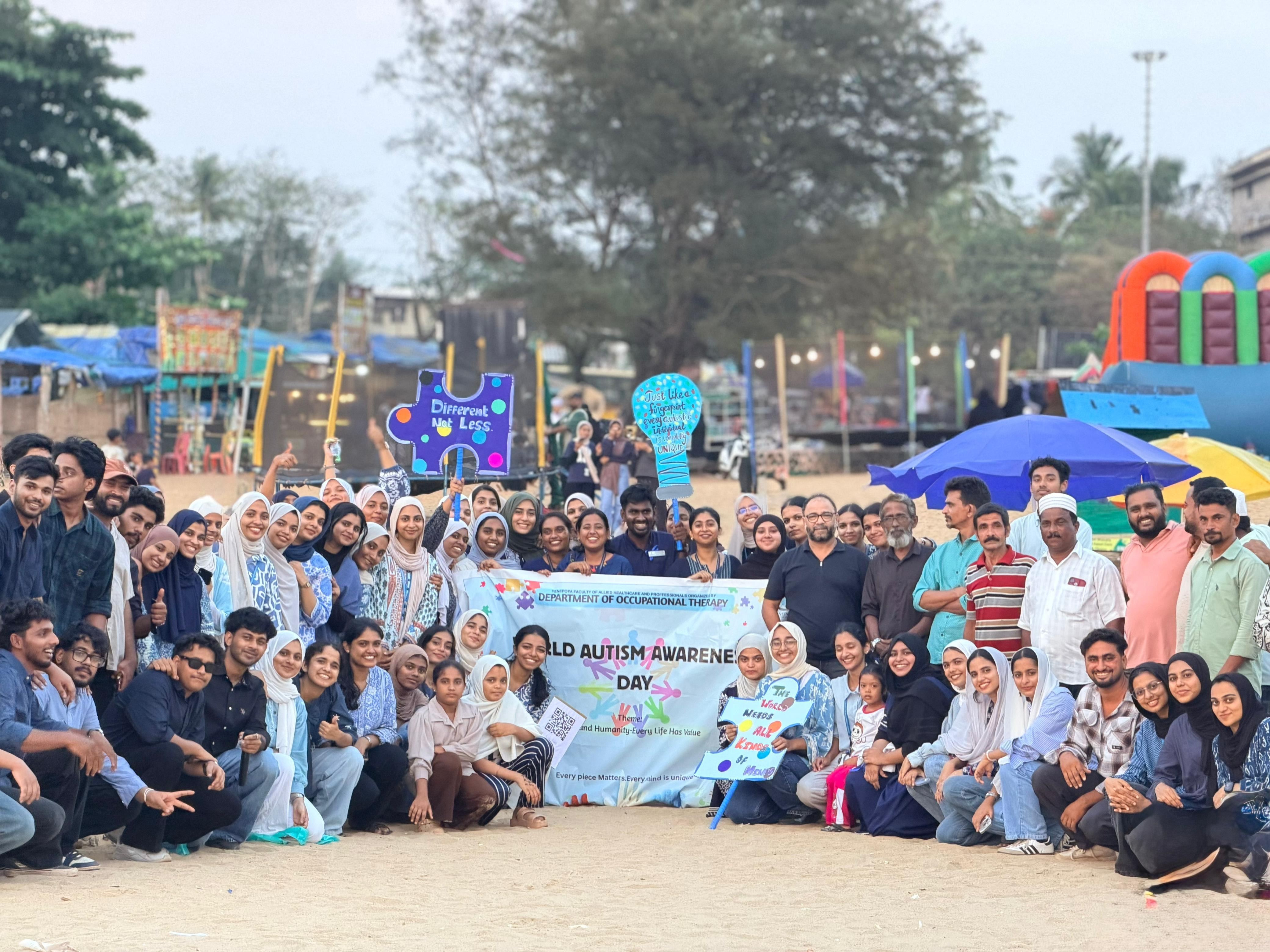
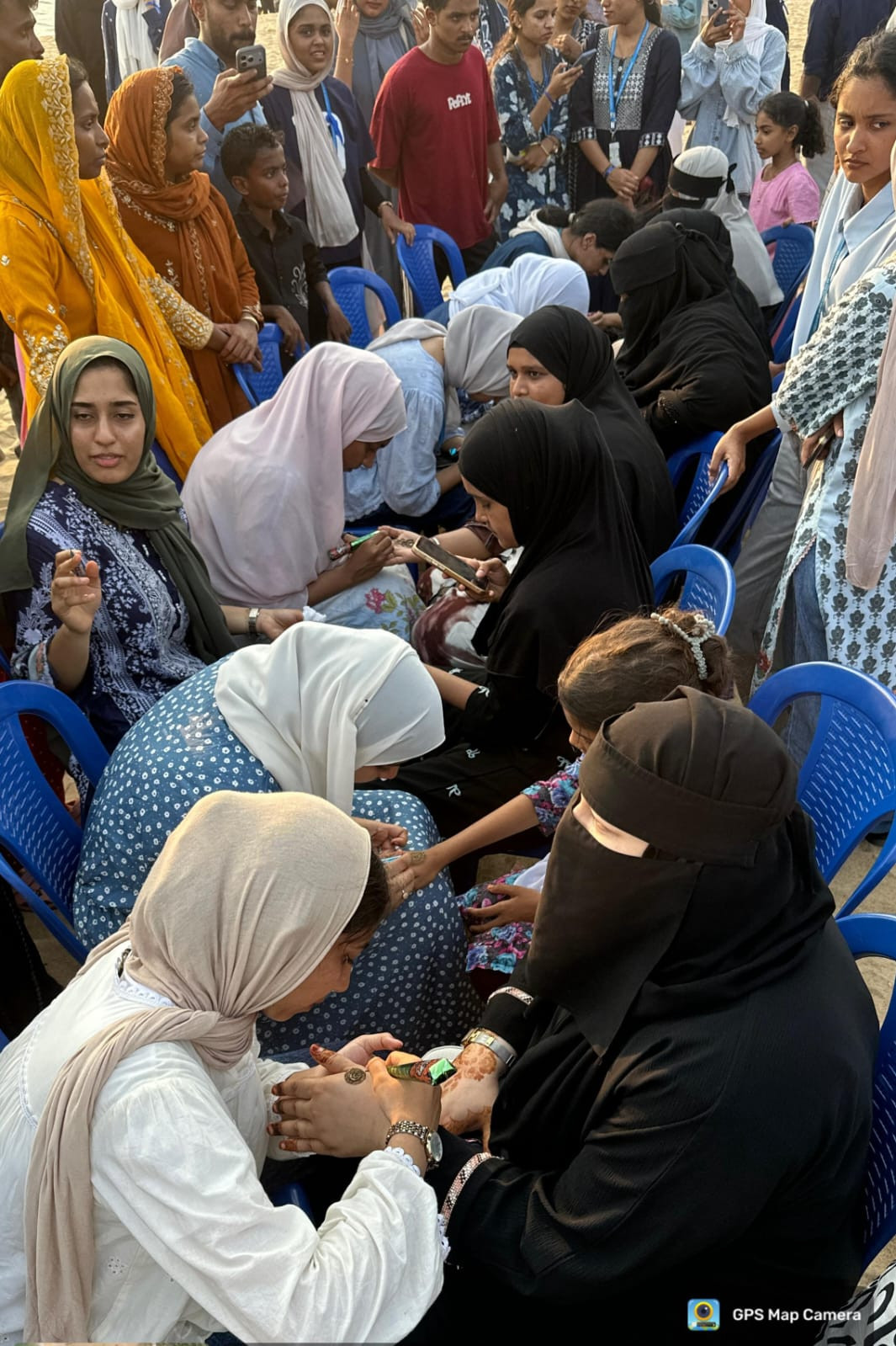
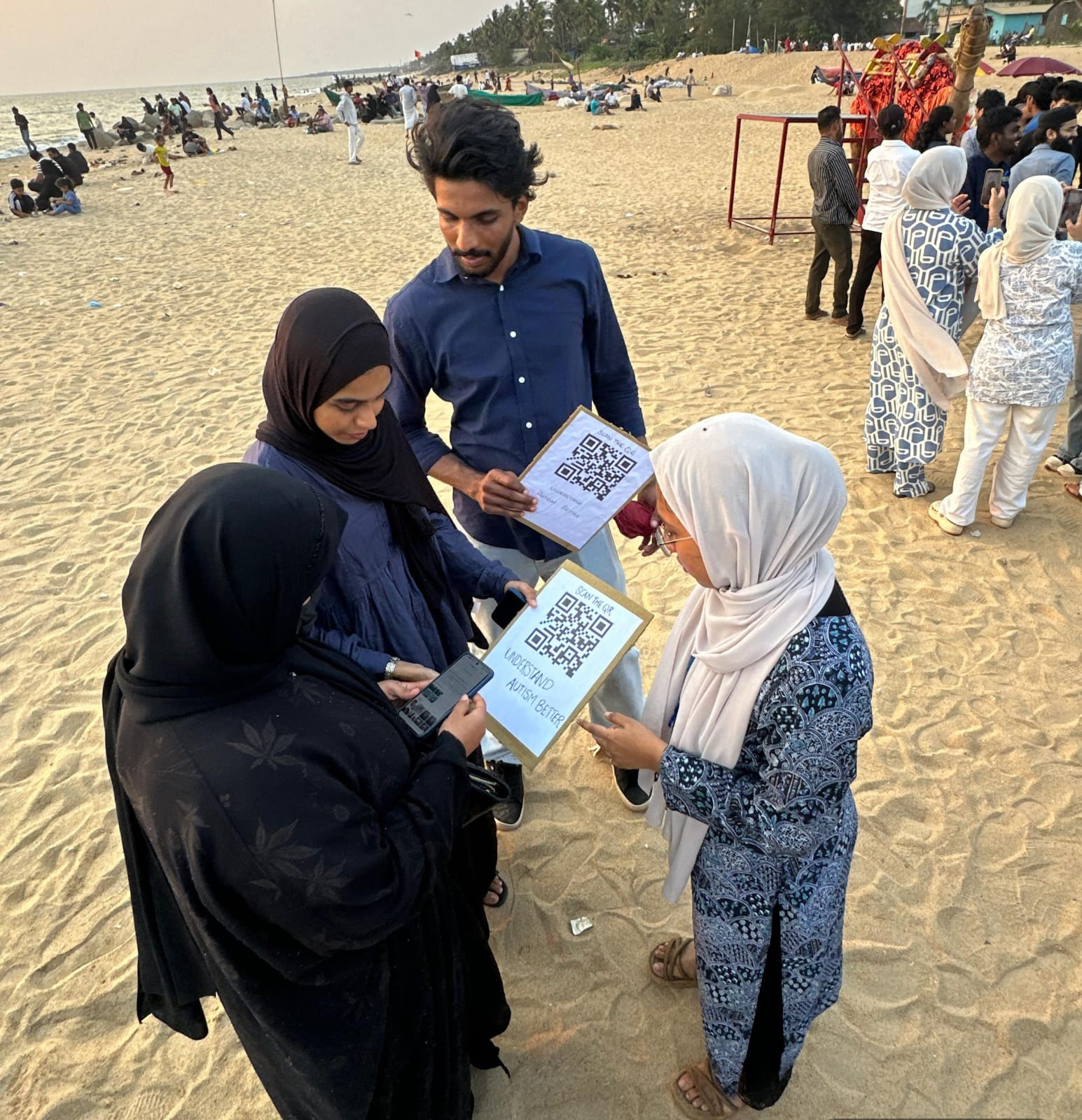
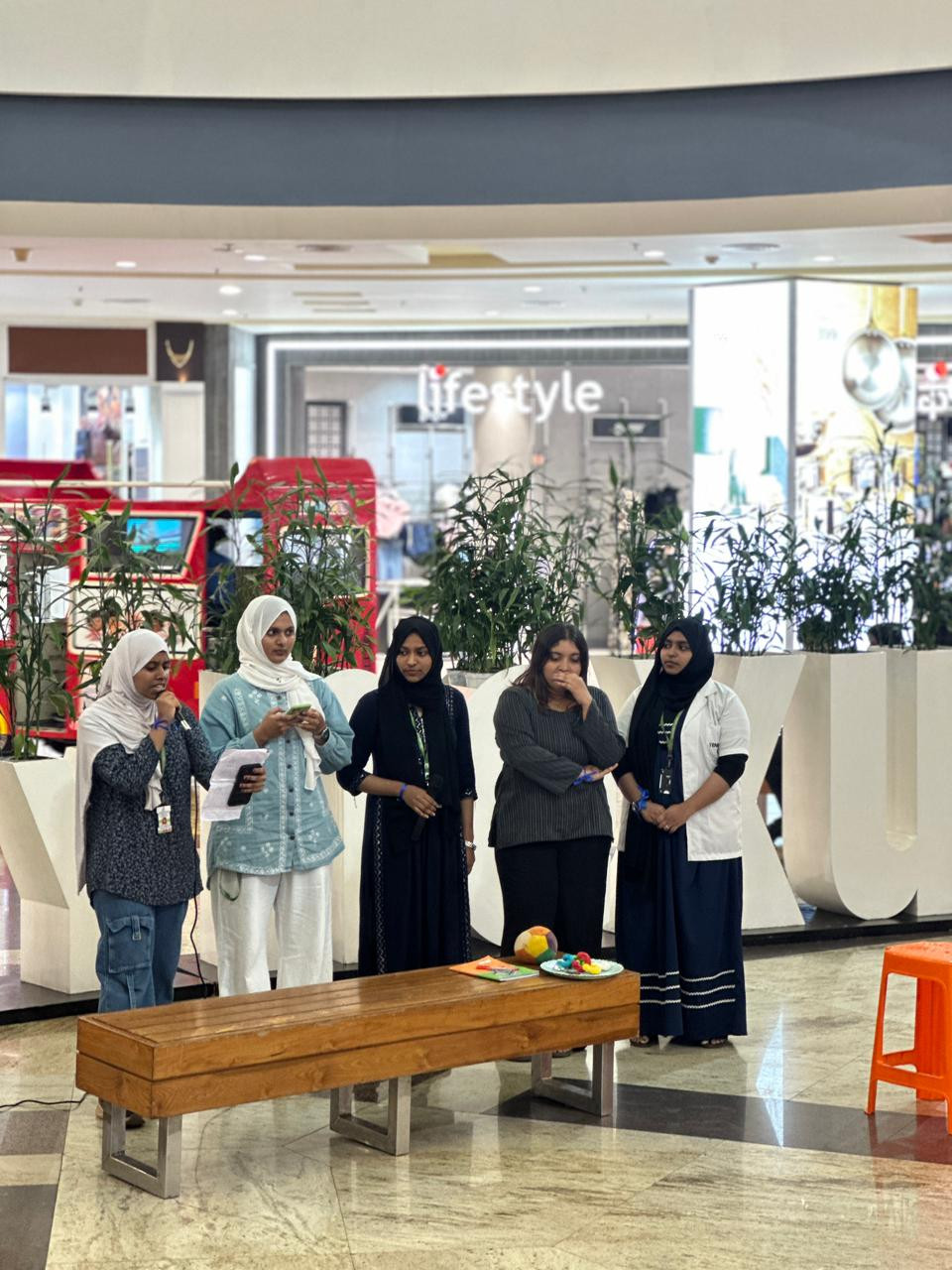
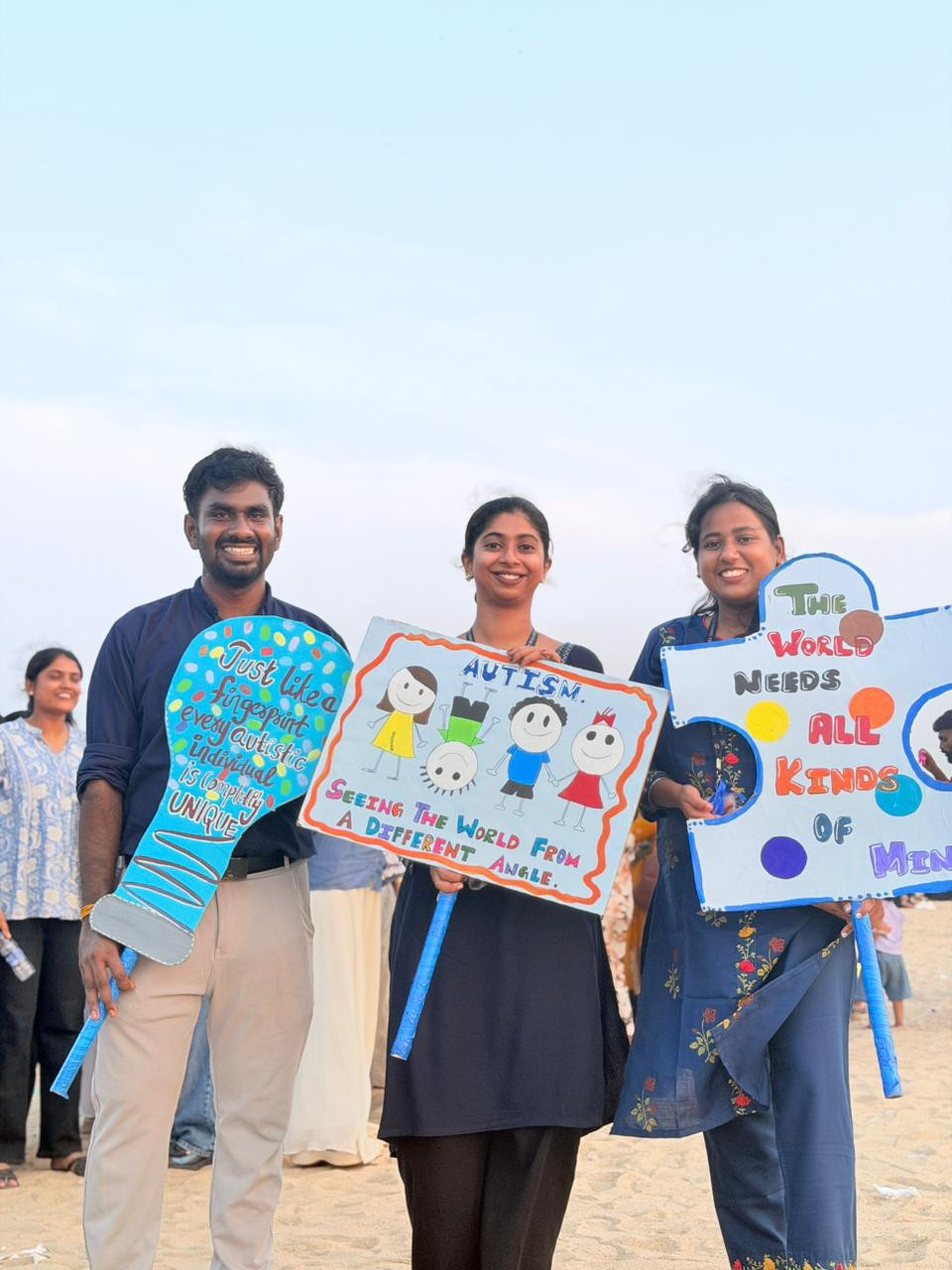
Mangaluru: The Department of Occupational Therapy at Yenepoya (Deemed to be University) conducted a community-based Autism Awareness Campaign at Fiza Mall and Ullal Beach in the city.
The campaign was aimed at promoting awareness, inclusion, and early identification of autism, in line with the global theme, “Autism and Humanity – Every Life Has Value.”
The programme was led by Dr. Dhayanithi K and Dr. Ananya Jana as organising chairpersons, with Dr. Anas, Dr. Amanda S. Phillip, and Dr. Ansu V. David served as organising members.
Students of the Bachelor of Occupational Therapy (BOT) programme participated in conducting the campaign.
The event included activities such as flash mobs, street plays, face painting, mehendi, and direct interaction with the public.
These activities focused on highlighting early signs of autism, the need for early intervention, and the importance of inclusion and acceptance of individuals with autism.
The campaign reached around 300 to 500 members of the public. It also provided students with practical exposure to community-based rehabilitation and public health education.
As part of the initiative, QR-based digital resources were introduced to help the public access reliable information on autism.
“Awareness is the first step towards inclusion, and early intervention can significantly improve outcomes,” the organising team said.
The department thanked the university for its support in organising the campaign. It also acknowledged the cooperation of the management of Fiza Mall and the Ullal Beach Police Department in facilitating the event.