Lanka now safe, all extremists linked to Easter bombings killed or arrested: Security authorities

Colombo:All the extremists involved in the Easter suicide bombings are either killed or arrested, Sri Lankan police and military chiefs have claimed, assuring that the country is now safe and can get back to normalcy.
The tri-forces commanders and the police chief, addressing a press conference on Monday night, said the security of the country following the April 21 bombings that left 257 people dead has been ensured with adequate measures and steps have been taken to implement a special security plan.
Acting Inspector General of Police (IGP) Chandana Wickremaratne said that all those directly linked to the attacks on three churches and three luxury hotels have been arrested or were killed.
He also said that all the explosives believed to be linked to National Thowheeth Jama'ath (NTJ), blamed for the attacks, have been found.
"All explosives possessed by the terrorist group has been seized. Almost everyone identified with the group have been arrested. Two of their bomb experts have died in the clashes. The police can happily announce that everyone with direct links have been either arrested or killed by now," Wickremaratne said.
Wickramaratne did not say how many people have been arrested over the bombings, but police spokesman Ruwan Gunasekera on Monday said that 73 people, including nine women, were arrested and being questioned by the CID and the Terrorist Investigation Department (TID).
The police spokesman also said the Criminal Investigation Department (CID) identified more than Rs 140 million cash and other assets worth over Rs 7 billion belonging to the NTJ.
The Islamic State terror group claimed the attacks, the island nation's worst, but the government blamed ISIS linked local extremist group NTJ.
Wickramaratne, who was named acting police chief last week after President Maithripala Sirisena suspended his predecessor over his failure to act on intellegence warnings about the attacks, said the country can now get back to normalcy with the lifting of curfews imposed after the attacks.
Wickramaratne urged the public not to be misled by unverified reports. The government reopened schools on Monday, but attendance dropped to below 10 per cent in many places with parents still fearing attacks.
Wickremeratne said a joint security operation with schools authorities are underway. He pointed to unverified security fears spread through social media as the cause for unfounded security concerns.
Army chief Lt Gen Mahesh Senanayake said the military has taken steps to ensure national security under the emergency regulations. He said that over the past two weeks normalcy was returning to the country and the public must not be misled by false claims.
All security measures to ensure safety in the country has been taken. The security forces were empowered by the emergency regulations since the attacks," Lt Gen Senanayake said.
The Army chief urged the public to return to their day to day activities. The tourism industry leaders have urged the government to make strong measures to enable the industry to revive following the Easter Sunday attacks on three leading hotels.
The suicide bombers attacked breakfast rooms of the Shangri La, The Cinnamon Grand and the Kingsbury Hotels. The attacks in which 44 foreigners including 11 Indians were killed prompted adverse travel advisories.
At the moment most bookings are cancelled, with less than 10 per cent of occupancy we are in trouble," Hoteliers Association president Sanath Ukawatta said. The government has already decided on a package of concessions to the tourism industry which contributes 5 per cent of the island's GDP.
The Tourism Authority said the total number of tourist arrivals during April was 166,975. This is an year on year decline of 7.5 per cent as the arrivals were 180,429 in April 2018.
Let the Truth be known. If you read VB and like VB, please be a VB Supporter and Help us deliver the Truth to one and all.
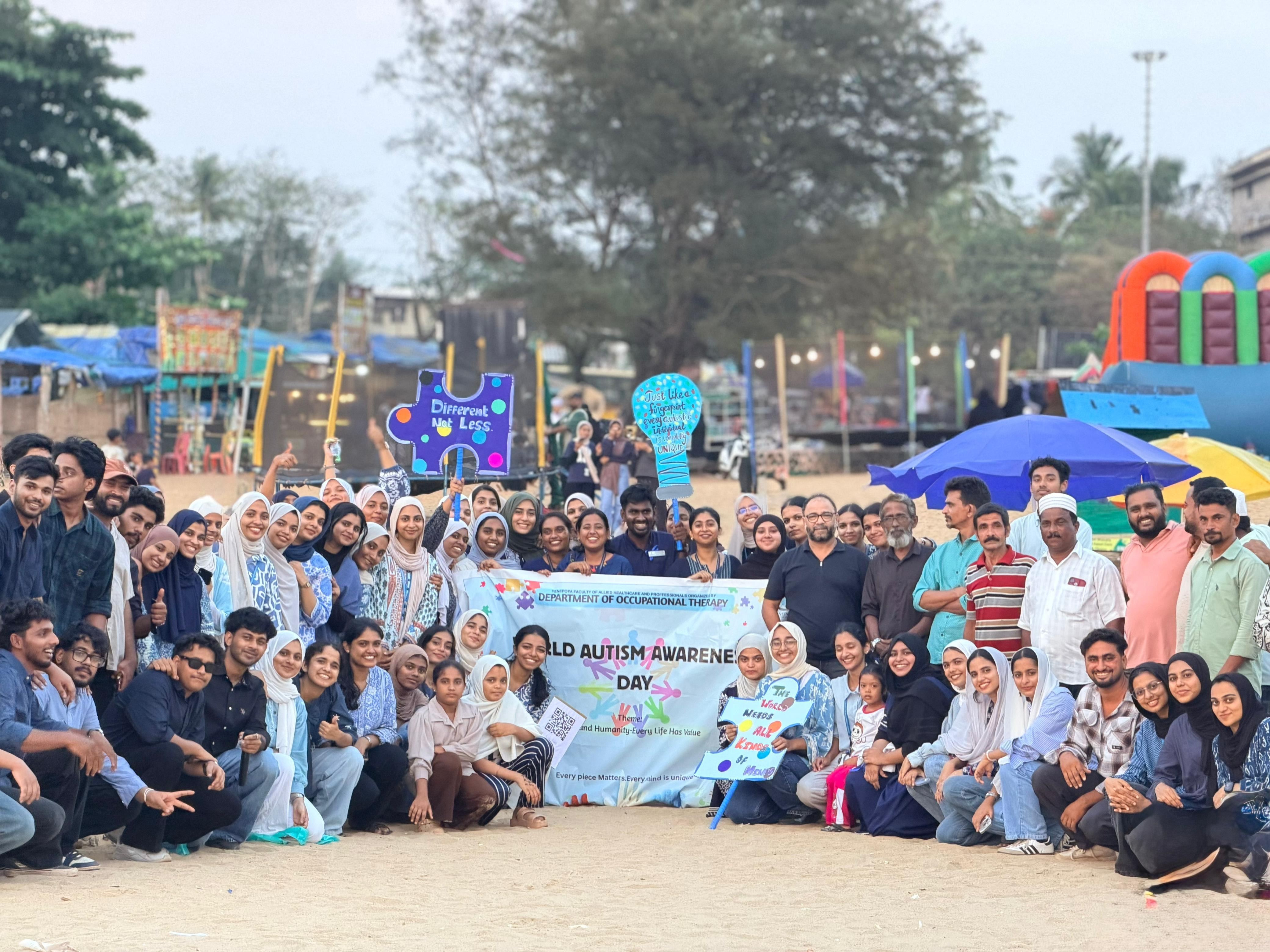
Yenepoya University conducts autism awareness campaign in Mangaluru

Mangaluru: The Department of Occupational Therapy at Yenepoya (Deemed to be University) conducted a community-based Autism Awareness Campaign at Fiza Mall and Ullal Beach in the city.
The campaign was aimed at promoting awareness, inclusion, and early identification of autism, in line with the global theme, “Autism and Humanity – Every Life Has Value.”
The programme was led by Dr. Dhayanithi K and Dr. Ananya Jana as organising chairpersons, with Dr. Anas, Dr. Amanda S. Phillip, and Dr. Ansu V. David served as organising members.
Students of the Bachelor of Occupational Therapy (BOT) programme participated in conducting the campaign.
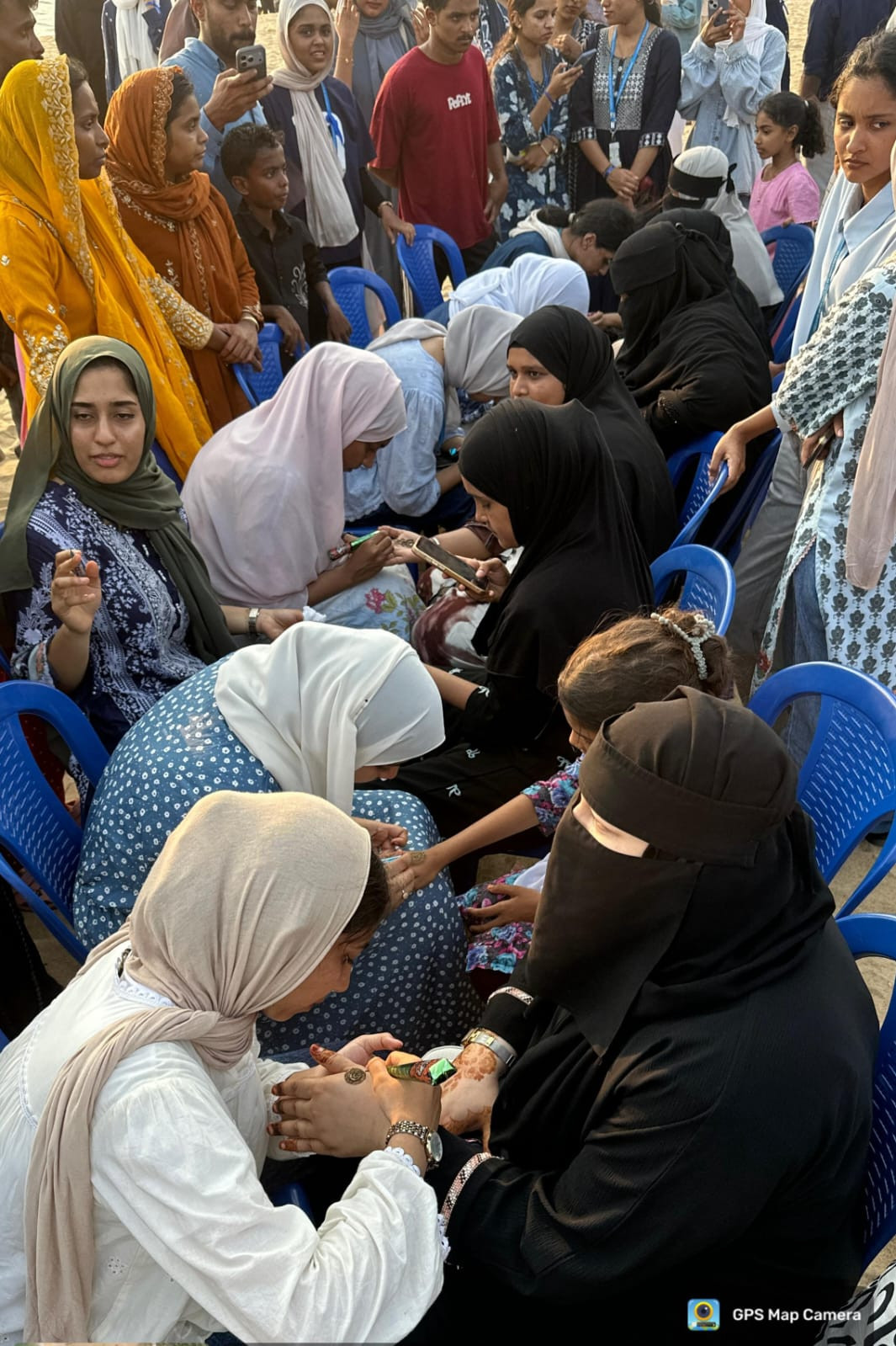
The event included activities such as flash mobs, street plays, face painting, mehendi, and direct interaction with the public.
These activities focused on highlighting early signs of autism, the need for early intervention, and the importance of inclusion and acceptance of individuals with autism.
The campaign reached around 300 to 500 members of the public. It also provided students with practical exposure to community-based rehabilitation and public health education.
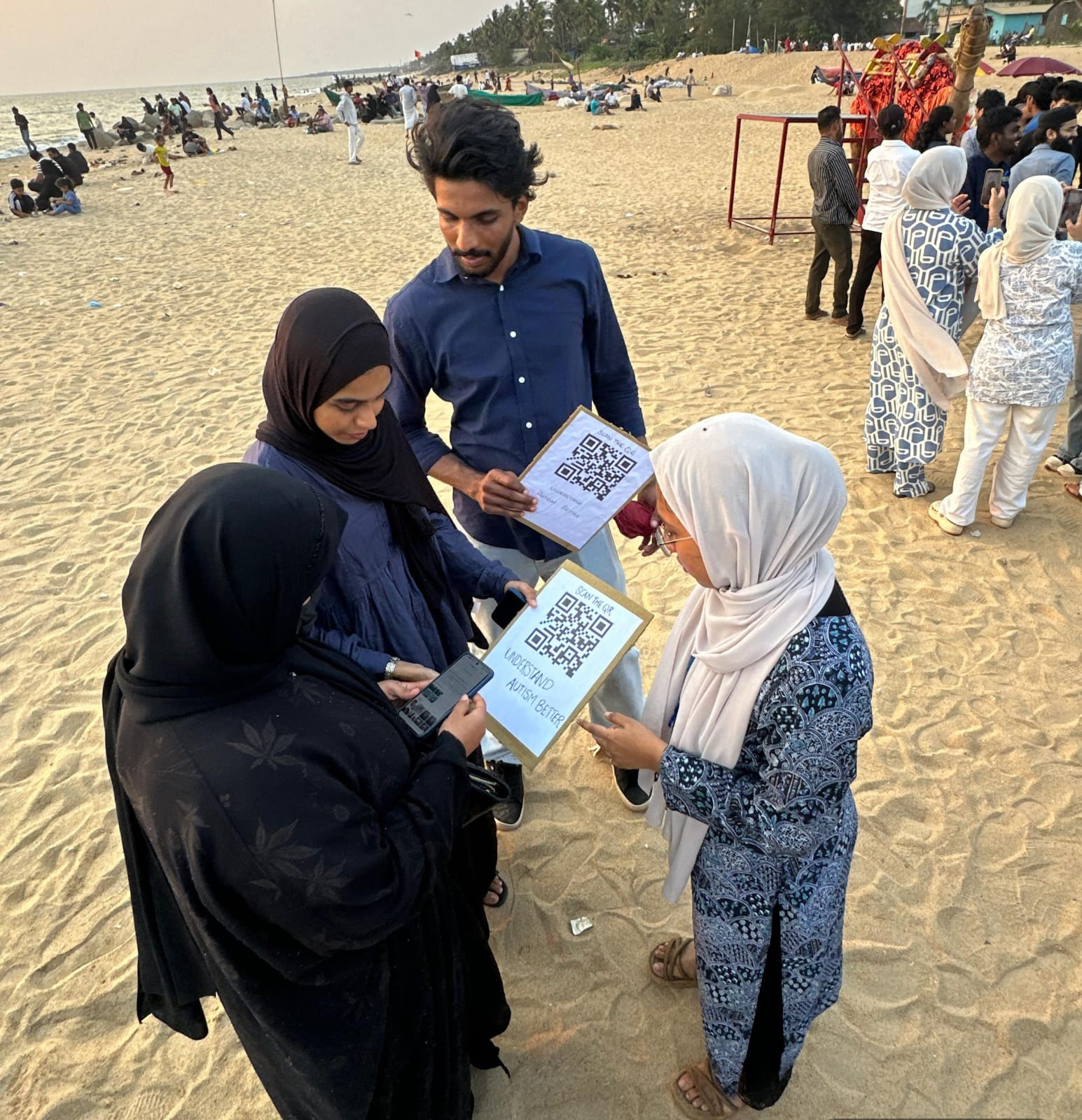
As part of the initiative, QR-based digital resources were introduced to help the public access reliable information on autism.
“Awareness is the first step towards inclusion, and early intervention can significantly improve outcomes,” the organising team said.
The department thanked the university for its support in organising the campaign. It also acknowledged the cooperation of the management of Fiza Mall and the Ullal Beach Police Department in facilitating the event.