18 dead, 6 critically injured in Andhra Pradesh cracker unit explosion
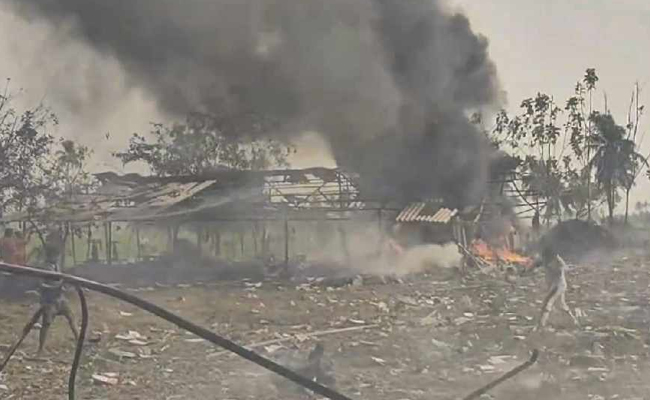
Vetlapalem (Andhra Pradesh) (PTI): Andhra Pradesh Home Minister Vangalapudi Anitha said 18 people died and six were critically injured in the cracker unit blast here in Kakinada district on Saturday.
The intensity of the explosion at Vetlakpalem village in Samarlakota mandal was so strong that the bodies were flung into nearby paddy fields, said a police official.
"So far, we have information that 18 people were killed and six critically injured. I am on my way to the spot," Anitha told PTI
An investigation is going on into the cause of the fire, which led to the blast, police officials said.
Kakinada Government General Hospital superintendent said the hospital received seven patients with burns ranging from 90 to 100 per cent. He said they are under treatment.
Chief Minister N Chandrababu Naidu expressed sadness over a large number of cracker manufacturing workers losing their lives at Surya Fireworks, said an official press release.
"The explosion at a crackers manufacturing unit at Vetlapalem village in Kakinada district has really pained me. Multiple people losing their lives in this accident is sad," said Naidu in a post on X.
Horrifying scene played out amid lush green paddy fields as locals were seen shifting bodies in 'barakalu', sheets made of fertiliser bags.
Fire and smoke emanated from the blast site, and an ambulance rushed to rescue the injured.
Naidu said he spoke to officials over the accident and directed them to extend immediate help to the victims.
We are monitoring the rescue efforts and will come to the aid of the affected families, he said.
Up to 20 people were working in the crackers unit when the blast occurred.
Naidu directed senior officials and ministers to visit the accident site.
Police have deployed drones to locate body parts that were flung into nearby agricultural fields.
Let the Truth be known. If you read VB and like VB, please be a VB Supporter and Help us deliver the Truth to one and all.
What is Iran’s 10-point plan? Key demands ahead of US talks in Islamabad
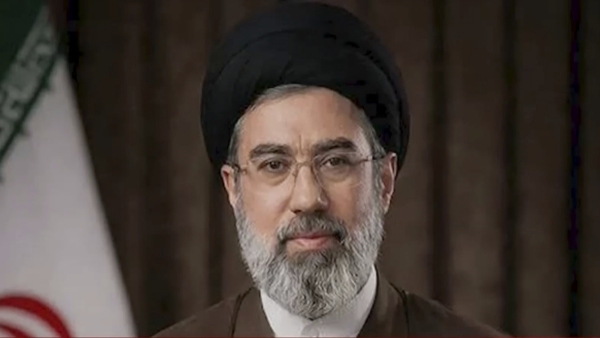
Tehran/Islamabad: Iran has outlined a 10-point plan as the basis for upcoming talks with the United States, expected to begin in Islamabad on April 11, according to a statement from the Iranian Supreme National Security Council.
The plan lays out Tehran’s key political, military and economic demands, and is being seen as a framework for negotiations following the recent escalation in the region.
Strait of Hormuz at the centre
A major focus of the plan is the Strait of Hormuz, a critical global shipping route. Iran has proposed “controlled passage through the Strait of Hormuz in coordination with the Iranian armed forces,” which it says would give the country a unique economic and geopolitical position.
The plan also calls for the “establishment of a safe transit protocol” in the Strait that would guarantee Iran’s dominance under an agreed mechanism.
Call to end conflict
Iran has demanded “the necessity of ending the war against all elements of the axis of resistance,” signalling its expectation that hostilities should stop not only in Iran but also involving allied groups in the region.
US troop withdrawal
Another key demand is the “withdrawal of US combat forces from all bases and deployment points in the region,” indicating Tehran’s long-standing position against American military presence in West Asia.
Sanctions relief and compensation
The plan places strong emphasis on economic measures. It calls for “full payment of Iran’s damages according to estimates,” along with “the lifting of all primary and secondary sanctions and resolutions of the Board of Governors and the Security Council.”
It also seeks “the release of all Iranian assets and properties frozen abroad,” which have been a major point of contention for years.
Binding global guarantee
Finally, Iran has demanded that all these terms be formally recognised through “a binding Security Council resolution,” suggesting it wants international legal backing to ensure enforcement.
What this means
The 10-point plan reflects Iran’s broader push for security guarantees, economic relief and regional influence. The upcoming talks in Islamabad are expected to test how far both sides are willing to negotiate on these demands.