2 men rape 19-yr-old student in Mumbai after spiking her drink; arrested
Mumbai (PTI): Two men allegedly raped a 19-year-old college student at the Bhabha Atomic Research Centre (BARC) quarters in Mumbai after spiking her drink, police said on Sunday.
The incident took place in Chembur Postal Colony area on the intervening night of Wednesday-Thursday, an official said, adding both the accused have been arrested.
The victim was staying in the quarters allotted to her father, who works at the BARC. Her father stays in a different place due to work responsibilities, he said.
One of the accused, aged 26, stays in the same building as his father also works with the BARC. The accused and the victim knew each other, the official said.
As the family members of the accused had gone out, he invited a male friend at his residence on Wednesday night.
The accused required an induction cooking system to prepare food. He called the victim to get an induction cooking appliance from her place, the official said.
The victim went to the house of the accused, remained there for some time and chatted with the accused and his friend.
Later, the accused offered her a soft drink which was spiked. After consuming the drink, the victim fell unconscious, the official said.
The accused and his friend then allegedly raped her, he said.
The victim regained consciousness in the early hours and after realising the offence was committed on her, she informed about it to some people in neighbourhood and her family members and also approached the Chembur police station with a complaint.
Based on the complaint, an FIR was registered against the 26-year-old man and his 30-year-old friend, resident of Govandi area, under various Indian Penal Code section including 376 (rape), 376 (d) (gang rape), 328 (causing hurt by means of poison) and 34 (common intention) and they were arrested, the official said.
The two accused are currently in police custody, he added.
Let the Truth be known. If you read VB and like VB, please be a VB Supporter and Help us deliver the Truth to one and all.
Three private doctors arrested in illegal scanning case involving 31 minor pregnant girls in KR Pet
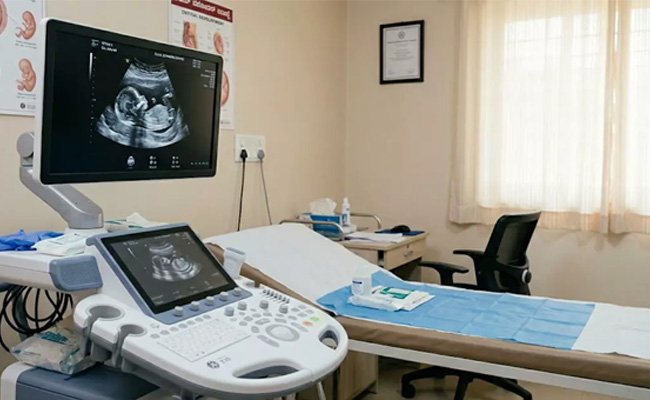
Mandya: Police on Tuesday arrested three private doctors in connection with a case involving alleged illegal scanning of 31 minor pregnant girls at a private diagnostic centre in KR Pet. The accused were later remanded to judicial custody.
The arrested doctors have been identified as Dr. Divyachetan of Chetana Maternity Centre, Dr. Harshit of Navi Diagnostic Centre, and Dr. Harish of Kushal Diagnostic Centre.
Police said Priyanka, a gynaecologist attached to a government hospital, is absconding and efforts are under way to trace her.
The case came to light after Karnataka Lokayukta Police recently conducted raids, during which illegal sex determination tests on minor pregnant girls were allegedly detected at two diagnostic centres in KR Pet town.
Following the raids, District Health and Family Welfare Officer Dr. Mohan, Deputy Director of the Women and Child Development Department P.S. Asha, and District Child Protection Officer Rashmi inspected several diagnostic centres and filed cases at KR Pet Town and Rural police stations.
According to the allegations, Navi Diagnostic Centre conducted scans on 24 minor pregnant girls, including 19 cases in 2024 and five in 2025. Kushal Diagnostic Centre is accused of conducting scans on seven minor pregnant girls.
Meanwhile, Deputy Commissioner Dr. Kumar has directed taluk vigilance committees to inspect all 63 ultrasound scanning centres in the district and submit reports within 10 days.
Officials said the Tahsildar of each taluk has been appointed chairperson of the respective committee.