60-70 per cent voter turnout in first phase of Chhattisgarh polls
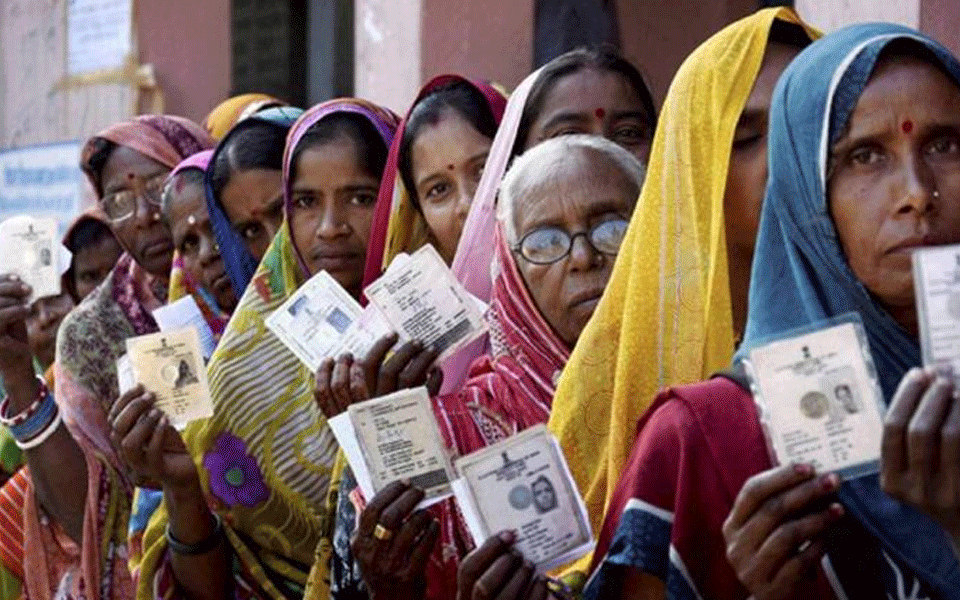
Raipur, Nov 12: A voter turnout of between 60-70 per cent was recorded Monday in the first phase of elections in Chhattisgarh covering 18 assembly segments of the Naxal-hit Bastar division and Rajnandgaon district, officials said.
There were three encounters between security personnel and Naxals, and an IED blast in the districts that went to the polls during the day but the voting process, held under heavy security cover, was not affected, they said.
The Election Commission, at a press conference in New Delhi, said 70 per cent turnout was recorded in phase one of Chhattisgarh polls. However, Chhattisgarh chief electoral officer Subrat Sahoo, told reporters at Raipur later that 60.49 per cent turnout was recorded, adding the figure may go up.
Prominent among the 190 candidates in the first phase of polling was Chief Minister Raman Singh (Rajnandgaon).
"An average voting turnout of 60.49 per cent was recorded in 18 constituencies which went to polls on Monday.
This is an interim figure while the final (percentage of) turnout may rise," Sahoo said.
Around 52 per cent turnout was recorded in 10 segments till 3 pm where polling time was from 7 am to 3 pm. In rest of the constituencies, where poling time was from 8am to 5pm, the turnout was 70.08 per cent till 5 pm, he said.
"The final turnout will be declared once final reports are received from all constituencies," he said.
Polling in 10 constituencies - Mohla-Manpur, Antagarh, Bhanupratappur, Kanker, Keshkal, Kondagaon, Narayanpur, Dantewada, Bijapur and Konta -- concluded at 3 pm amid tight security.
In the other eight segments - Khairgarh, Dongargarh, Rajnandgaon, Dongargaon, Khujji, Bastar, Jagdalpur and Chitrakoot -- the polling process ended at 5 pm.
Five personnel of the Commando Battalion for Resolute Action (CoBRA), an elite unit of the Central Reserve Police Force, were injured in two separate encounters with ultras in Pamed police station area of Bijapur district, police said.
Two Naxals were gunned down in an encounter with security forces in Sukma district, they said.
An improvised explosive device (IED) was detonated by Naxals early Monday in Katekalyan area of Dantewada district, police said. No one was injured, they added.
Four IEDs - two each in Kanker and Bijapur - were also recovered, an official said.
In remote Naxal-affected areas, the polling received a good response from voters who appeared excited to exercise their franchise, Sahoo said.
The Chintagufa polling booth within the Konta assembly constituency in Sukma district reported 68 per cent polling, he said.
After 15 years, polling was held for the first time in Palam Adgu village of Sukma district, he said.
Similarly, polling was held for the first time in remote Nilawaya and Moolar villages in Dantewada district where 19 and 10 voters respectively exercised their electoral rights, he said. "It reflects faith of people on this festival of democracy," he added.
A surrendered Naxal couple, Mainuram and his wife Rajbati, also voted in the Narayanpur assembly segment.
In Kanker constituency, a polling booth was shifted from Amapani to nearby Thema village due to Naxal problem, Sahoo said.
This booth was shifted in the last polls in 2013 also but villagers boycotted voting this time citing shifting of the booth, he said.
Forty-six polling parties, comprising 197 polling members, were ferried from polling booths to their respective district headquarters by helicopters after the voting ended, he said. The remaining 171 polling parties would be airlifted Tuesday, he added.
During the polling, 53 ballot units, 47 control units and 84 VVPATs of EVMs were replaced due to technical snag, he added.
As many as 4,341 polling booths were set up and 19,079 polling personnel deployed for the first phase, he said.
Over 1.25 lakh police and paramilitary personnel were also deployed in the 18 constituencies falling under Naxal-hit areas of Bastar, Kanker, Sukma, Bijapur, Dantewada, Kondagaon, Narayanpur and Rajnandgaon districts.
Among the prominent candidates in the fray in the first phase were state ministers Kedar Kashyap (Narayanpur) and Mahesh Gagda (Bijapur) and Bharatiya Janata Party's (BJP) Kanker Lok Sabha MP Vikram Usendi (Antagarh).
Nine Congress MLAs were also among the candidates.
Besides the ruling BJP and the main Opposition Congress, the other parties in the fray include Mayawati-led Bahujan Samaj Party (BSP), former chief minister Ajit Jogi's JCC(J) and the Communist Party of India (CPI).
Of the 18 seats, 12 were reserved for Scheduled Tribes (STs) and one was for Scheduled Caste (SC) category.
The second phase of polling in 72 seats, out of the 90-member Assembly, would be held on November 20 and counting of votes would take place on December 11.
Let the Truth be known. If you read VB and like VB, please be a VB Supporter and Help us deliver the Truth to one and all.
Will of people supreme, says Mahua Moitra after BJP's landslide victory in Bengal
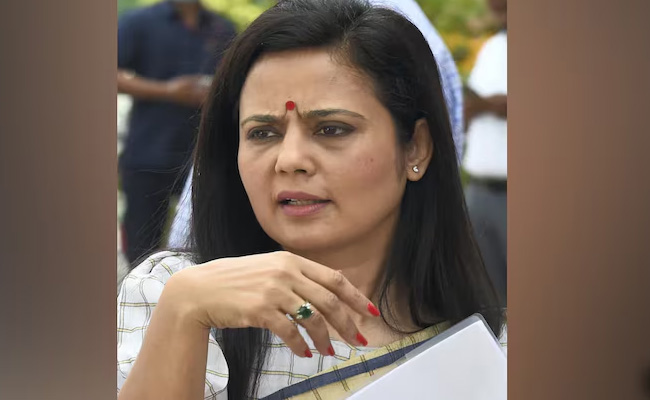
Kolkata (PTI): A day after the Trinamool Congress faced a drubbing by the BJP in the West Bengal assembly elections, TMC MP Mohua Moitra on Tuesday said her party respects the mandate as the will of the people is supreme.
She also said that the party will continue the fight for a “secular country”.
In a post on X, Moitra said, “The will of the people is supreme. If Bengal wanted BJP, then Bengal has got BJP. We respect that.”
The BJP on Monday scripted history by winning 206 seats to secure more than a two-thirds majority in the West Bengal assembly polls, ending the TMC’s 15-year rule.
"We fought the good fight against unimaginable odds on an uneven pitch and for that I am proud of my leader & my party," Moitra said.
She said the TMC will continue to stand and fight for a secular country where the constitution, and "not brute majoritarianism, is the last word”.