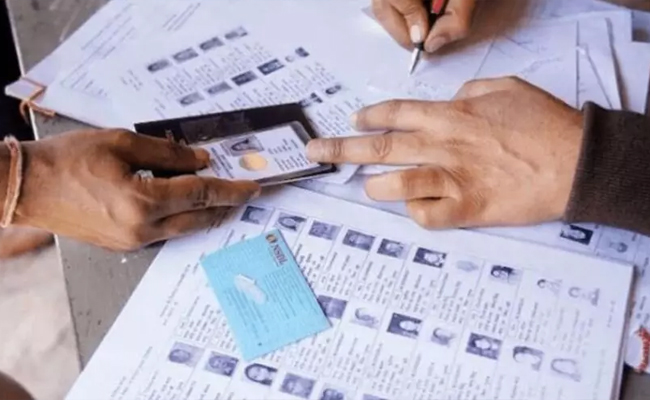
7/11 train blasts: Kin read out HC acquittal order at grave of man who died awaiting justice
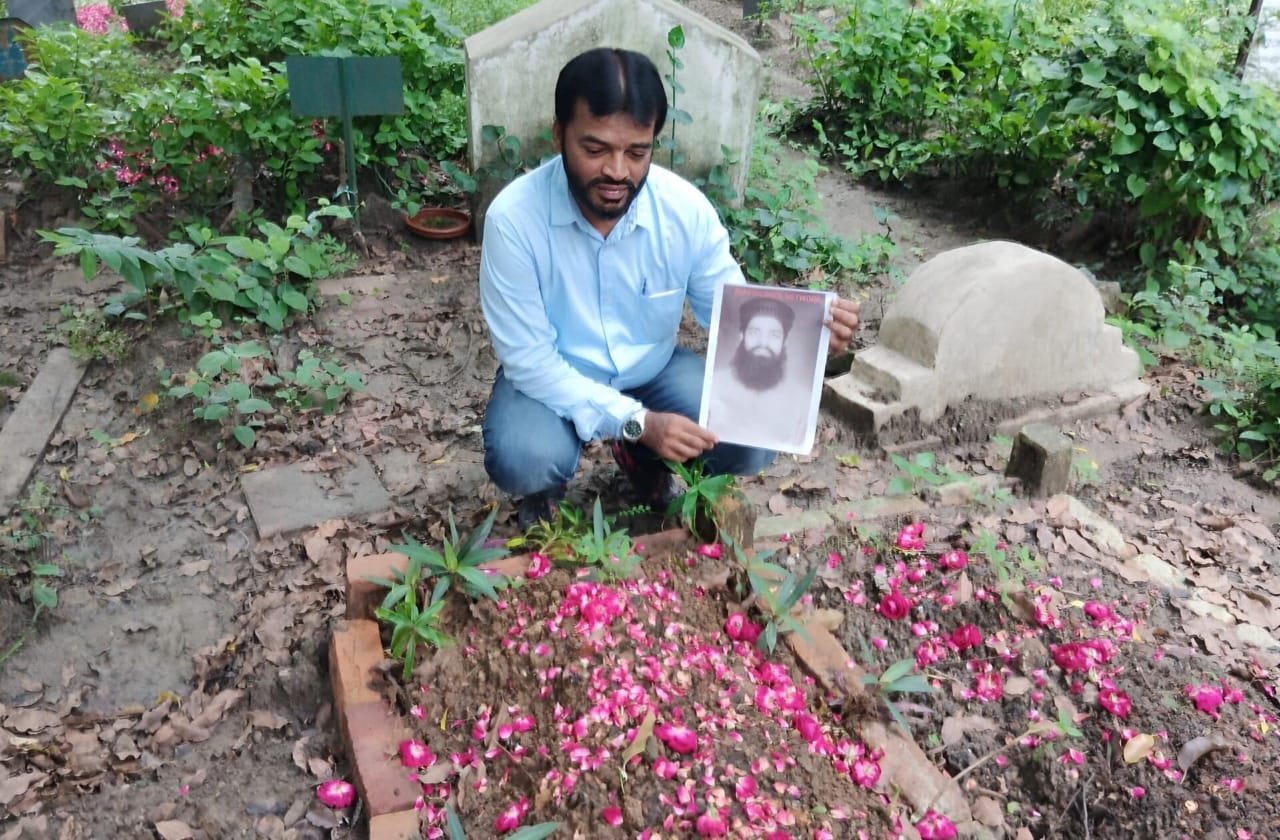
Nagpur (PTI): The family members of Kamal Ahmad Vakil Ahmad Ansari, who died awaiting justice in the 2006 Mumbai train blasts case, have read aloud the Bombay High Court's acquittal order at his grave, publicly affirming that he was innocent.
Ansari's family members and community members visited his grave here on Sunday, asserting he was falsely accused of being involved in the blasts, and demanded accountability from the system.
Nineteen years after seven train blasts killed more than 180 persons in Mumbai, the HC last month acquitted all the 12 accused, including Ansari, saying the prosecution “utterly failed” to prove the case and it was “hard to believe the accused committed the crime”.
However, Ansari could not celebrate his acquittal as he passed away in a Nagpur jail in 2021 during the COVID-19 pandemic. He was buried in Jaripatka Muslim Qabristan in the city.
Dr Abdul Wahid Sheikh, general secretary of Innocence Network, president of Jamiat-e-Ulama Nagpur Qari Sabir and Ansari’s younger brother were among those who visited his grave on Sunday.
Sheikh said they read aloud para 1,486 of the July 21 HC judgment at his resting place, affirming publicly what he had always maintained–that he was innocent.
“Ansari was from Madhubani, Bihar. He ran a small chicken shop, sold vegetables to survive, and worked tirelessly to provide for his five children and wife. Yet, his ordinary life was shattered when the Maharashtra ATS (Anti-Terrorism Squad) picked him up, falsely framed him, and branded him a terrorist,” Sheikh said.
“He languished in prison for 16 years, his dignity stripped, his family stigmatised, and his pleas unheard,” Sheikh said.
The acquittal, four years after Ansari’s death, is a “hollow victory” and a vindication that came too late, he said.
Ansari’s children grew up without a father, his wife carried the burden of stigma, and his family lived with humiliation, he said, adding the judgment cannot return the years he lost, or undo the pain inflicted on his loved ones.
Calling the gathering at Ansari’s grave an act of resistance, Sheikh said those present asserted his innocence, prayed for his soul, and demanded accountability from the system.
“Ansari’s story is not an isolated one but a chilling reminder of how countless innocents are branded as terrorists, locked away for decades, and sometimes die in prison before justice ever reaches them,” Sheikh added.
Seven blasts ripped through Mumbai local trains at various locations on the western line on July 11, 2006, killing more than 180 persons and injuring several others.
In a damning indictment of the prosecution’s case, the high court declared all confessional statements of the accused as inadmissible, suggesting “copying”.
Let the Truth be known. If you read VB and like VB, please be a VB Supporter and Help us deliver the Truth to one and all.
Karnataka School Edu Dept prohibits children from being made to dance to obscene songs
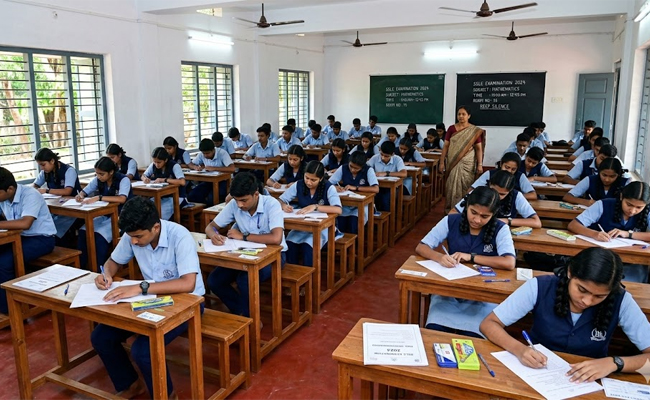
Bengaluru (PTI): The Karnataka School Education Department has issued a circular strictly prohibiting children from being made to dance to obscene songs in educational and cultural programmes.
It stated that such dances would negatively impact students' mental health and moral values. It will create indiscipline and harm the sanctity of education.
"All the Deputy Directors (Administration) of the state's School Education Department have been asked to take strict measures to prevent children or students from dancing to obscene songs in all government, aided and unaided schools in the state," the office of the commissioner of the School Education Department said in a recent circular.
"If it is found that children are being made to dance to obscene songs, appropriate action will be taken against the headmaster or management of such school," it added.
The department also listed certain measures in this regard, which include: strictly prohibiting children from being made to dance to obscene songs during educational and cultural programmes; selecting songs that are inspiring, positive, instilling national pride in children and reflecting the greatness, dignity, values, culture, and morality of the state.
Stating that the school headmaster and management are responsible for selecting songs and dances for cultural programmes, it said, they should also ensure that students wear decent clothes in dance or cultural programmes.