90 newly elected MLAs in Madhya Pradesh face criminal cases

Bhopal (PTI): As many as 90 of the 230 newly elected MLAs in Madhya Pradesh, almost 39 per cent of the assembly strength, have declared criminal cases against themselves, with 34 facing serious charges for which maximum punishment is more than five years in jail among other criteria.
According to the Association for Democratic Reforms (ADR), a not-for-profit organisation, 94 MLAs, or 41 per cent of the total, had declared criminal cases registered against them in 2018, when the previous elections were held.
In 2023, this number has dropped to 90, nearly 39 per cent of the 230-member House, an ADR report said.
The report said of these, 34 legislators are facing serious criminal charges, for which the punishment is more than five years or it is non-bailable among other criteria. In 2018, this number was 47.
Pritam Lodhi, elected on a BJP ticket from Pichhore in Shivpuri district, is the only MLA who is facing charges of murder. Five other newly elected MLAs are facing attempt to murder charges.
Three of the candidates declared criminal cases related to women, the report said.
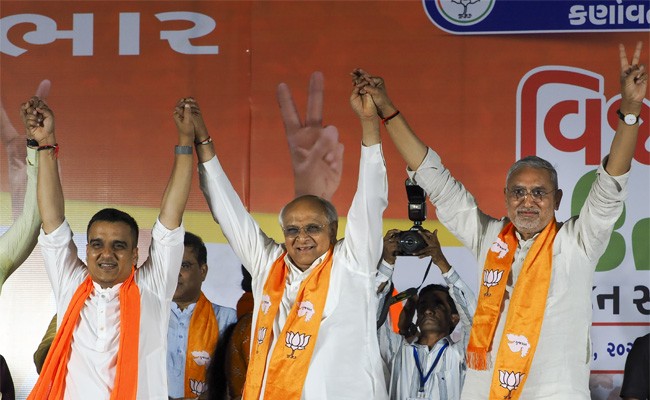
The BJP swept the Madhya Pradesh assembly polls, winning 163 seats, increasing its tally from 109 in 2018. The Congress, which had won 114 seats in 2018, was reduced to 66, while new entrant Bharat Adivasi Party managed to win in one constituency.
As many as 51 out of the 163 BJP legislators are facing criminal cases, 16 of them serious offences. This number for the Congress stands at 38 MLAs, including 17 who are facing serious charges, said the ADR.
The lone winning candidate of the Bharat Adivasi Party is also facing a criminal case.
MP Congress chief Kamal Nath, elected from Chhindwara, has declared two cases of forgery and cheating registered against him in Bhopal and Indore. Charges have not been framed by the court in both the cases, the report said.
No case is pending against Chief Minister Shivraj Singh Chouhan, who was elected from Budhni.
Criteria for serious criminal cases includes the offence for which maximum punishment is of 5 years or more, if an offence is non-bailable, if it is an electoral offence (IPC 171E or bribery), offence related to loss to exchequer, offences that are assault, murder, kidnap, rape related, offence that are mentioned in Representation of the People Act (Section 8), offences under Prevention of Corruption Act and crimes against women, the report stated.
Let the Truth be known. If you read VB and like VB, please be a VB Supporter and Help us deliver the Truth to one and all.
TMC will be voted back to power in Bengal: Tejashwi Yadav
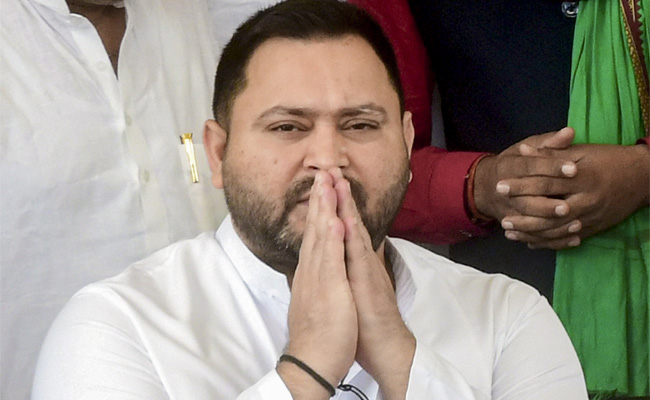
Patna (PTI): Leader of Opposition in Bihar assembly, Tejashwi Yadav, on Tuesday exuded confidence that the Mamata Banerjee-led TMC will again be voted to power in West Bengal.
Yadav returned to Patna after a four-day poll campaign in West Bengal.
“The atmosphere there is euphoric and people want to bring Didi (Mamata Banerjee) back to power. I am fully confident that the TMC will win the election,” he told reporters here.
He said that a large number of people from Bihar living in West Bengal share a lot of love and respect for Mamata Banerjee.
Responding to BJP’s allegations that the TMC had “ruined” West Bengal during its tenure, the RJD leader said the “entire country has been ruined under the Narendra Modi-led government”.
“I want to ask one question to Modi ji – you have been prime minister for more than 11 years, tell me one thing you have done for Bengal,” Yadav said.
The first phase of elections to the 294-member West Bengal assembly was held on April 23, while the second phase will take place on April 29. Votes will be counted on May 4.