Ahead of General Elections, prominent Muslim scholars write open-letter to Muslim voters
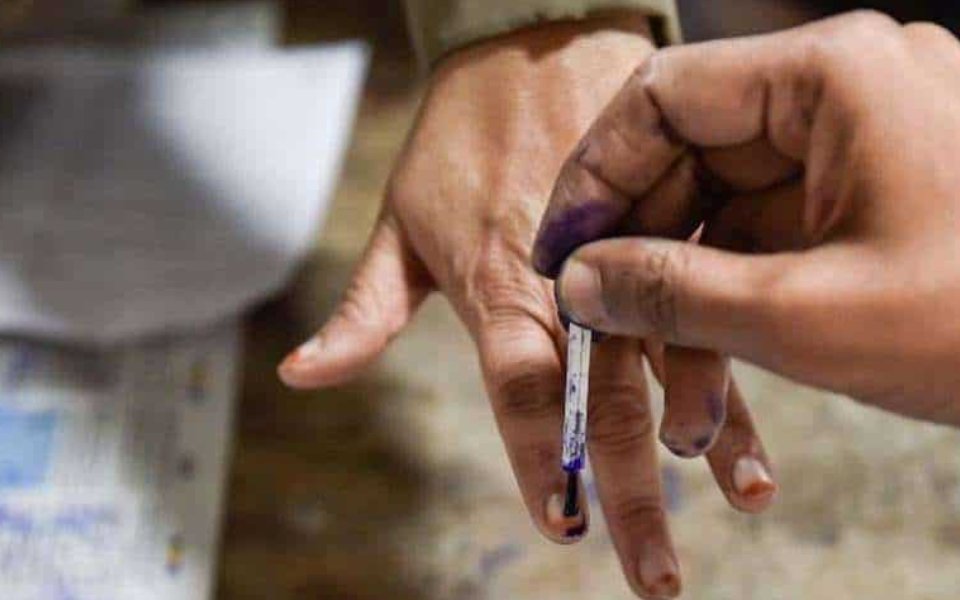
New Delhi: Ahead of the impending general elections, Islamic scholar Syed Shabbir Ahmed Nadvi has released an open letter stressing on the constitutional right and civic duty of voting. Endorsed by notable personalities such as Hazrat Maulana Mufti Abul Qasim Naumani and Hazrat Maulana Syed Arshad Madani, the letter discusses the need for active participation in the electoral process and the importance of verifying one's inclusion in the Voters' List.
The open letter addresses key aspects of the electoral process, highlighting that failure to vote for the right candidate is equivalent to concealing testimony and may result in adverse consequences, including potential challenges to citizenship documentation and legal status.
It advocates for the election of leaders who prioritize national development, safeguard human life and property, and prevent the rise of oppressive regimes.
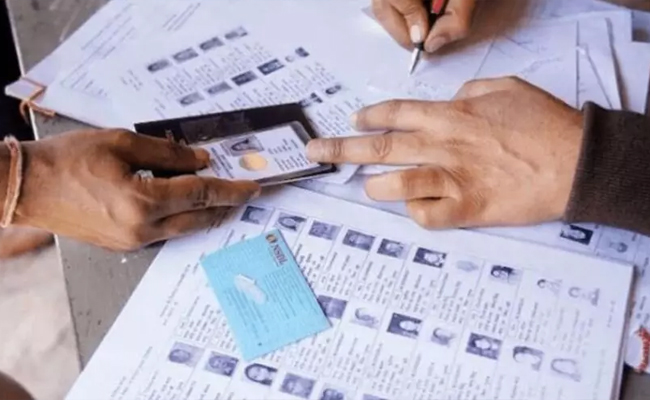
Syed Shabbir Ahmed Nadvi's letter also points out the potential repercussions of neglecting the voting process, such as the weakening of evidence for Indian citizenship, termination of legal status, and the possibility of unsuitable leaders ascending to power. Specific instructions are provided for voter registration, including repeated encouragement for registration, training of volunteers, and enrollment of eligible youth.
Additionally, the open letter calls on community leaders, village officials, and intellectuals to actively support and promote voter registration initiatives. It underlines the importance of ensuring consistency in the spelling of names across various identification documents and encourages households to verify and correct entries in the Voters' List.
The support and validation from prominent figures within the Muslim community, including Hazrat Maulana Khalid Saifullah Rahmani Saheb and Hazrat Maulana Syed Mohammed Ashraf Sahib Kachochvi, further strengthen the call for civic engagement.
The names of the supporting and validating Ulama and intellectuals
- Hazrat Maulana Mufti Abul Qasim Naumani Saheb
(Mohtamim Darul Uloom Deoband and Rukn Aamila Jamiat Ulema Hind) - Hazrat Maulana Syed Arshad Madani Saheb
(Sadrul Mudarriseen Darul Uloom Deoband and President Jamiat Ulema Hind) - Hazrat Maulana Syed Mohammed Ashraf Sahib Kachochvi
(President of All India Ulama and Mashaikh Board) - Hazrat Maulana Khalid Saifullah Rahmani Saheb
(President All India Muslim Personal Law Board and Mohtamim Al Mahad Al Aali Islami Hyderabad) - Maulana Syed Mahmood Asad Madani Sahib
(President of Jamiat Ulema Hind, Rukn Shura Darul Uloom Deoband) - Hazrat Maulana Sagheer Ahmad Khan Sahib
(Ameer-e-Shariat Karnataka, Mohtamim Darul Uloom Sabeelur Rashad, Bangalore) - Hazrat Maulana Mufti Ahmed Khanpuri Saheb
(Shaikhul Hadees Jamia Islamia Talimuddeen, Dhabel) - Hazrat Maulana Asghar Ali Imam Mahdi Sahib
(President of All India Jamiat Ahle-Hadith) - Hazrat Maulana Syed Bilal Abdul Hai Hasani Saheb
(Nazim Darul Uloom Nadwatul Ulama Lucknow & Secretary AIMPLB) - Janab Saadatullah Husaini Sahib
(Ameer Jamaat-e-Islami Hind) - Hazrat Maulana Muhammad Sufyaan Sahib Qasmi
(Mohtamim Dar Uloom Waqf Deoband) - Hazrath Moulana Syed Tanveer Ahmed Hashmi Saheb
(President, Jamaat Ahle Sunnat, Karnataka
Let the Truth be known. If you read VB and like VB, please be a VB Supporter and Help us deliver the Truth to one and all.
4 held for sexually assaulting woman, girl on moving bus after social media alert in UP's Agra

Agra (UP) (PTI): Four people were arrested, after a prompt response by police following a social media alert, for allegedly sexually assaulting a woman and a girl inside a moving bus here, officials said on Tuesday.
According to an official police statement, at 12:27 am on April 27, information was received on the social media platform X about an incident of sexual assault on a bus travelling from Kanpur to Ahmedabad, which was approaching Namner crossing in Agra.
Acting under the direction of Police Commissioner Deepak Kumar, the Agra Police social media team immediately alerted the Rakabganj police station within minutes and coordinated with the victims to confirm the incident and obtain the exact location, it stated.
Police teams launched intensive checking at Namner crossing and intercepted the bus as it reached the spot. The four accused involved in the incident were apprehended on the spot, and legal action was initiated against them, the statement said.
The police said the swift response and coordination between the social media team and field units ensured timely action, bringing relief to the victims and other passengers, who expressed gratitude towards the police, it added.