Air India, IndiGo, SpiceJet oppose govt's 60 pc free seat selection decision
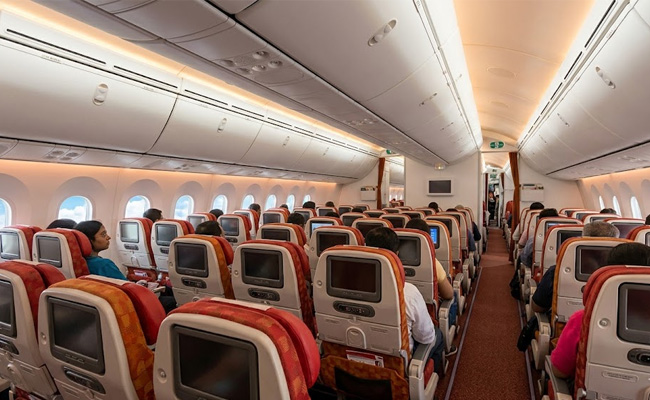
New Delhi (PTI): IndiGo, Air India and SpiceJet have raised strong objections to the government's decision asking airlines not to levy any charges for the selection of at least 60 per cent seats on flights, saying the move will force them to hike airfares to recover lost revenues.
The Federation of Indian Airlines (FIA), which represents the three airlines, has also urged the Civil Aviation Ministry to take steps to withdraw the decision.
On Wednesday, the ministry announced that directions have been issued to the DGCA to direct airlines to allocate a minimum of 60 per cent of seats for selection on any flight free of charge to ensure fair access for passengers.
In a letter written to Civil Aviation Secretary Samir Kumar Sinha on Thursday, FIA said the direction would have unintended and adverse consequences for the aviation sector.
"The financial impact of the directive on airlines will be significant, compelling airlines to recover the lost revenues through increases in fares. As a result, all passengers, including those who may not wish to preselect seats, will end up paying higher fares," it said.
ALSO READ: People throng mosques for Eid namaz across Delhi
FIA noted that seat selection fees form a legitimate component of airline revenue, particularly in the high-cost environment where costs rise year-on-year under the regulator AERA-governed regime that accords full cost recovery plus an assured margin to airports.
"Airlines operate on thin margins and rely on ancillary revenues to offset rising operational costs, including fuel, maintenance, airport charges, etc. Imposing a uniform restriction on ancillary revenue undermines commercial flexibility and interferes with market-driven pricing mechanisms," the grouping said.
The ministry's announcement on Wednesday came against the backdrop of rising concerns that airlines are levying high charges for various services, including for choosing seats.
Generally, airlines charge Rs 200 to Rs 2,100 for choosing seats, depending on various factors, including front rows and extra leg room.
Meanwhile, FIA also said that while free seat selection might appear beneficial at first glance from passengers' perspective, the overall outcome would be counter-productive and higher fares would reduce consumer choice and affordability.
According to FIA, the decision will defeat the stated objective of passenger welfare, as it shifts targeted user-based charges into a blanket fare increase borne by the entire passenger base, and disproportionately impacts price-sensitive travellers and erodes affordability.
Among other concerns, the grouping mentioned that the ministry did not carry out stakeholder consultations before announcing the decision.
"If applied, this measure will set a precedent for excessive intervention in ancillary pricing with heavy loss of revenues for the airlines, apart from creating uncertainty for airlines regarding future regulatory constraints," FIA said and urged that the mandate to the DGCA be withdrawn.
Meanwhile, sources said the airlines have also told the ministry about various operational challenges, including rising jet fuel prices, in the wake of the West Asia conflict.
The conflict has significantly impacted flight operations to and from the region.
Let the Truth be known. If you read VB and like VB, please be a VB Supporter and Help us deliver the Truth to one and all.
Lebanon appoints new representative for talks with Israel, rejects linkage to Iran
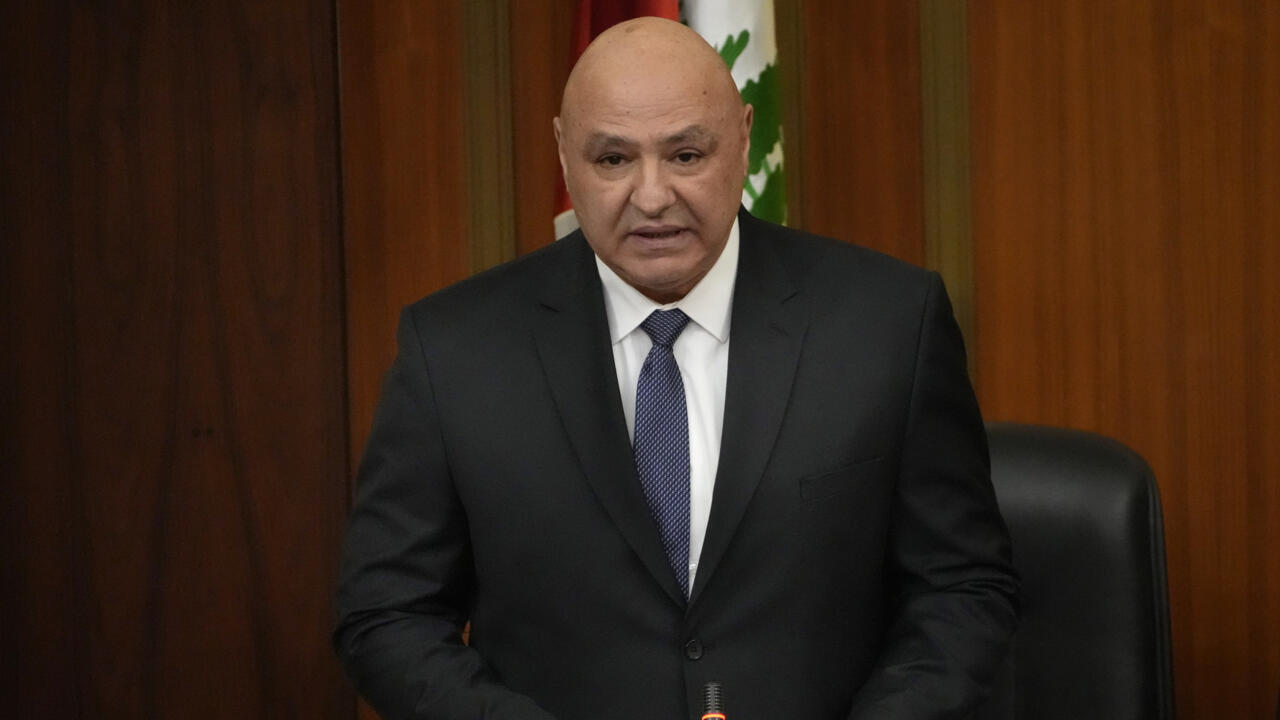
Beirut: Lebanon’s has moved to underline its independent position in ongoing regional developments, amid attempts to link the country to the broader conflict involving Iran, the United States and Israel.
President Joseph Aoun, while announcing the appointment of former US ambassador Simon Karam as Lebanon’s representative in talks with Israel, made it clear that Karam would be the sole representative for Lebanon and that there would be no substitute.
The move comes in response to what the Lebanese officials see as efforts by Iran to tie Lebanon’s situation to the wider regional conflict. Iran had indicated that there would be no ceasefire involving the US, Israel and Iran unless it also included a ceasefire in Lebanon.
Some groups, including Hezbollah and its supporters, had expressed support for linking the situations, citing concerns that the Lebanese government has limited leverage in negotiations with Israel. Lebanon is not formally a party to the conflict, and its army is considered weak.
However, others, including Prime Minister Nawaf Salam, have opposed this approach. They view Iran’s stance as an attempt to influence Lebanon’s internal affairs and see it as undermining the country’s sovereignty.
Officials backing the government’s position say the move is aimed at reaffirming Lebanon’s sovereignty and ensuring that decisions about peace and ceasefire within the country are not dictated externally.
They also see it as a safeguard, so that any breakdown in talks between the US, Israel and Iran does not automatically lead to renewed conflict in Lebanon.