Air India pilot dies after showing signs of discomfort during training session
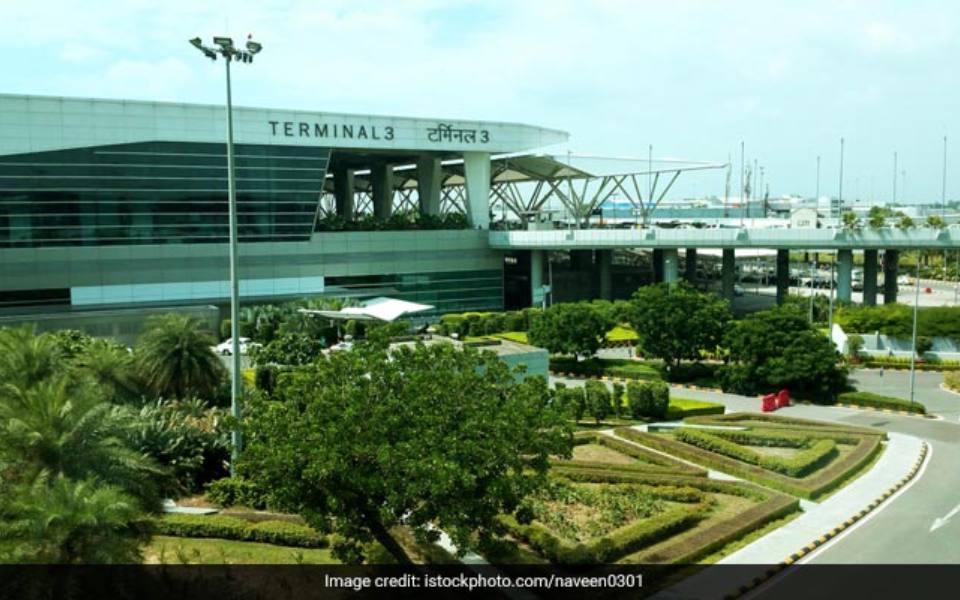
New Delhi, Nov 16: A senior Air India pilot died on Thursday morning after showing signs of discomfort during a training session at the Delhi airport, according to officials.
The pilot appears to have suffered a cardiac arrest, they added.
The officials said that Himmanil Kumar, who was in his 30s, was at a training session at the operations department of Air India at Terminal 3 of the airport. Suddenly, he started showing signs of discomfort and colleagues tried to assist him. He was taken to a hospital at the airport but passed away despite efforts to revive him, the officials said.
Kumar, a senior commander, was undergoing conversion training whereby pilots flying narrow body aircraft are trained to operate wide-body planes.
He started training from October 3 for transition to operating Boeing 777 aircraft from A320 aircraft, they added.
One of the officials said the airline is extending all possible assistance to the family and that the father of the deceased was a senior commander at the airline.
A regulatory official in the know said Kumar underwent his medicals on August 23 and was declared fit.
There is no fatigue-related issue with respect to flying duties and after leaves, Kumar resumed training on Thursday.
All his past medical assessments were fine with no detected underlying medical conditions, the official added.
There was no immediate statement from Air India.
Let the Truth be known. If you read VB and like VB, please be a VB Supporter and Help us deliver the Truth to one and all.
Karnataka: College student dies by suicide in Dharwad, 3 policemen suspended
Dharwad (Karnataka) (PTI): A college student allegedly died by suicide here, following which three policemen were suspended over allegations of harassment linked to his death by the victim's family.
Aditya Myageri, a BSc student at a private college here, was among 18 students detained by the Vidyagiri police on April 25 during an anti-drug drive, police said on Wednesday.
He hailed from Belur village in Bagalkot district, but was staying with his friends at a rented accommodation in Girinagar area of Dharwad city, police said.
Among the 18 students tested, Aditya was among the 10 who had tested negative for ganja consumption and was subsequently released.
Some of his roommates, however, tested positive.
According to police, Aditya's family alleged that despite testing negative, he was harassed by police. They also claimed some policemen demanded Rs 2,000 to settle the matter and threatened legal action if he failed to pay.
He had called his mother asking for money, but she could not arrange it immediately, the family claimed.
On Monday night, Aditya allegedly died by suicide by hanging from a ceiling fan at his rented accommodation, with his family alleging police harassment and pressure over demand for money drove him to the extreme step, a senior police officer said.
Police Commissioner N Shashi Kumar told PTI that an unnatural death case has been registered at Vidyagiri police station. Three policemen have been suspended over the allegations, and further investigation is underway.