All you need to know about India’s first Sunday Budget
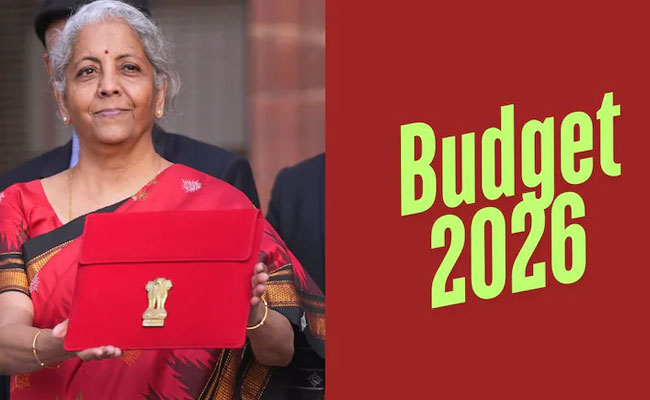
New Delhi: This year’s Budget is drawing special attention because it is being presented on a Sunday. While Sunday is normally a holiday, Parliament will function as usual for the Budget presentation.
India's Union Budget is presented on February 1 each year, a practice that began in 2017. The idea behind this change was to give Parliament enough time to discuss, approve and put Budget proposals into action before the new financial year begins on April 1. Earlier, Budgets were usually presented at the end of February.
A similar situation arose in 1999, when February 28 fell on a Sunday. To avoid presenting the Budget on a holiday, then Finance Minister Yashwant Sinha, under the Atal Bihari Vajpayee-led NDA government, presented it a day earlier on February 27, a Saturday.
Until 1999, Union Budgets were presented in the evening, around 5 pm. This practice came from British colonial times, when announcements were timed to suit working hours in London.
Yashwant Sinha changed this tradition by presenting the Budget at 11 am. Since then, 11 am has remained the standard time for Budget presentations in India.
Let the Truth be known. If you read VB and like VB, please be a VB Supporter and Help us deliver the Truth to one and all.
AIITA welcomes Karnataka’s ban on obscene songs in school events
Bhatkal: The Karnataka unit of the All India Ideal Teachers Association (AIITA) has welcomed the Karnataka government’s decision to strictly ban school children from dancing to obscene songs during educational and cultural programmes in government, aided, and private schools across the state.
AIITA Karnataka State President M. R. Manvi congratulated the government for taking what he termed an important step to preserve the sanctity of education.
“Such decisions to safeguard the dignity of school children and uphold the values of education are the need of the hour. This rule should not be limited to government schools alone but must be strictly implemented in all private educational institutions as well,” he said.
He further urged the government to address other concerns within school programmes.
“The government should not only prohibit obscene dances in the name of school anniversaries, but also ensure that plays and dialogues that incite religious hatred are avoided. Schools should be centres of harmony, not platforms for spreading hatred,” he added.
According to a recent circular issued by the Department of School Education and Literacy, obscene dances are adversely affecting the mental health and moral values of students.
In this regard, schools have been advised to use songs that promote nationalism, positive thinking, the greatness of Kannada culture, and value-based traditions instead of inappropriate content during programmes.
The circular also emphasises that students should be dressed in decent attire.
AIITA also backed the department’s warning that disciplinary action would be taken against head teachers if such guidelines are violated. The association has further demanded that district Deputy Directors of Public Instruction strictly monitor the implementation of these rules.