Amid threats, Ramachandra Guha deletes beef tweet, says was in poor taste
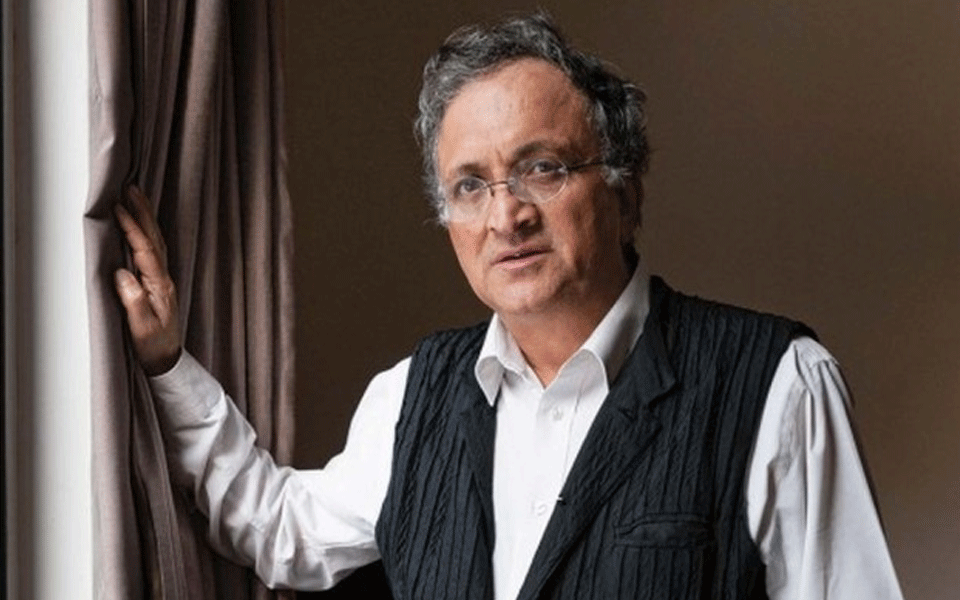
Bengaluru, Dec 9: Two days after posting a photo of himself eating beef in Goa, noted historian and author Ramachandra Guha Sunday deleted the tweet, saying "it was in poor taste".
A known critic of the Bharatiya Janata Party (BJP), Guha said the controversial tweet was aimed at "flaying" the saffron party's "hypocrisy" on beef, while claiming that he had received threatening calls.
"I have deleted the photo of my lunch in Goa as it was in poor taste," he tweeted.
"I do wish, however, to again highlight the absolute hypocrisy of the BJP in the matter of beef," he said, adding that humans must have the right to eat, dress and fall in love as they choose.
In the now deleted tweet, Guha had shared a picture of himself enjoying beef and wrote-- "After a magical morning in Old Goa we had lunch in Panaji, where-since this is a BJP ruled state-I decided to eat beef in celebration."
Guha also replied to those who mocked him for eating beef despite being a Gandhian.
"Putting myself in the centre of the frame was exhibitionist and in poor taste. I could have made the same points in words, as I have done now," he said.
Earlier in the day, Guha had tweeted that he and his wife had received phone calls threatening them .
"I have received threatening calls from a man calling himself Sanjay from Delhi. He threatened my wife as well as me. This is for the record," he said in his first tweet.
Couple of minutes later, he posted another tweet levelling allegations against R K Yadav.
"This threatening tweet below is from a former official of the Research and Analysis Wing. I would like to place it on record, and will do with every subsequent threat received," Guha said replying to Yadav's post.
Yadav had tweeted, "If a Hindu eating beef & publicise it he is stigma on this religion. One Ramchandra Guha is doing so. He is trying to tease whole of Hindus by this dastardly action of such publicity. Shd be given befitting reply."
Despite repeated attempts, Guha could not be reached for his reaction.
I have deleted the photo of my lunch in Goa as it was in poor taste. I do wish however to again highlight the absolute hypocrisy of the BJP in the matter of beef, and to reiterate my own belief that humans must have the right to eat, dress, and fall in love as they choose.
— Ramachandra Guha (@Ram_Guha) December 9, 2018
This threatening tweet below is from a former official of the Research and Analysis Wing. I would like to place it on record, and will do with every subsequent threat received. https://t.co/MrG7AVL15U
— Ramachandra Guha (@Ram_Guha) December 9, 2018
Let the Truth be known. If you read VB and like VB, please be a VB Supporter and Help us deliver the Truth to one and all.
4 workers die after being buried under coal slurry in Jharkhand's Dhanbad
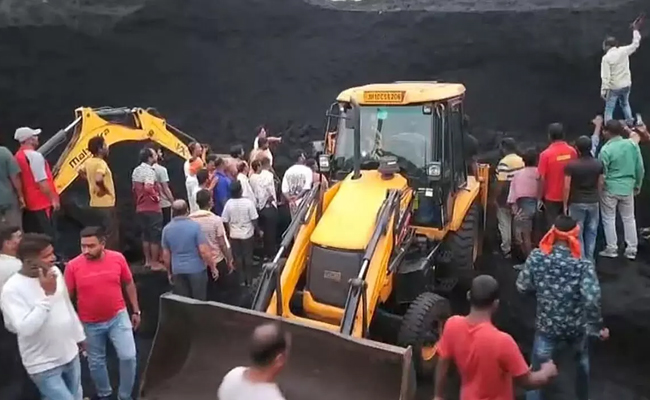
Dhanbad (Jharkhand) (PTI): At least four workers died after being buried under coal slurry in Jharkhand's Dhanbad district on Saturday, a police official said.
The incident took place at Moonidih coal washery in the command area of Bharat Coking Coal Limited (BCCL).
"Bodies of all four workers were dug out of debris during a rescue operation," Putki police station in-charge Waqar Hussain told PTI.
The incident took place when coal slurry was being loaded into trucks by workers, during which a large chunk of slurry fell and trapped several workers underneath, officials said.
The deceased have been identified as Manik Bauri, Dinesh Bauri, Deepak Bauri, and Hemlal Gope.
Meanwhile, the family members of the deceased and local villagers placed the bodies in front of the washery gate and began a protest.
They demanded compensation, jobs for dependents and action against those responsible for the incident.
Police and administration officials are trying to pacify the protesters, an official said.