ASI gets 10 more days to submit survey report of Gyanvapi mosque complex
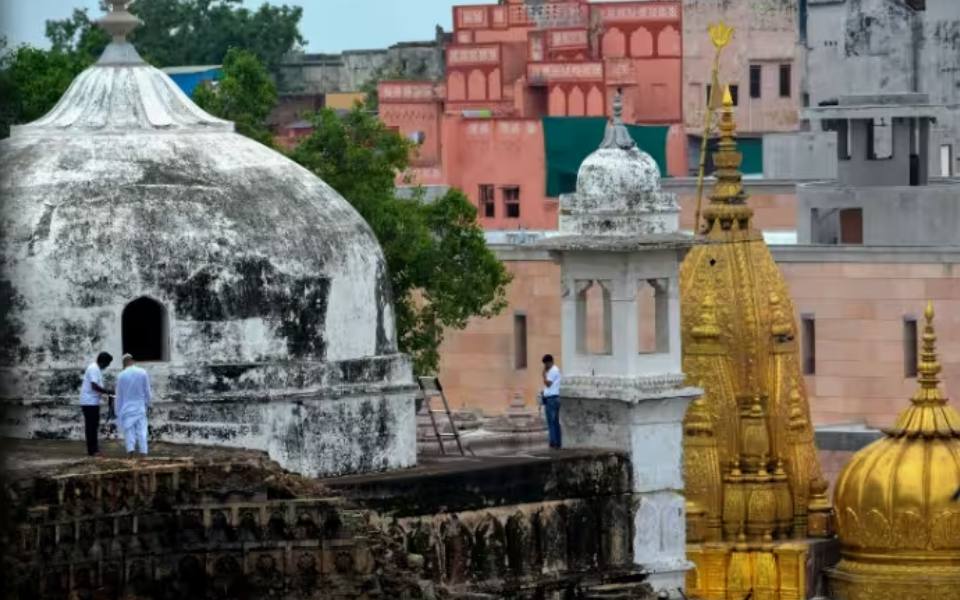
Varanasi (UP), Nov 18: The Varanasi district court on Saturday gave 10 more days to the Archaeological Survey of India (ASI) to submit its scientific survey report of the Gyanvapi mosque complex.
The ASI was earlier given time till November 17 to submit the report but on Friday, its counsel sought 15 more days from the court.
According to the counsel for the Hindu side Madan Mohan Yadav, the ASI sought more time due to non-availability of the technical report.
While hearing the matter on Saturday, District Judge A K Vishvesh asked the ASI to submit its report by November 28.
The ASI carried out scientific survey of the Gyanvapi premises, located next to the Kashi Vishwanath temple in Varanasi, to determine whether the 17th-century mosque was constructed over a pre-existing structure of a Hindu temple.
On November 2, the ASI had told the court it had "completed" the survey but may take some more time to compile the report, along with the details of the equipment used in the survey work. The court then granted additional time till November 17 for submitting the document.
On October 5, the court had granted four more weeks to the ASI and said the duration of the survey would not be extended beyond this.
On August 4, the court granted the ASI an additional month to complete the survey, extending its original deadline (from August 4) to September 4. It provided another four-week extension for the survey work on September 6.
The survey had begun after the Allahabad High Court upheld a Varanasi district court order and ruled that the step was "necessary in the interest of justice" and would benefit both the Hindu and Muslim sides to the dispute.
During an earlier hearing, the mosque management committee had objected to the survey, alleging that the ASI was digging the basement as well as other places of the mosque complex without permission and accumulating debris on the western wall, posing a risk that the structure might collapse.
The ASI team was not authorised to survey the premises by removing debris or garbage, the mosque panel had said.
The Gyanvapi committee had also moved the Supreme Court against the high court's order. The apex court had, on August 4, refused to stay the high court's order on the ASI survey.
In its order, the bench of Chief Justice of India D Y Chandrachud and justices J B Pardiwala and Manoj Misra, however, asked the ASI not to carry out any invasive act during the survey. This ruled out any excavations, which the Varanasi court had said could be conducted, if necessary.
Let the Truth be known. If you read VB and like VB, please be a VB Supporter and Help us deliver the Truth to one and all.
Three private doctors arrested in illegal scanning case involving 31 minor pregnant girls in KR Pet
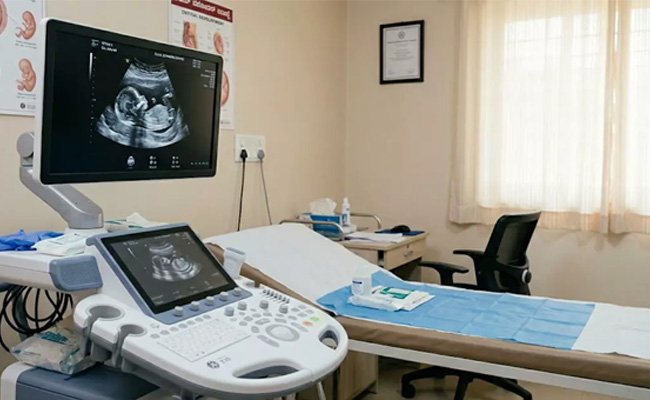
Mandya: Police on Tuesday arrested three private doctors in connection with a case involving alleged illegal scanning of 31 minor pregnant girls at a private diagnostic centre in KR Pet. The accused were later remanded to judicial custody.
The arrested doctors have been identified as Dr. Divyachetan of Chetana Maternity Centre, Dr. Harshit of Navi Diagnostic Centre, and Dr. Harish of Kushal Diagnostic Centre.
Police said Priyanka, a gynaecologist attached to a government hospital, is absconding and efforts are under way to trace her.
The case came to light after Karnataka Lokayukta Police recently conducted raids, during which illegal sex determination tests on minor pregnant girls were allegedly detected at two diagnostic centres in KR Pet town.
Following the raids, District Health and Family Welfare Officer Dr. Mohan, Deputy Director of the Women and Child Development Department P.S. Asha, and District Child Protection Officer Rashmi inspected several diagnostic centres and filed cases at KR Pet Town and Rural police stations.
According to the allegations, Navi Diagnostic Centre conducted scans on 24 minor pregnant girls, including 19 cases in 2024 and five in 2025. Kushal Diagnostic Centre is accused of conducting scans on seven minor pregnant girls.
Meanwhile, Deputy Commissioner Dr. Kumar has directed taluk vigilance committees to inspect all 63 ultrasound scanning centres in the district and submit reports within 10 days.
Officials said the Tahsildar of each taluk has been appointed chairperson of the respective committee.