ASI order over performing rituals in temples in Devgiri Fort sparks row
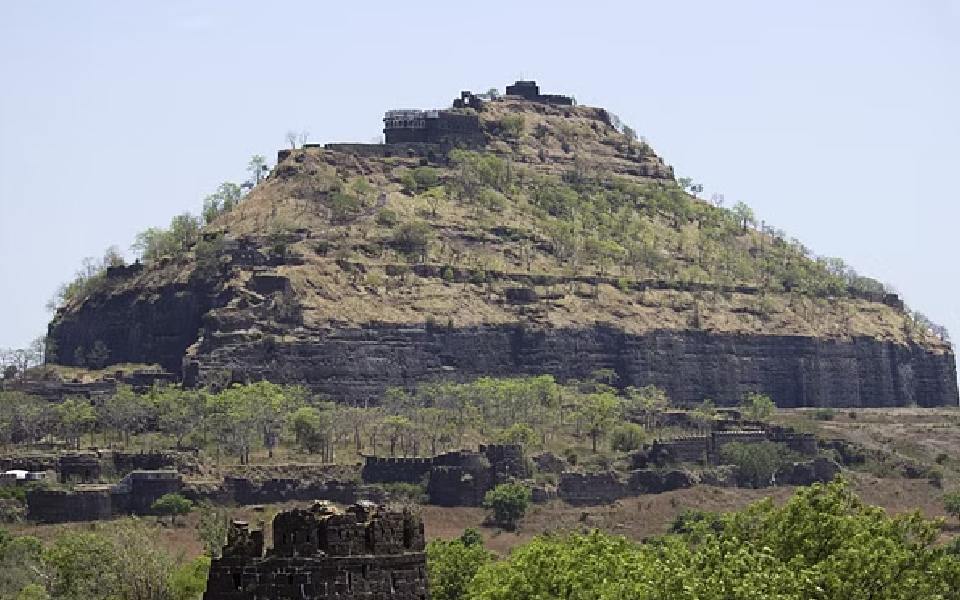
Chhatrapati Sambhajinagar, Jun 27: An Archaeological Survey of India (ASI) order discouraging performing pooja in temples located in the Devgiri (Daulatabad) Fort complex in Maharashtra's Chhatrapati Sambhajinagar district has drawn criticism from different quarters, including the opposition Shiv Sena (UBT).
According to the order, performing pooja or any other rituals in these temples of the centuries-old fortified citadel protected by the ASI will be a breach of law.
As per the June 4 order which surfaced on social media platforms on Thursday, priest of Bharat Mata Temple located on the fort's foothills, Raju Kanjune, has been stopped from performing rituals.
Being a non-living monument, permitting rituals in any of the temples located in the fort's premises will be a breach of the Ancient Monuments and Archaeological Sites and Remains Act, 1958, according to the ASI which functions under the Union Ministry of Culture.
Two other Hindu shrines -- Sankat Vinayak Ganesh Temple and Janardan Swami Temple -- are located top the fort.
The ASI order has sparked a controversy with Leader of Opposition in Maharashtra Legislative Council Ambadas Danve of the Shiv Sena (UBT) and Maratha quota activist Vinod Patil questioning the move.
When contacted, a senior ASI official told PTI, "The Devgiri Fort is a non-living monument and there is no permission for performing pooja here. No priest can perform rituals, but tourists can visit the fort freely."
Danve, in a post on X, said pooja is being performed in Bharat Mata Temple, Sankat Vinayak Ganesh Temple and Janardan Swami Temple for years and long before the fort came under the ASI jurisdiction.
"Then how is the fort a non-living monument?" he questioned.
He sought to know if the central government will impose restrictions on Ganesh Temple, where yearly provision of rituals was made during Peshwas (medieval-era ministers of Maratha empire), and 'dindi' (procession) that comes to Janardan Swami Temple every year in 'Margashirsh' (ninth month of Hindu calendar).
The Shiv Sena (UBT) leader also sought to know if the same kind of curbs will be imposed on the tomb of Mughal emperor Aurangzeb located in Khultabad in Chhatrapati Sambhajinagar district.
Maratha quota activist Patil said, "Bharat Mata Temple was established by freedom fighters after the region was freed from Nizam and pooja is being done here since 1948. There are many ASI sites where a holiday is declared for the sake of a specific religion. The state government should intervene and resolve the issue."
Co-convener of INTACH (Indian National Trust for Art and Cultural Heritage) Swapnil Joshi said "Bharat Mata is being worshipped in the Devgiri Fort prior to independence. So the entire fort cannot be a non-living monument. Deities here are being worshipped much before the ASI came into existence.
Let the Truth be known. If you read VB and like VB, please be a VB Supporter and Help us deliver the Truth to one and all.
Brothers awaiting board exam results drown in canal

Erode (Tamil Nadu) (PTI): Minor brothers who were awaiting their board exam results have drowned in a canal in this district while spending their Summer holidays at their aunt's place, police said.
According to Arachalure Police, Santhosh, aged 17, and his younger brother Sanjai, aged 15, natives of Musiri village in Tiruchirapalli district, came to Gopaliparai hamlet near Arachalure to their Aunt's house a couple of days ago after writing their annual 12th and 10th examinations, respectively.
The police said on Friday that both boys went to the nearby Lower Bhavani Project canal to take a bath. It was alleged that while taking a bath, both boys went to a deeper area of the canal and went missing.
As they didn't return home, even two hours after they left, their aunt grew suspicious and informed the Fire and Rescue Services, Chennimalai. A rescue team from the department rushed to the spot. After a few minutes of searching, they located the dead bodies of the brothers and sent them to the hospital. Arachalure police registered a case of death due to drowning and are investigating.