Assam: Eminent academician, singer Birendranath Datta dies at 88
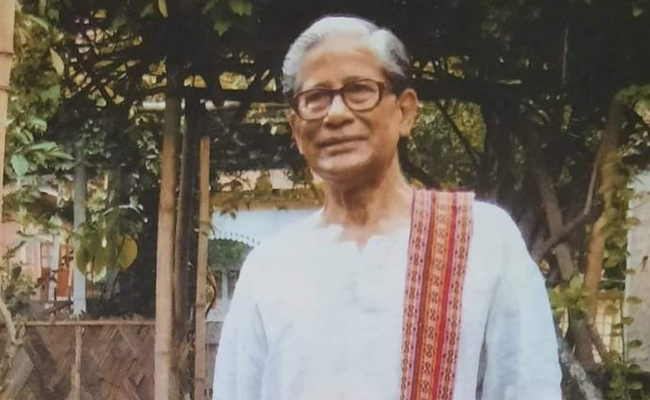
Guwahati (PTI): Eminent academician, singer and lyricist Birendranath Datta died on Monday at a hospital here following a prolonged illness, his family said.
He was 88 and is survived by his wife, son and two daughters.
Datta was suffering from various old-age ailments for long and was admitted to the hospital recently.
A recipient of the Padma Shri in the field of art and literature in 2009, Datta began his career as an academician at B Barooah College here and went on to teach at different colleges of the state, before retiring as the head of the department of Folklore Research of Gauhati University.
After his retirement, he joined Tezpur University as a professor in the Department of Traditional Culture and Art Forms.
An eminent lyricist, Datta penned several songs and even sang many of those, with 'Bohu din bokuler gundh puwa nai' being one of his most popular numbers.
He was also the president of Assam's premier literary organisation Asam Sahitya Sabha for two terms from 2003 and a life member of the Gauhati Artists' Guild.
An author of repute, some of his prominent books include 'Cultural Contours of Northeast India' and 'Sankar Madhavar Manisha Aru Asomar Sanaskritic Uttaradhikare', among others.
Chief Minister Himanta Biswa Sarma, in his condolence message, said the news of the demise of the eminent researcher of linguistics and culture has left a great void in the arena of culture, art and music.
"I pray for the eternal peace of the soul of the former president of Asam Sahitya Sabha and extend my deepest condolences to the members of the bereaved family," he added.
Let the Truth be known. If you read VB and like VB, please be a VB Supporter and Help us deliver the Truth to one and all.
Three arrested for running fake Aadhaar racket in UP's Badaun
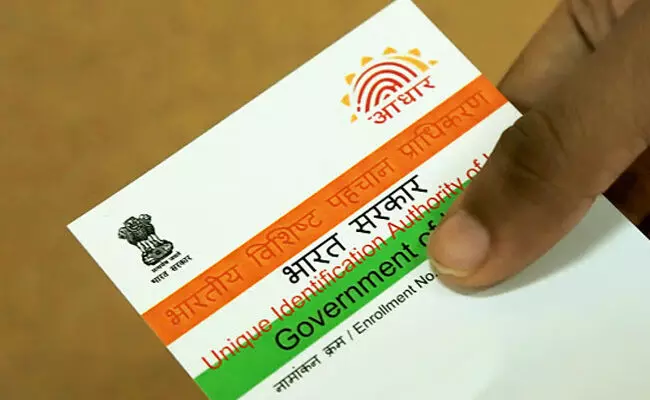
Budaun (UP), Apr 30 (PTI): The Budaun Police on Thursday busted a gang allegedly involved in preparing fake Aadhaar cards and forged documents, and arrested three of its members, officials said.
The action was carried out in the Hazratpur area, where the accused were found operating an illegal setup to generate fake identity documents, they said.
The accused have been identified as Farman Ali, a resident of Munshi Nagla, Anuj Kumar of Uprela, and Brajnandan of Sirsauli.
The police said a fingerprint scanner, three laptops, a hard disk, a scanner, a large number of Aadhaar cards and several suspicious documents were recovered from their possession.
ALSO READ: Hit by car, delivery agent dies after falling from flyover in Delhi
During interrogation, it was revealed that the gang had been involved in preparing fake identity documents for a long time, misleading people and earning money through illegal means, officials said.
Station House Officer Pushpendra Singh said the accused have been produced before a court, and efforts are underway to identify and arrest other members of the gang.
He added that further revelations are likely as the investigation progresses.