Assembly polls in 5 states: EC cracked the whip on several occasions; seizures over Rs 1760 cr made
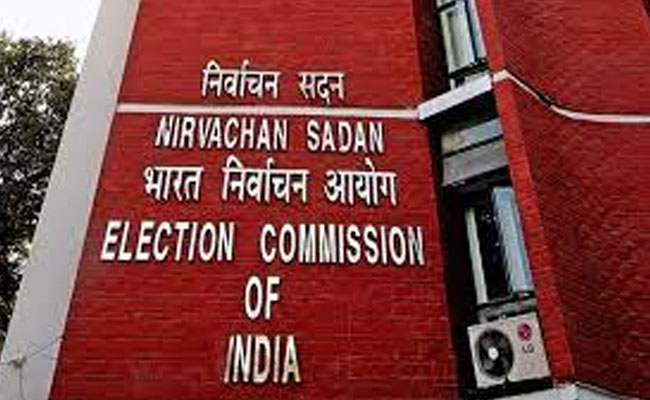
New Delhi (PTI): The Election Commission cracked its whip on several occasions to ensure a level playing field for all parties in the five states where assembly polls are being held even as authorities seized freebies, drugs, cash and liquor worth over Rs 1766 crore aimed at alluring voters.
Acting on complaints and inputs by the local poll machinery, the EC issued show cause notices and advisories to top politicians to adhere to the provisions of the model code.
It withdrew permission given to the Telangana government for disbursements of financial aid to farmers for rabi crops under the Rythu Bandhu Scheme after a state minister violated the provisions of the model code by making a public announcement about it.
The poll panel had given its nod to the state government to disburse the rabi installment during the model code of conduct period on certain grounds.
It had also asked the government not to carry out the proposed Viksit Bharat Sankalp Yatra, its mega outreach programme on schemes and initiatives, in these five states till December 5.
The government had made it clear that the yatra will not cover poll-going states till the model code of conduct was in force.
Based on complaints from rival parties, the EC issued notices to former Congress president Rahul Gandhi, his sister and party general secretary Priyanka Gandhi Vadra, Assam Chief Minister Himanta Biswa Sarma and BRS chief and Telangana Chief Minister K Chandrashekhar Rao. He was later issued an advisory and asked to follow the model code in letter and spirit.
Recently, the Election Commission also sought an explanation from the Congress government in Karnataka over advertisements publicising its achievements in newspapers in poll-bound Telangana.
In a letter to the Karnataka chief secretary, the commission said the state government did not obtain prior approval from it for publishing the advertisements, an action violative of the poll code.
It also said the publication of any such advertisement by the government of Karnataka in Telangana should stop with immediate effect till necessary approvals are taken by the state government from the commission.
According to the EC, the over Rs 1766 crore seizures during the poll period in Mizoram, Telangana, Madhya Pradesh, Chhattisgarh and Rajasthan were seven-fold more as compared to 2018 assembly elections.
Used for the first time, the Election Seizure Management System facilitated coordination among enforcement agencies, the poll panel said.
Let the Truth be known. If you read VB and like VB, please be a VB Supporter and Help us deliver the Truth to one and all.
4 held for sexually assaulting woman, girl on moving bus after social media alert in UP's Agra
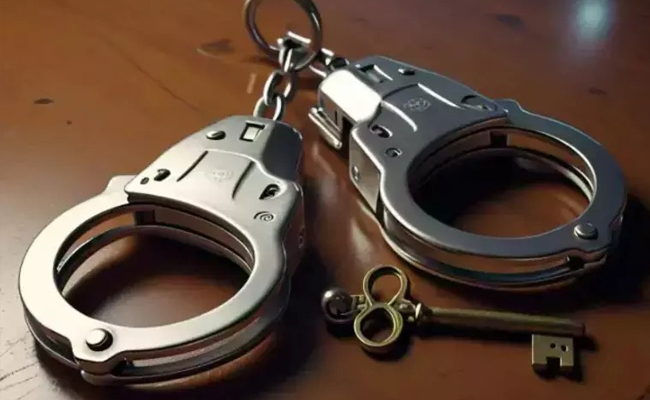
Agra (UP) (PTI): Four people were arrested, after a prompt response by police following a social media alert, for allegedly sexually assaulting a woman and a girl inside a moving bus here, officials said on Tuesday.
According to an official police statement, at 12:27 am on April 27, information was received on the social media platform X about an incident of sexual assault on a bus travelling from Kanpur to Ahmedabad, which was approaching Namner crossing in Agra.
Acting under the direction of Police Commissioner Deepak Kumar, the Agra Police social media team immediately alerted the Rakabganj police station within minutes and coordinated with the victims to confirm the incident and obtain the exact location, it stated.
Police teams launched intensive checking at Namner crossing and intercepted the bus as it reached the spot. The four accused involved in the incident were apprehended on the spot, and legal action was initiated against them, the statement said.
The police said the swift response and coordination between the social media team and field units ensured timely action, bringing relief to the victims and other passengers, who expressed gratitude towards the police, it added.