Australia to return 14 stolen or illegally exported artworks to India
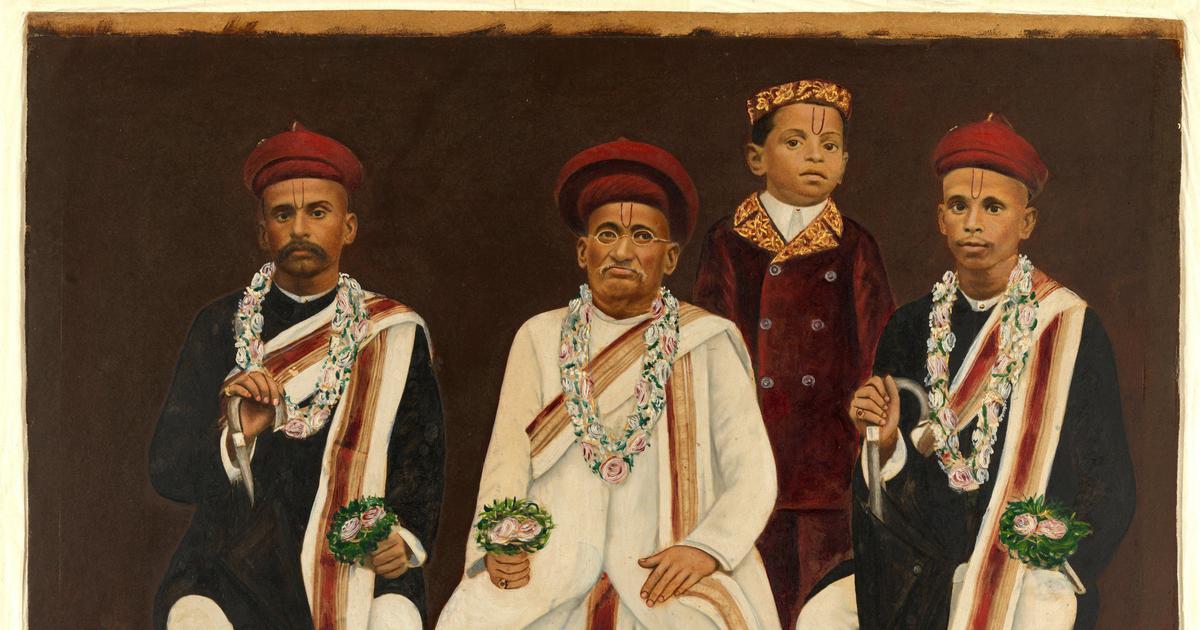
Melbourne, Jul 30: Australia will return to India another 14 culturally significant artworks, including bronze and stone sculptures, a painted scroll and photographs, some of which were likely stolen, illegally excavated or unethically acquired from the country.
The National Gallery of Australia (NGA) on Thursday announced it will return these works of art from its Asian art collection to the Indian Government.
The works of art being repatriated include 13 objects connected to Indian art dealer Subhash Kapoor through Art of the Past and one acquired from art dealer William Wolff.
It is the fourth time the NGA has handed the Indian government antiquities it bought from Kapoor, ABC News reported.
The works include six bronze or stone sculptures, a brass processional standard, a painted scroll and six photographs.
Kapoor is awaiting trial in India after being accused of running a global smuggling ring for artefacts.
Another three sculptures sourced from Art of the Past have also been removed from the collection.
Further research will be undertaken to identify their place of origin before they are repatriated.
Following this action, along with the repatriation of works in 2014, 2016 and 2019, the National Gallery will no longer hold any works acquired through Kapoor in its collection, NGA said in a statement.
"The decision to return the works is the culmination of years of research, due diligence and an evolving framework for decision-making that includes both legal principles and ethical considerations," it said.
The National Gallery has introduced a new provenance assessment framework that considers available evidence about both the legal and ethical aspects of a work of art's history.
"If on the balance of probability, it is considered likely that an item was stolen, illegally excavated, exported in contravention of the law of a foreign country, or unethically acquired, the National Gallery will take steps to deaccession and repatriate," it said.
National Gallery of Australia Director Nick Mitzevich said these actions demonstrated the National Gallery's commitment to being a leader in the ethical management of collections.
With these developments, provenance decision-making at the National Gallery will be determined by an evidence-based approach evaluated on the balance of probabilities, anchored in robust legal and ethical decision-making principles and considerations, he said.
As the first outcome of this change, the Gallery will be returning 14 objects from the Indian art collection to their country of origin," he said.
This is the right thing to do, it's culturally responsible and the result of collaboration between Australia and India. We are grateful to the Indian Government for their support and are pleased we can now return these culturally significant objects.
Mitzevich said the Gallery would continue its provenance research, including for the Asian art collection and resolve the status of any works of concern.
The Indian High Commissioner to Australia, Manpreet Vohra, welcomed the decision by the Australian Government and the National Gallery to return the works.
The Government of India is grateful for this extraordinary act of goodwill and gesture of friendship from Australia, Vohra said.
These are outstanding pieces: their return will be extremely well-received by the Government and people of India, he said in a statement.
This latest move follows years of significant research to determine the provenance of works in the Asian art collection, including two independent reviews conducted by former High Court Justice Susan Crennan.
This collection is the largest yet to be repatriated by the gallery.
NGA director Nick Mitzevich said the gallery believed six of the artworks were likely stolen or illegally removed from India.
While the gallery could not establish the provenance of another two items and did not have any evidence the six photos were stolen, Mitzevich told the ABC that they would also be returned to India because the NGA had no faith in Kapoor's ethics.
"We have strengthened our processes and have zero-tolerance now for any inconsistencies in the provenance of a work of art," he said.
"This is another step towards us building an ethical approach to managing our collections."
The NGA spent 10.7 million dollars on 22 works from Kapoor's "Art of the Past" gallery over several years, including a stunning 11th century Chola bronze sculpture, Shiva Nataraja, which the NGA purchased for more than 5 million dollars in 2008.
When Indian police arrested Kapoor in 2012 they listed the Dancing Shiva as one of the stolen items, and it soon became clear the sculpture had been ripped out of a temple in southern India.
In 2014 then-prime Australian minister Tony Abbott handed the Dancing Shiva to Indian Prime Minister Narendra Modi during a visit to New Delhi.
Since then, the NGA has returned another five artworks it purchased from Kapoor to the Indian government, including a third-century rock carving and a series of exquisite stone sculptures.
Let the Truth be known. If you read VB and like VB, please be a VB Supporter and Help us deliver the Truth to one and all.
Bihar: Over 150 children fall ill after consuming 'mid-day meal' in Saharsa
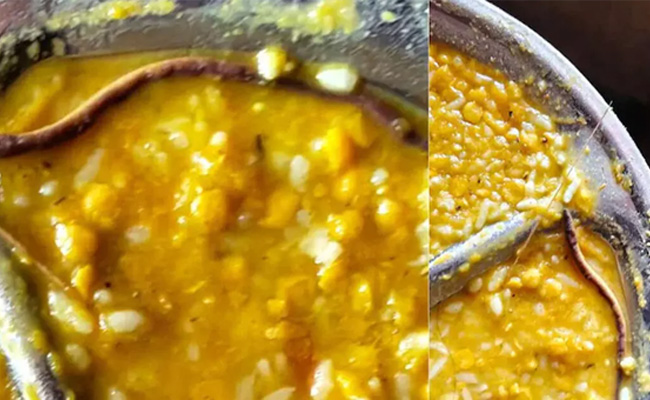
Saharsa (PTI): More than 150 children were taken ill after allegedly consuming food that was part of the mid-day meal in a school in Bihar’s Saharsa district, a senior official said on Thursday.
The incident occurred at a middle school in Baluaha village of the district.
The official said that 115 children were undergoing treatment at the Sadar Hospital, while around 50 students were admitted to Mahishi Public Health Centre.
“We received information that several children fell ill after consuming the mid-day meal in Baluaha. The children were initially treated at the primary health centre, but later, many were referred to the Sadar Hospital,” Saharsa District Magistrate Deepesh Kumar told reporters.
“According to doctors, the health condition of the children has improved, but they will be kept under observation for some time. There is no need to panic. Some kids are having mild fever. They are being treated accordingly,” Kumar said.
Meanwhile, family members of some children claimed that a snake was found in the container in which cooked pulses was stored at the school.
Of the 545 students present in the school, 200 had already eaten their meals by the time the snake was spotted, and later complained of stomach ache and vomiting, they said.
Regarding the claims, the DM said food samples have been collected from the school.
“We will be able to comment on this only after the results of the tested samples arrive,” he said.