Banking glitch or scam: UCO Bank customers get surprise credit of Rs 820 cr; CBI files FIR
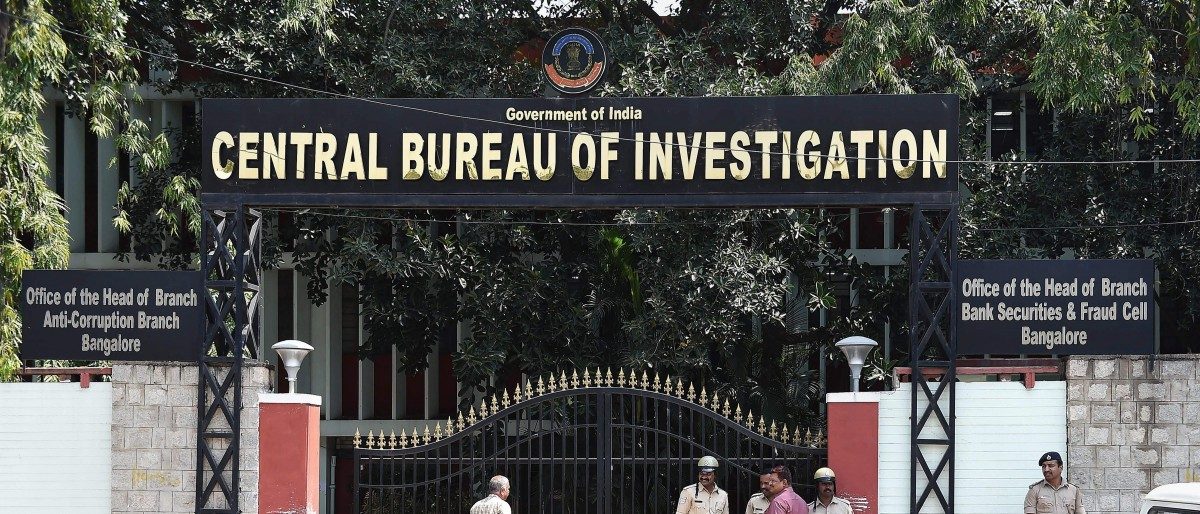
New Delhi, Dec 5: The CBI has registered an FIR in a case in which over 41,000 UCO Bank customers received surprise credits of varied amounts in their accounts, totalling Rs 820 crore, during November 10-13 without any corresponding debits in accounts from where the transfers originated, officials said on Tuesday.
Under an operation, which continued till Tuesday, the agency has searched 13 locations in multiple cities, including Kolkata and Mangalore, in connection with the case, they said.
The money landed in accounts of UCO Bank customers through 8.53 lakh Immediate Payment Service (IMPS) transactions originating from 14,000 account holders of private banks in three days, the officials said.
Surprisingly, no corresponding amount was debited from the originating bank accounts, they said. Several account holders withdrew the surprise credits from their accounts, the officials said.
The countrywide transactions resulted in a CBI FIR after UCO Bank approached the central probe agency with a complaint against two support engineers working with it and other unknown persons on allegations of "suspicious" IMPS transactions amounting to approximately Rs 820 crore, they said.
"During the searches, electronic evidence, including mobile-phones, laptops, computer systems, email archives, and debit or credit cards were recovered," the spokesperson of the Central Bureau of Investigation (CBI) said.
Between November 10 and November 13, IMPS inward transactions from 14,000 account holders across seven private banks were directed to 41,000 UCO Bank account holders, he said.
"It was further alleged that this intricate network involved a staggering 8,53,049 transactions, and these transactions were mistakenly posted in UCO Bank account-holders records, despite the originating banks registering failed transactions," the spokesperson said.
He said it was also alleged that several account holders exploited this situation, illicitly withdrawing funds from UCO Bank through various banking channels, thereby benefiting wrongfully from the transaction.
Let the Truth be known. If you read VB and like VB, please be a VB Supporter and Help us deliver the Truth to one and all.
4 held for sexually assaulting woman, girl on moving bus after social media alert in UP's Agra

Agra (UP) (PTI): Four people were arrested, after a prompt response by police following a social media alert, for allegedly sexually assaulting a woman and a girl inside a moving bus here, officials said on Tuesday.
According to an official police statement, at 12:27 am on April 27, information was received on the social media platform X about an incident of sexual assault on a bus travelling from Kanpur to Ahmedabad, which was approaching Namner crossing in Agra.
Acting under the direction of Police Commissioner Deepak Kumar, the Agra Police social media team immediately alerted the Rakabganj police station within minutes and coordinated with the victims to confirm the incident and obtain the exact location, it stated.
Police teams launched intensive checking at Namner crossing and intercepted the bus as it reached the spot. The four accused involved in the incident were apprehended on the spot, and legal action was initiated against them, the statement said.
The police said the swift response and coordination between the social media team and field units ensured timely action, bringing relief to the victims and other passengers, who expressed gratitude towards the police, it added.