Bihar Muslim voters allege suppression in viral video, cast ballots after outcry
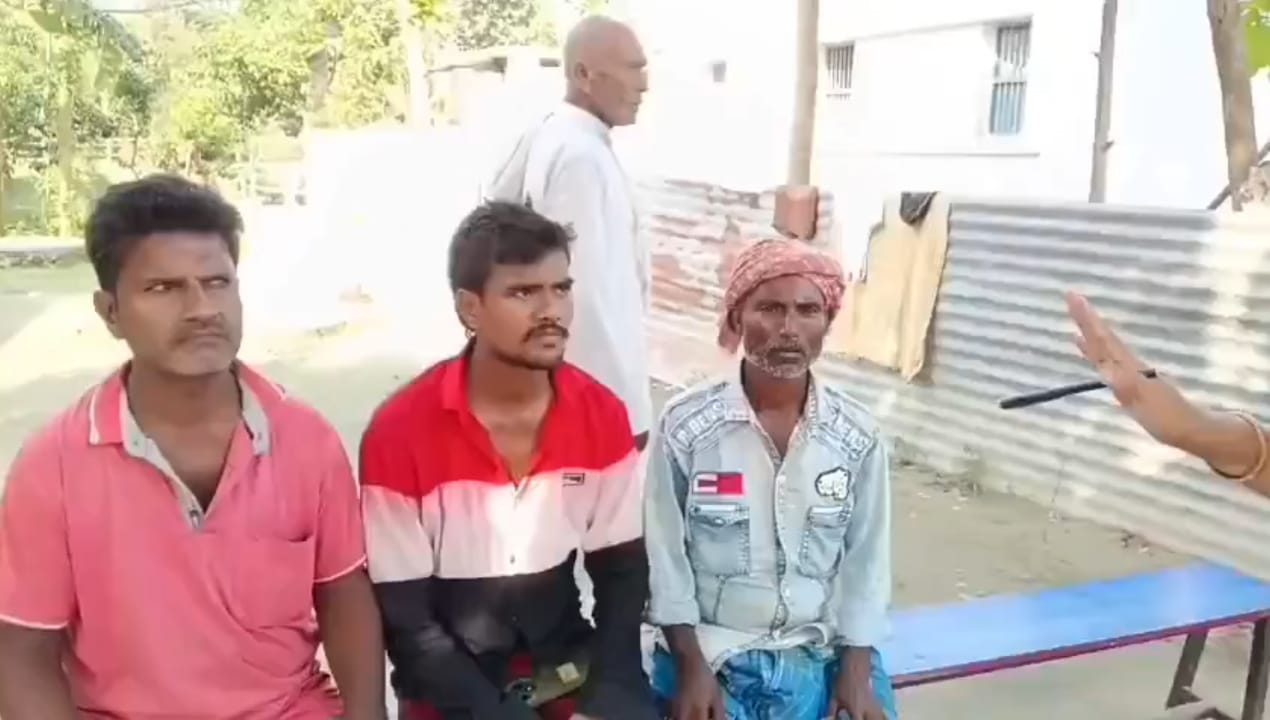
New Delhi: An incident at a polling booth in Bihar has sparked allegations of voter suppression after a video of three men claiming they were wrongfully denied their right to vote went viral during the 2025 Assembly Elections.
The political controversy began when the Rashtriya Janata Dal (RJD) shared the video on social media. The clip featured three voters, identified as being at Booth number 147 in the Sahebganj constituency, Muzaffarpur, alleging serious irregularities.
In the initial video, the men claim that when they arrived to cast their ballots, polling officials informed them, "Your vote has already been cast." They display their fingers, which have no indelible ink, as proof that they had not voted. "How can our votes be cast when we haven't done it?" one of the men asks, confirming they had their Aadhar and Voter ID cards with them. They state that officials and police instructed them to leave the booth.
The RJD amplified the video, tagging the Election Commission of India (ECI) and demanding action against what it called a "mockery of democracy."
Following the video's widespread circulation and the RJD's formal complaint, a second video of the same voters emerged. In this follow-up clip, the men confirm they were ultimately allowed to vote.
They display their inked fingers to the camera, verifying their votes had been successfully cast.
Amid the allegations, the Chief Electoral Officer (CEO) of Bihar's office responded on social media, describing the initial claims of fraud as "completely baseless and misleading." The CEO's statement insisted that "voting is running smoothly at all polling centers" and that all standard protocols were being followed.
Before / After. pic.twitter.com/uz9fO5ouyv
— Mohammed Zubair (@zoo_bear) November 6, 2025
Let the Truth be known. If you read VB and like VB, please be a VB Supporter and Help us deliver the Truth to one and all.
Lebanon appoints new representative for talks with Israel, rejects linkage to Iran
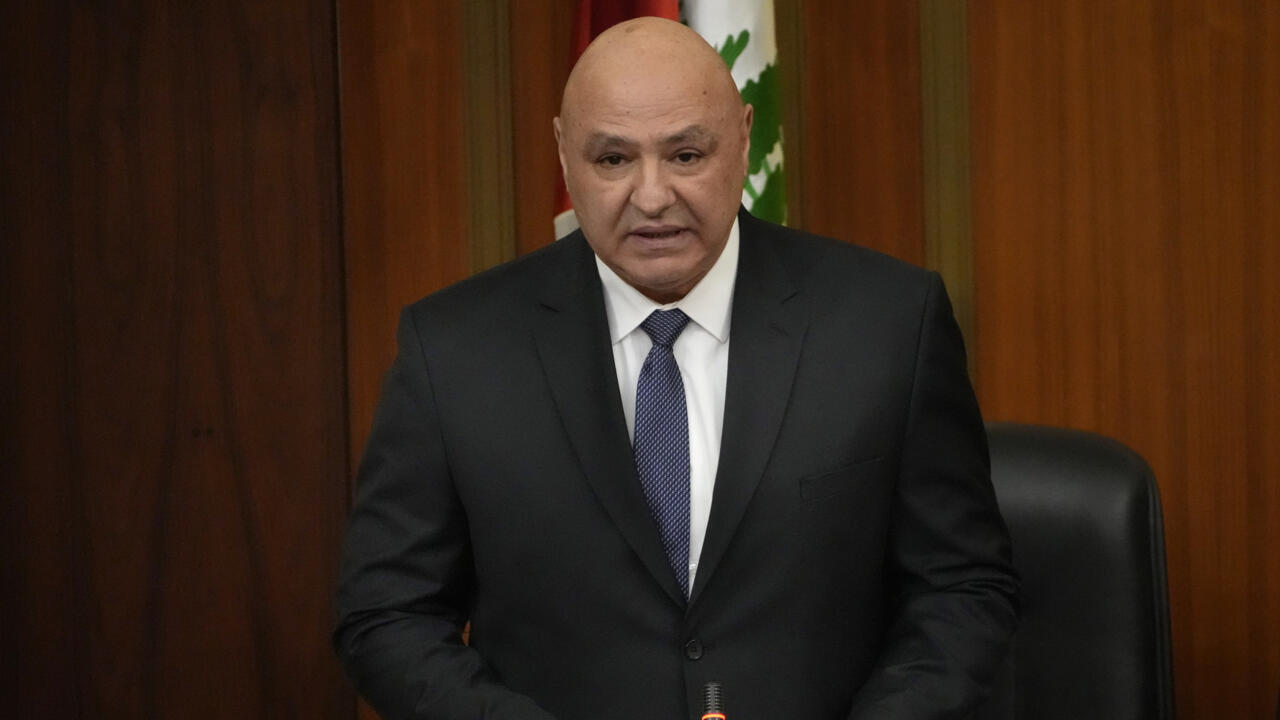
Beirut: Lebanon’s has moved to underline its independent position in ongoing regional developments, amid attempts to link the country to the broader conflict involving Iran, the United States and Israel.
President Joseph Aoun, while announcing the appointment of former US ambassador Simon Karam as Lebanon’s representative in talks with Israel, made it clear that Karam would be the sole representative for Lebanon and that there would be no substitute.
The move comes in response to what the Lebanese officials see as efforts by Iran to tie Lebanon’s situation to the wider regional conflict. Iran had indicated that there would be no ceasefire involving the US, Israel and Iran unless it also included a ceasefire in Lebanon.
Some groups, including Hezbollah and its supporters, had expressed support for linking the situations, citing concerns that the Lebanese government has limited leverage in negotiations with Israel. Lebanon is not formally a party to the conflict, and its army is considered weak.
However, others, including Prime Minister Nawaf Salam, have opposed this approach. They view Iran’s stance as an attempt to influence Lebanon’s internal affairs and see it as undermining the country’s sovereignty.
Officials backing the government’s position say the move is aimed at reaffirming Lebanon’s sovereignty and ensuring that decisions about peace and ceasefire within the country are not dictated externally.
They also see it as a safeguard, so that any breakdown in talks between the US, Israel and Iran does not automatically lead to renewed conflict in Lebanon.