BJP leader Adhikari trashes Mamata's charge, says Bengal man's suicide not linked to NRC
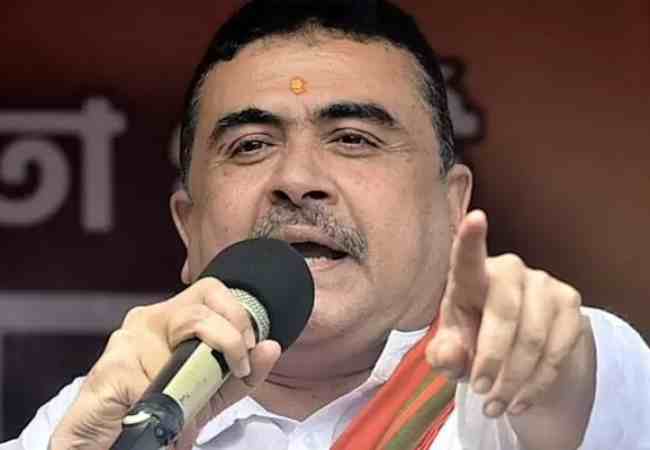
Kolkata (PTI): A day after West Bengal Chief Minister Mamata Banerjee accused the BJP of spreading fear over the National Register of Citizens (NRC) following the alleged suicide of a man near Kolkata, Leader of Opposition Suvendu Adhikari on Wednesday claimed the death was unrelated to the NRC issue.
Adhikari claimed that the deceased, Pradeep Kar (57), whose body was found hanging at his residence in Panihati in North 24 Parganas district on Tuesday, had his name in the 2002 electoral rolls and had voted in that year's assembly elections in Panihati constituency.
Adhikari, a senior BJP leader and staunch critic of TMC supremo Mamata Banerjee, told reporters that the ruling party in the state was peddling lies over the tragic death of a man for political dividends.
"Kar's death is no way related to the issues of NRC and SIR (Special Intensive Revision). The unfortunate incident must be due to some other reasons," he told reporters here.
"The TMC has built false narratives in an insensitive manner. The people of Bengal will give a befitting reply to such propaganda," the Nandigram MLA said.
After inaugurating a Jagaddhatri Puja pandal in Birati area near Kolkata, Adhikari said 12 other states and Union territories where SIR will be implemented have not raised any objections and "only Banerjee and her nephew Abhishek are peeved over the move aimed at ensuring free and fair vote and weed out infiltrators and illegal voters."
"Even the RJD is not raising any more protests after initial hullabaloo over SIR as they also understand the importance and benefits of rolls revision," he said.
"However, the Bengal duo is against SIR as they are afraid of losing the Bangladeshi infiltrator vote bank, based on which they had won past elections," he alleged.
Asked to comment on Abhishek Banerjee's threat to organise a mass protest against the CEC in Delhi, Adhikari said, "If they dare to go to Delhi, let them leave the slippers here and we will make them run along the banks of river Yamuna," he said.
Adhikari called upon 'Hindus' to shun their "apprehension about local toughs intimidating them, come out of their comfort zones to enjoy a heavy midnight lunch at homes on the polling day and come out in large numbers to cast votes. If 85 per cent Hindus cast their votes, rest assured, this undemocratic, jihadi-appeasing Mamata regime will be dislodged from power in 2026."
He also accused the TMC-run government of turning a blind eye to reports of desecration of idols in several parts of Bengal in recent times and the alleged inaction of police.
Condemning what she described as the BJP's "politics of fear and division," the CM alleged on Tuesday that the party's campaign around the NRC has created panic among people.
"It shakes me to the very core to imagine how, for years, BJP has tormented innocent citizens with the threat of NRC, spreading lies, stoking panic and weaponising insecurity for votes," Banerjee said in a social media post.
She charged the BJP with turning "constitutional democracy into a theatre of fear", and said the "tragic death" was the result of "venomous propaganda".
Let the Truth be known. If you read VB and like VB, please be a VB Supporter and Help us deliver the Truth to one and all.
Iqra aims to create leaders for community: Syed Mohamed Beary at Annual Day in Mangaluru
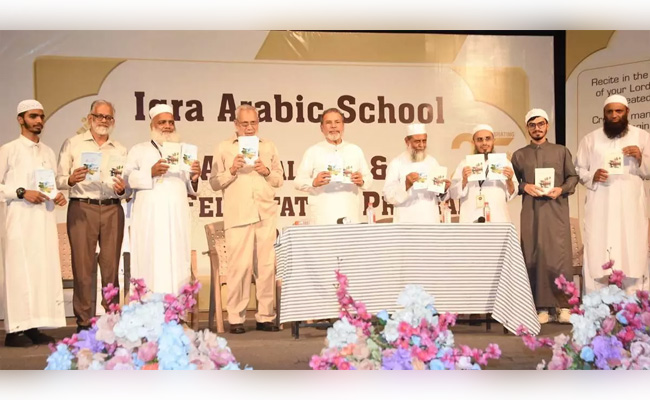
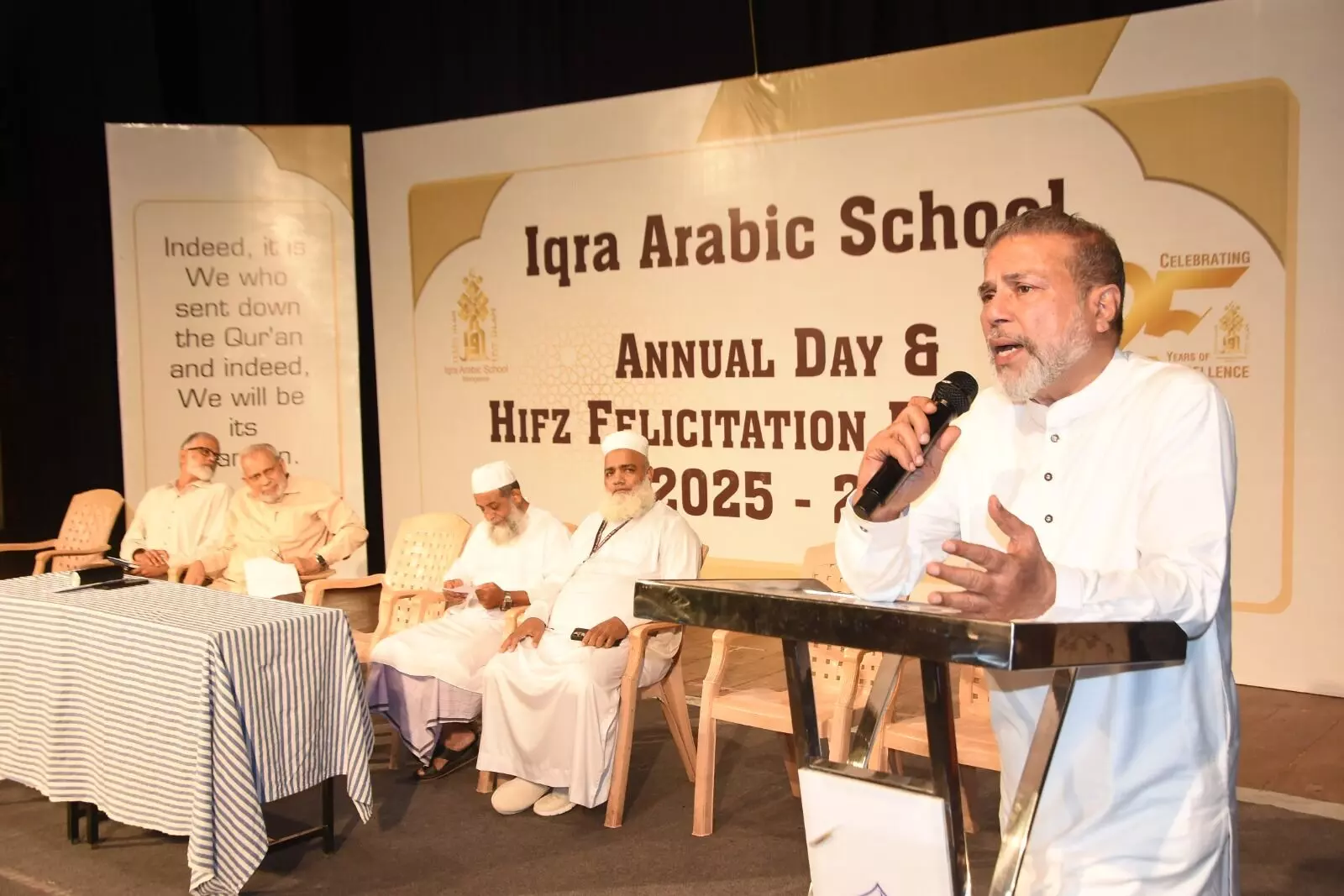
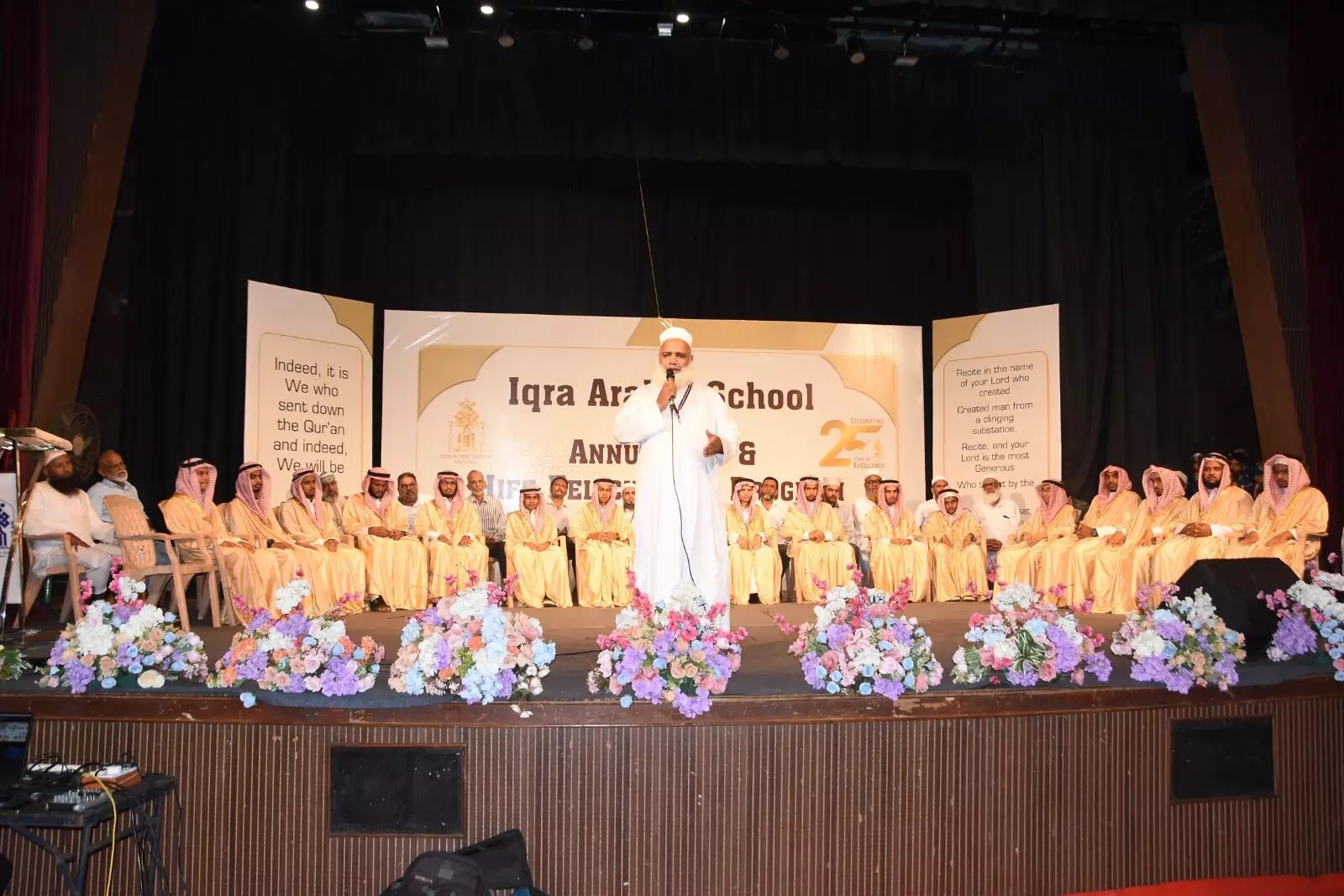
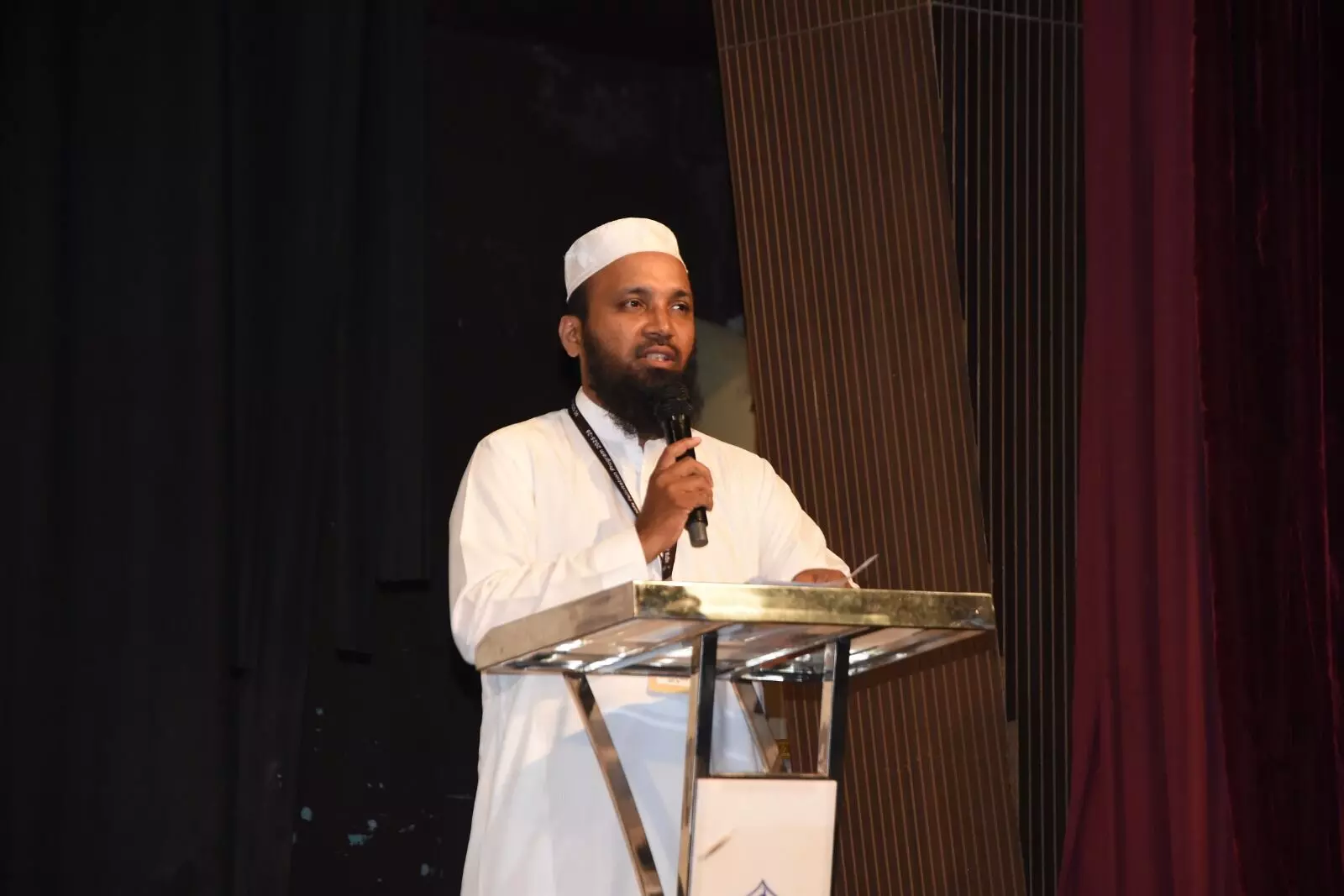
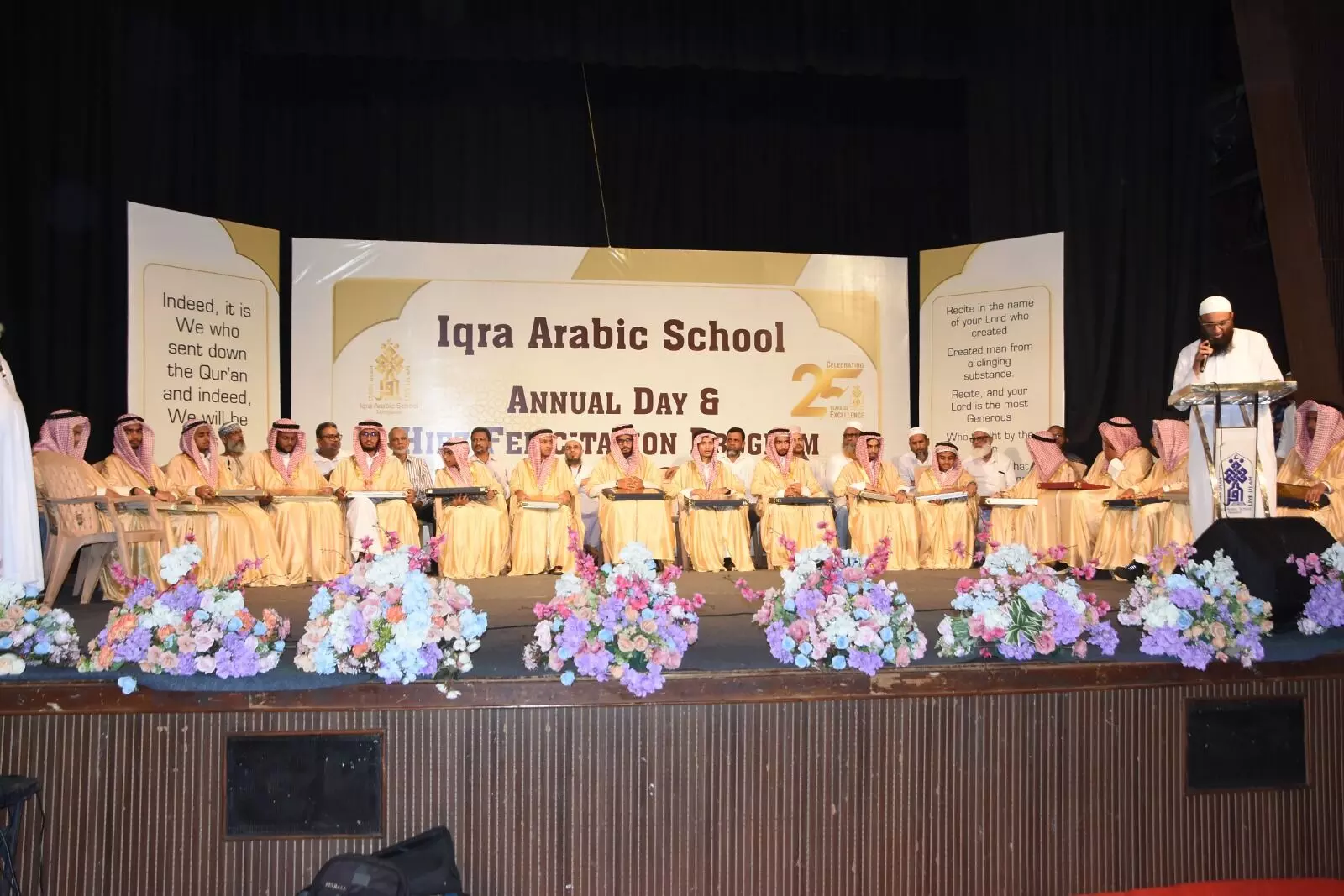
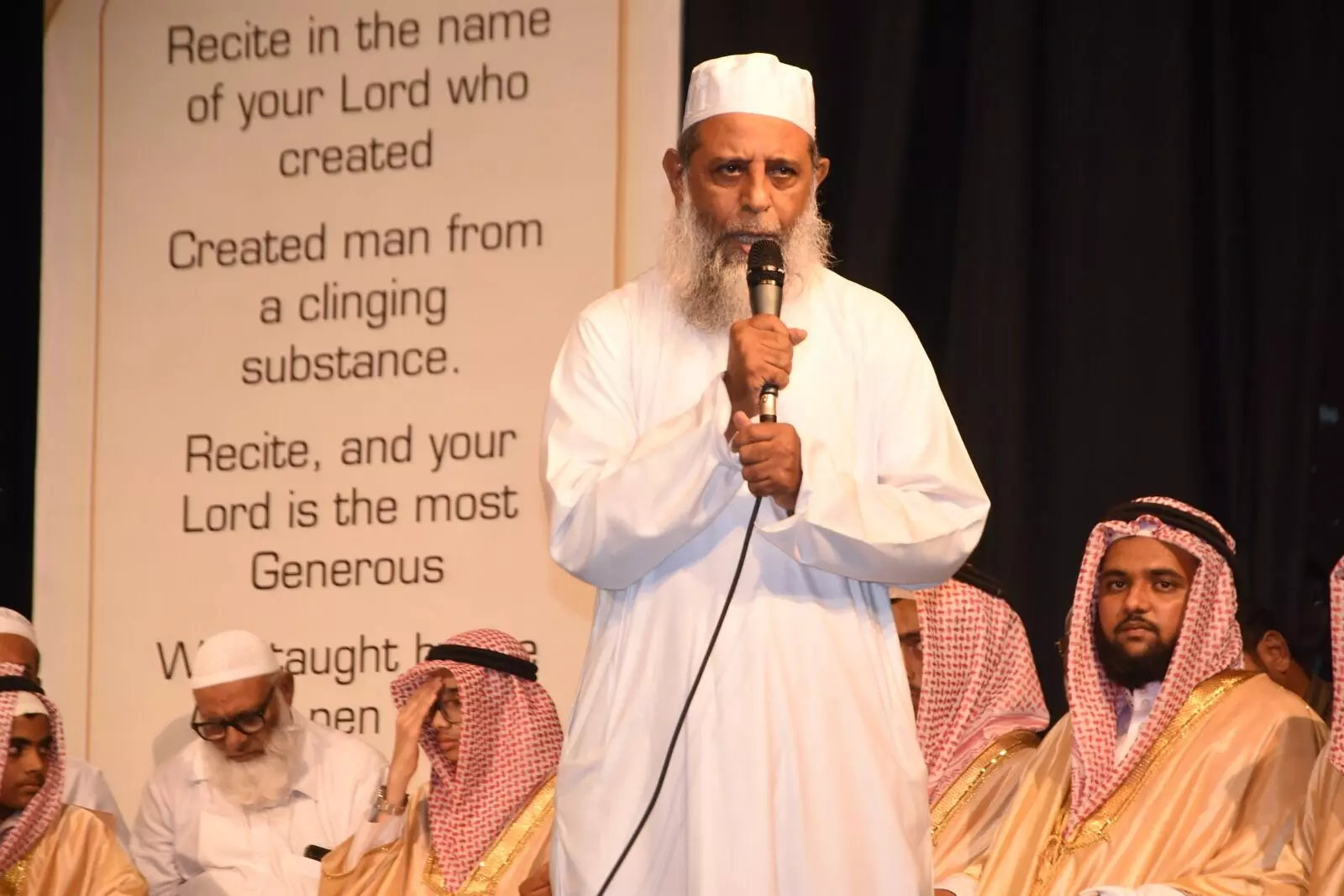
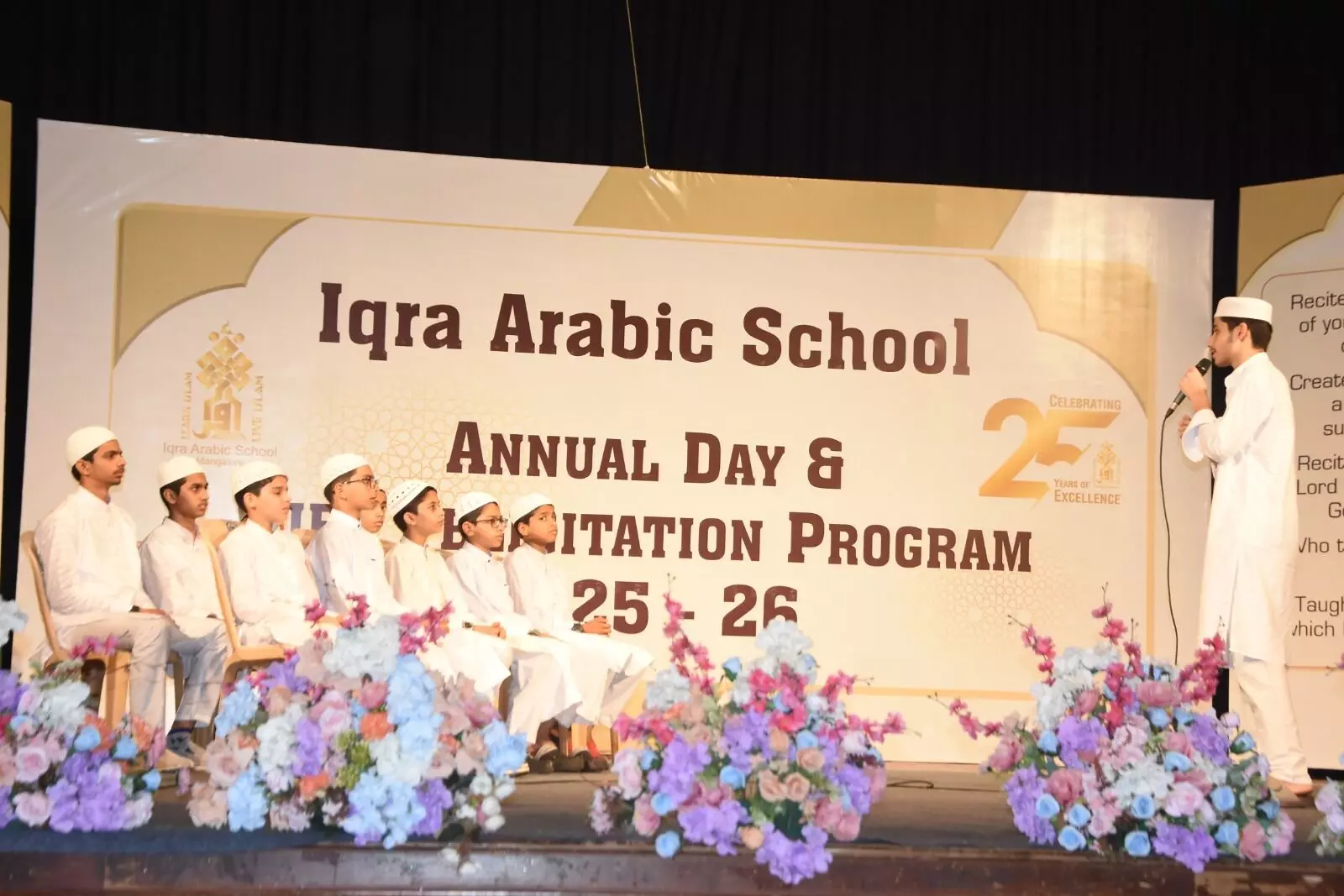
Mangaluru: “The aim of Iqra is to create leaders for the community,” said Syed Mohamed Beary while presiding over the Annual Day 2026 and Hifz felicitation programme of Iqra Arabic School, highlighting the institution’s focus on leadership and long-term community development.
Presiding over the event, Syed Mohamed Beary, Chairman of the Moulana Abul Hasan Ali Nadwi Educational and Charitable Trust, Mangaluru, spoke at length about the journey of the institution since its launch in 2000. He recalled the early days of the school and said it was started with a clear vision to serve the community through education rooted in values. He expressed pride in how the institution has grown over the years, both in strength and in its role within the community.
He said Iqra Arabic School was not built only to provide basic education, but to nurture individuals who can take responsibility and guide society. According to him, the institution has consistently worked towards shaping students into capable leaders who can face present-day challenges while staying connected to their roots. He stressed that the focus has always been on building character along with knowledge.
The programme was compered by Moulana Farhan Nadwi, who introduced the vision of the institution and said the school strives to prepare leaders and scholars who can respond to modern challenges faced by the community.
Chief guest Moulana Maqbool Kobatte, Principal, Jamia Islamia Bhatkal, congratulated the students and their parents for completing the memorisation of the Qur’an. He said these Huffaz are part of Allah’s promise of preserving the Qur’an until the Day of Judgement. He described the Qur’an as a guide for life and said while recitation is important, it is equally necessary to practise its teachings. He also noted that in the race for worldly success, people are moving away from values such as humanity, brotherhood and unity.
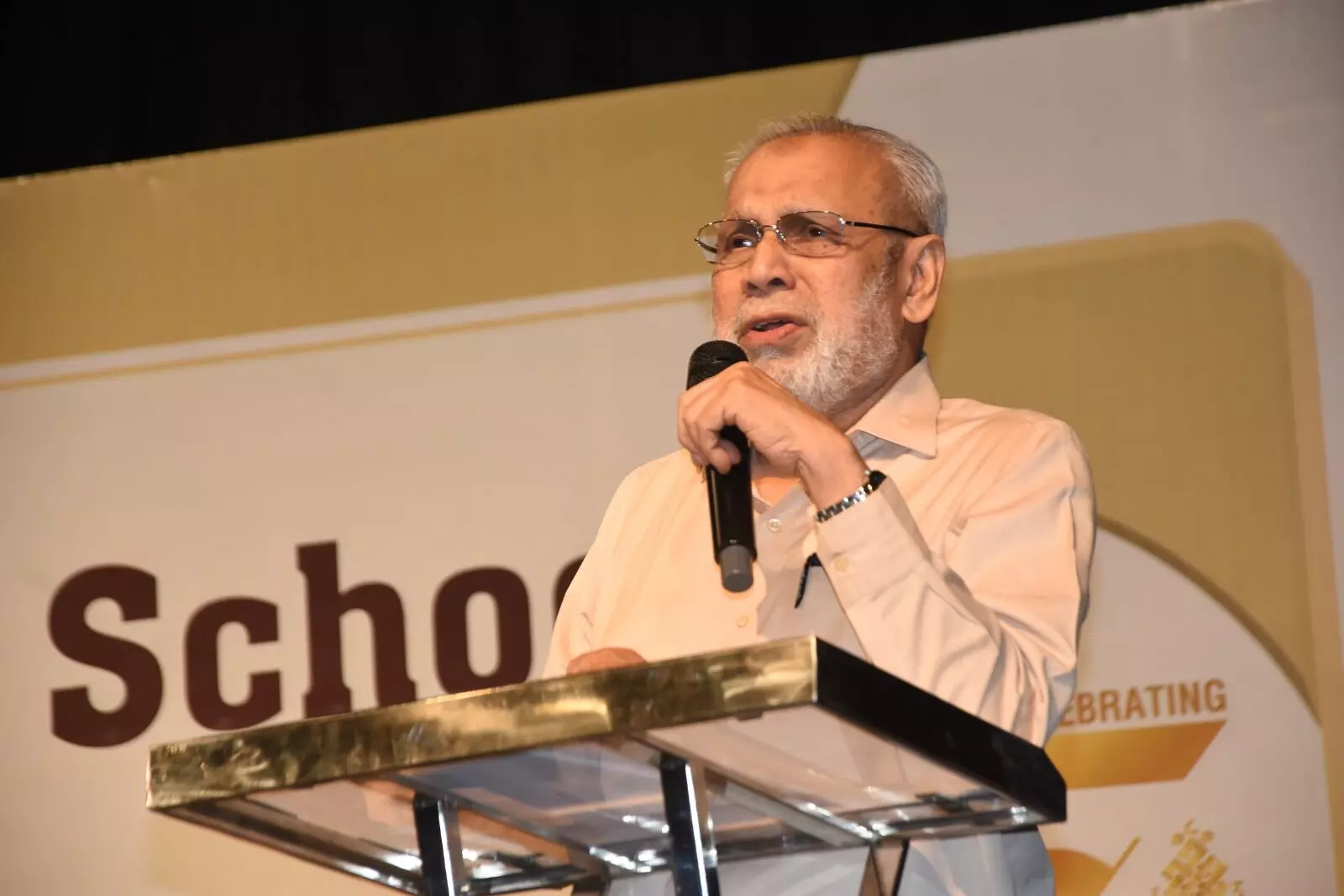
Taha Mateen, Chairman and Managing Director of ACURA Speciality Hospital, said the community should not forget its Islamic roots and history. He recited lines of poetry by Iqbal: “Kabhi ae nawjawaan Muslim tadabbur bhi kiya tu ne, wo kya gardu tha tu jiska hai ek toota hua taara.” He stressed the need to understand the Qur’an and recognise its importance, and urged students to continue learning across different fields without stopping at any stage. He congratulated the students, parents and the management.
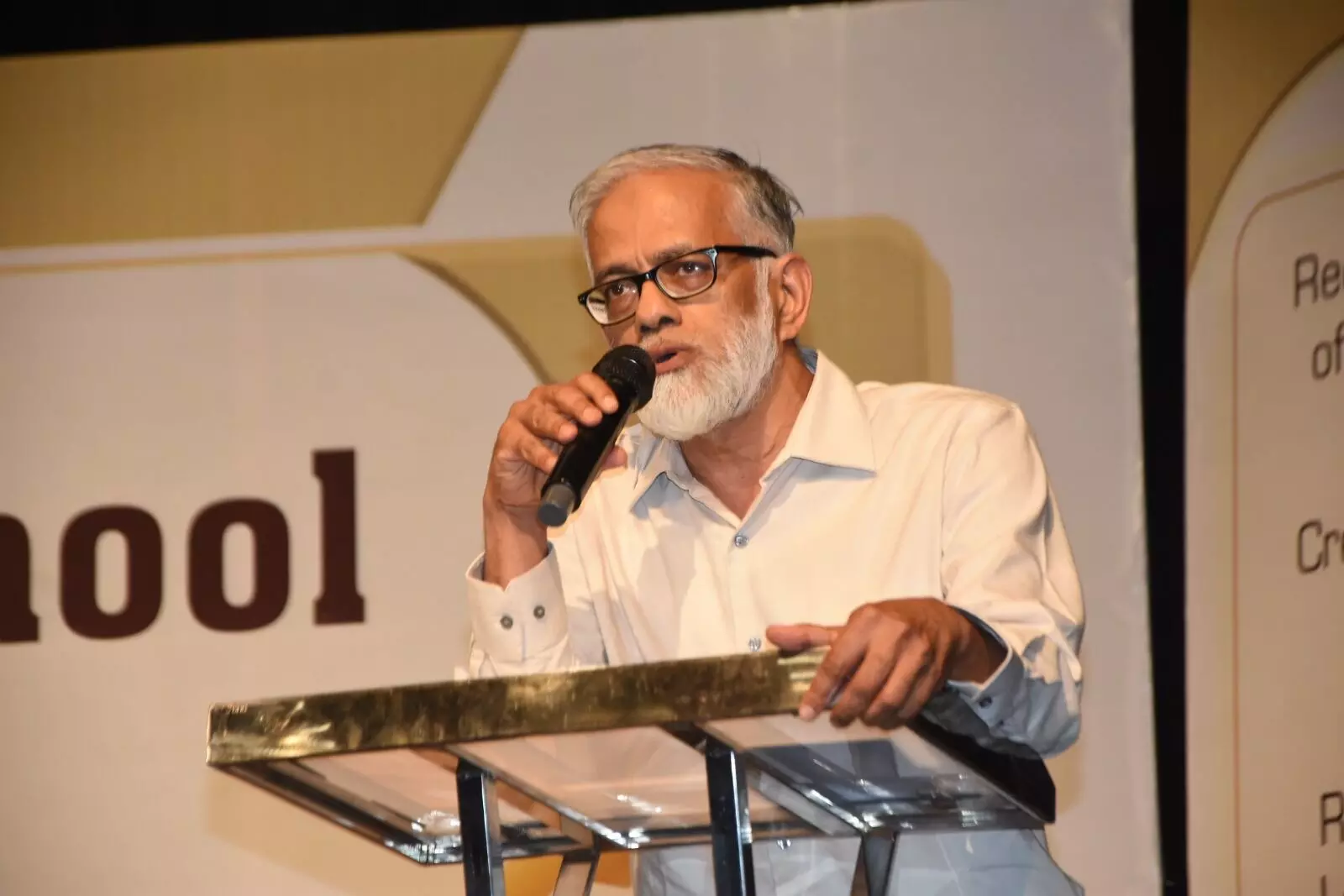
Dr. C P Habeeb Rahman, Chairman and Managing Director o Unity Health Complex, Mangaluru said there is a need for introspection within the Muslim community to understand what has gone wrong and why it has fallen behind despite contributing to global civilisation. He also spoke about the lack of leadership within the community.
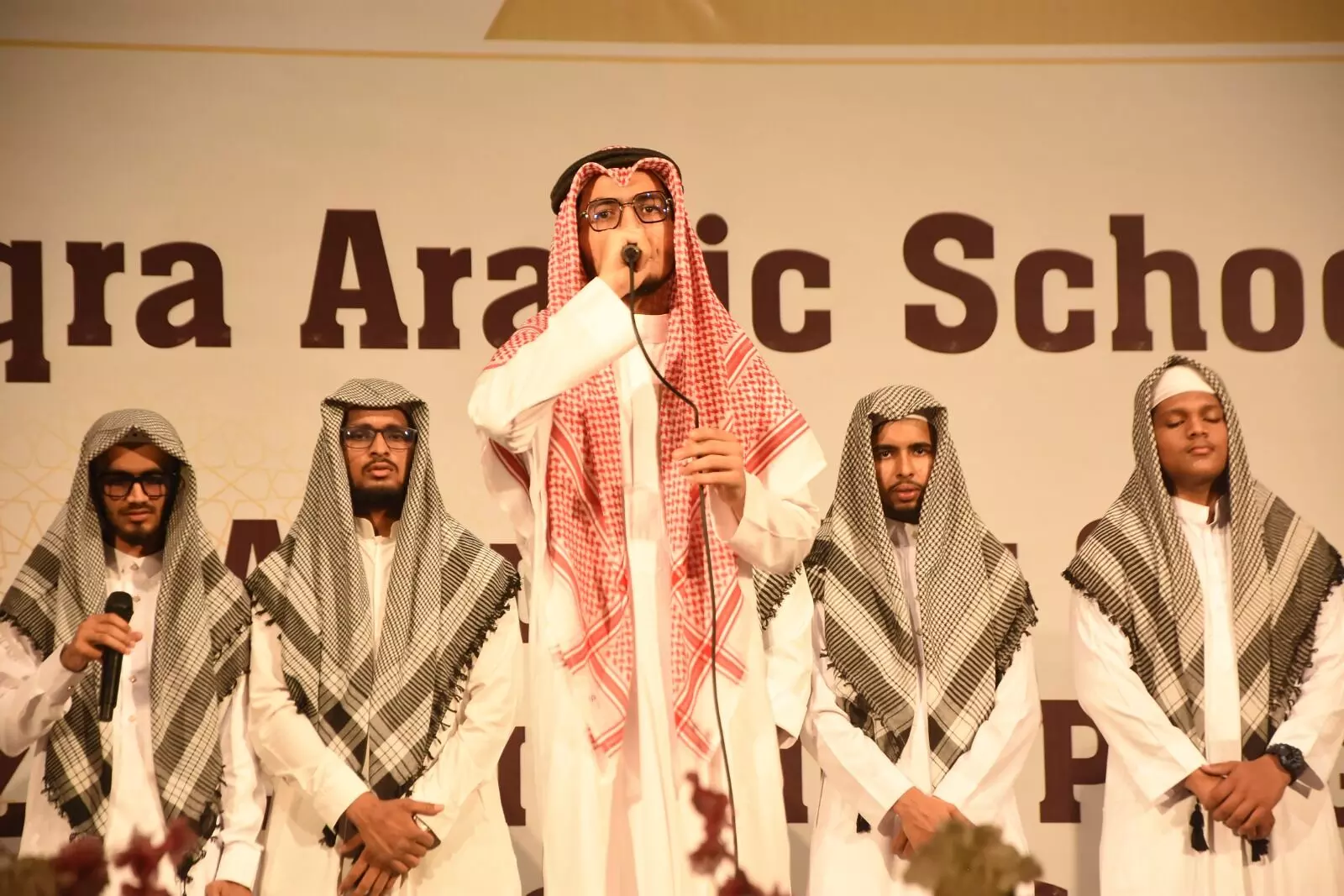
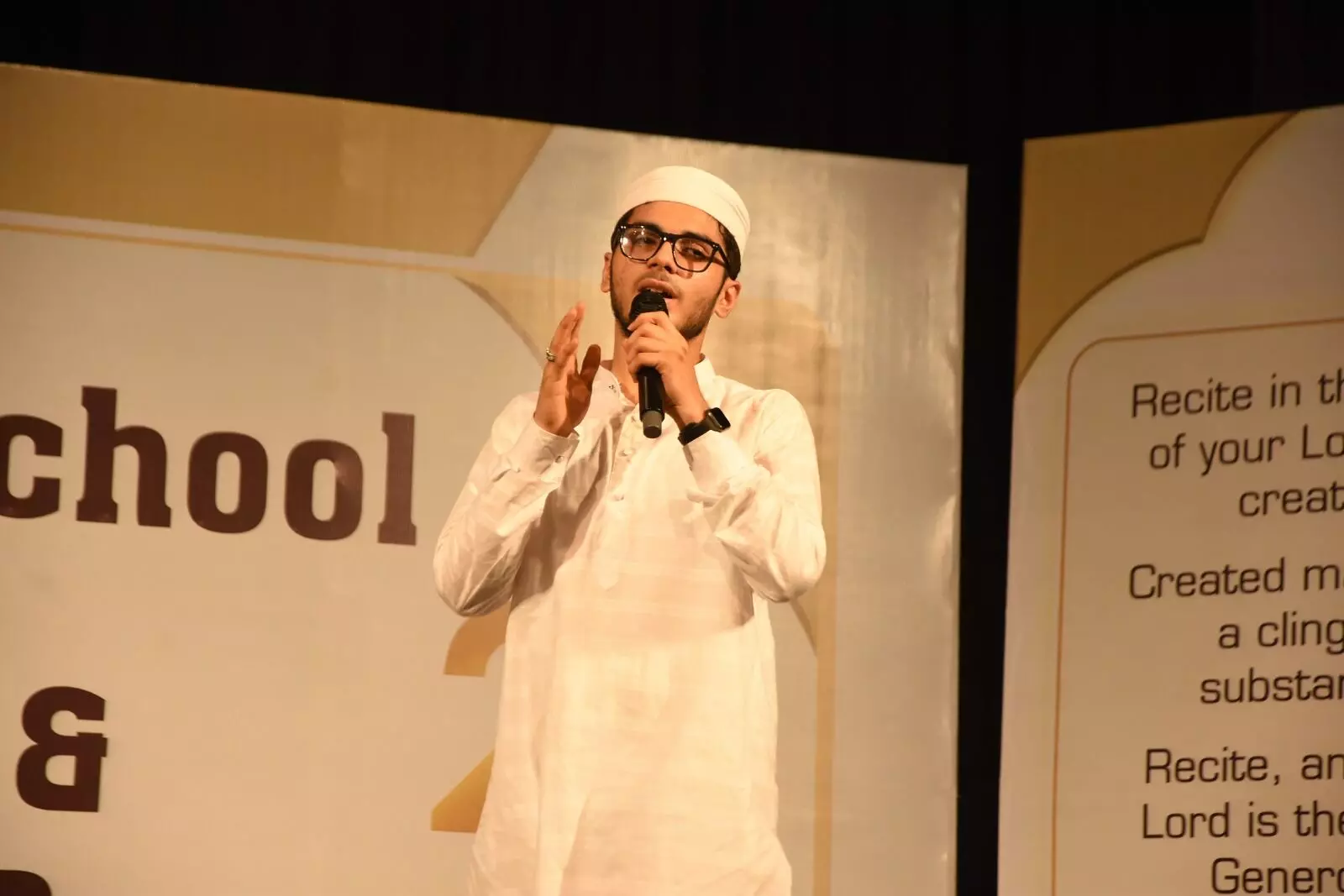
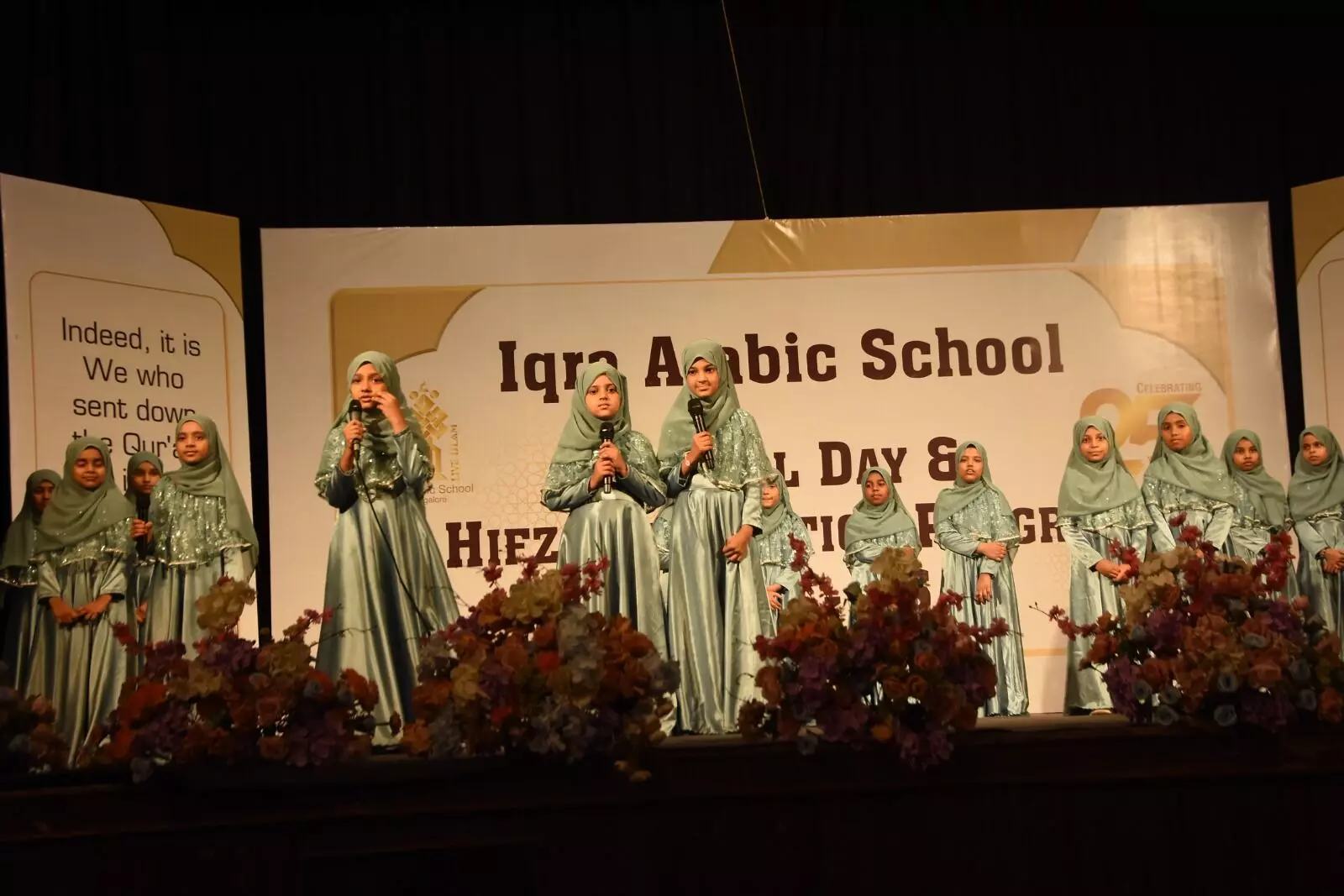
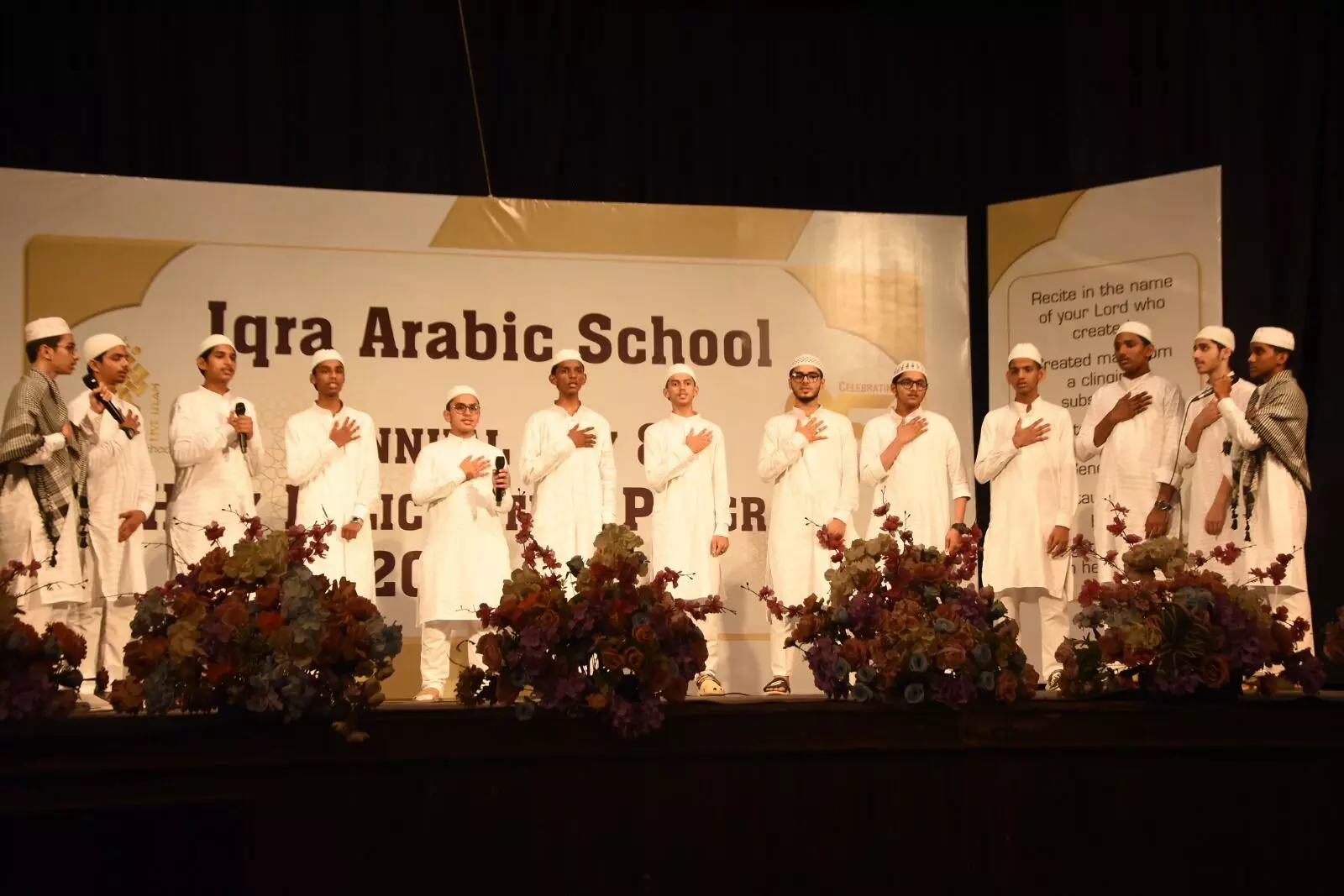
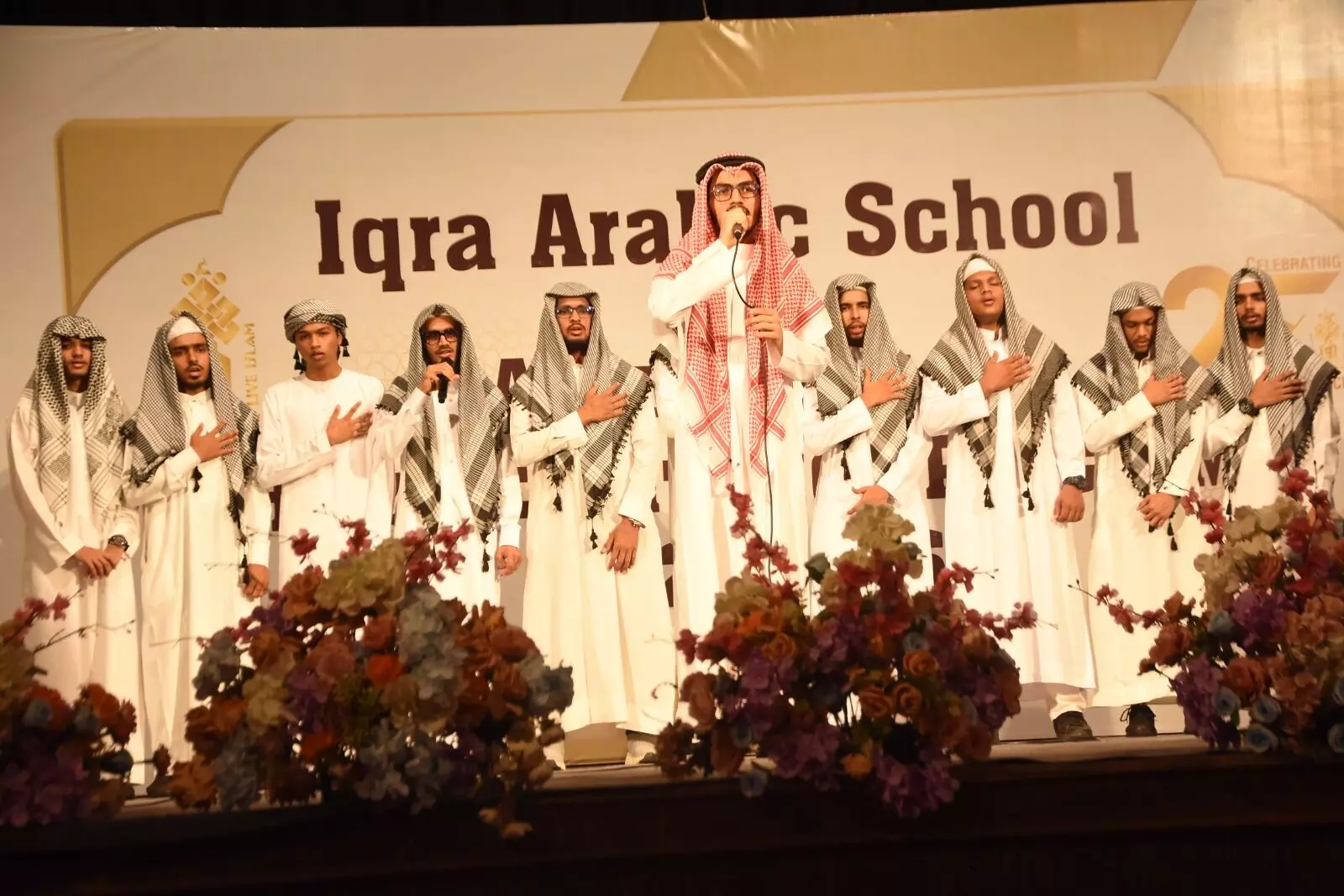
Students presented cultural programmes based on Islamic teachings during the event. Two of the books authored by the students of the institution were also released during the event
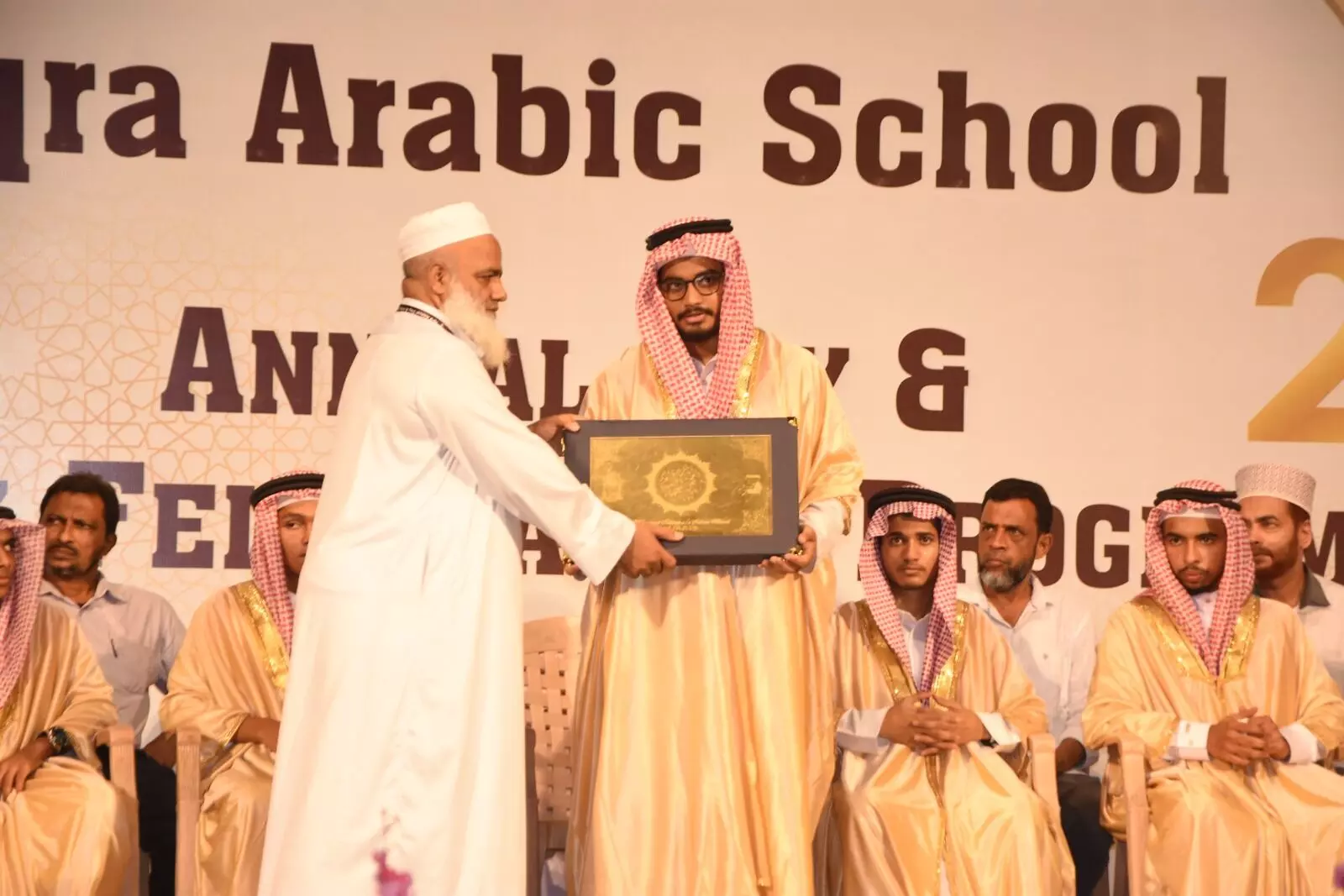
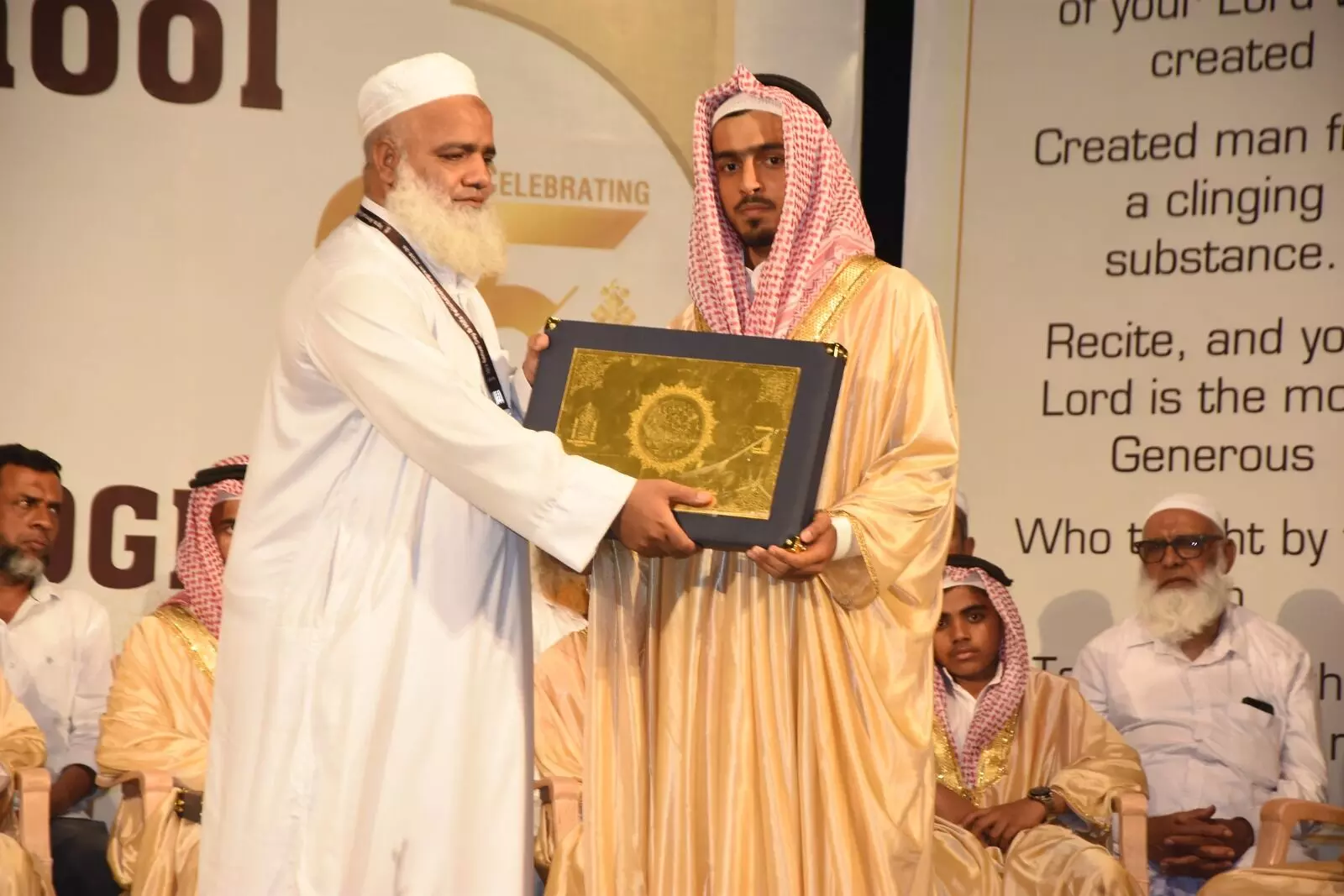
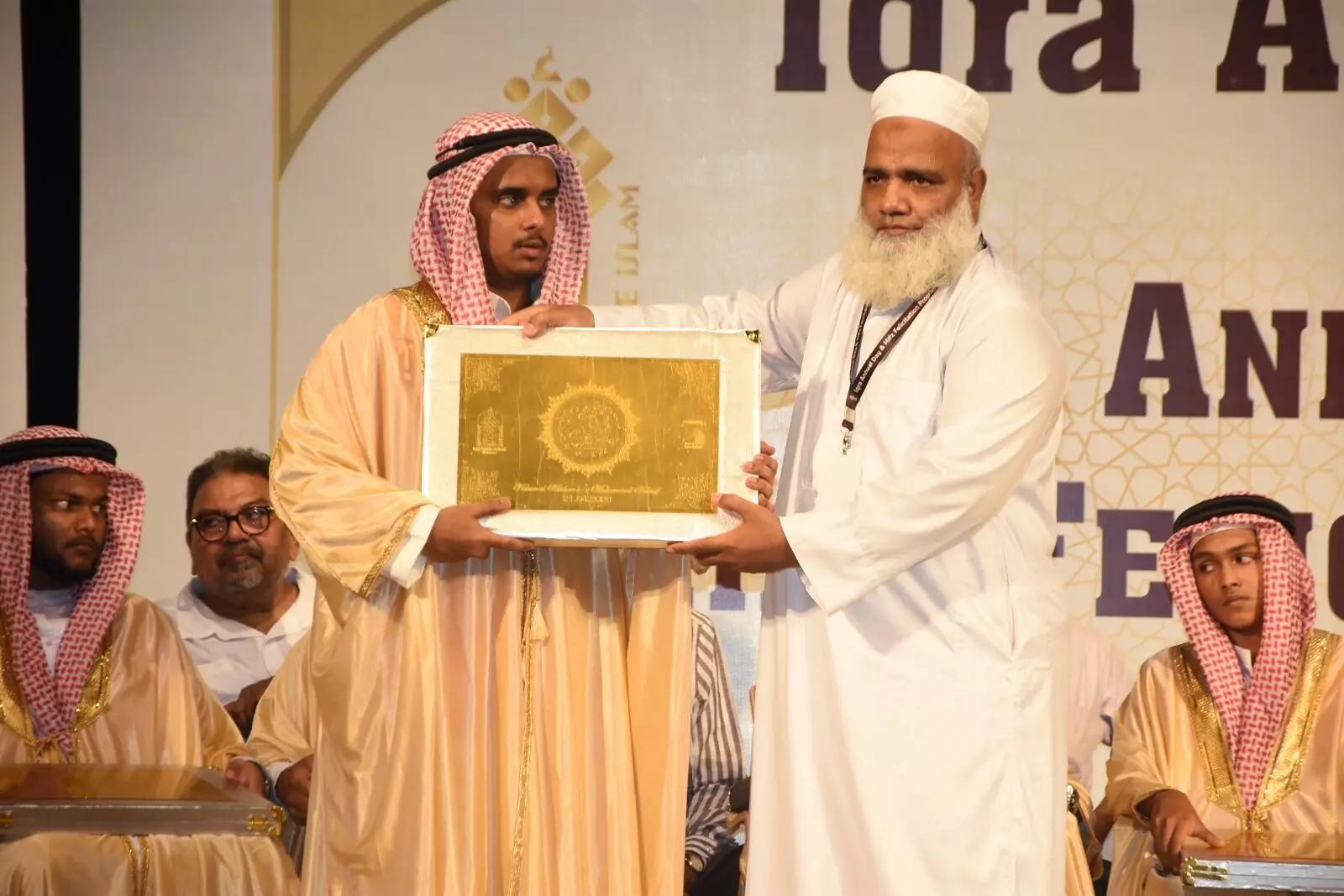
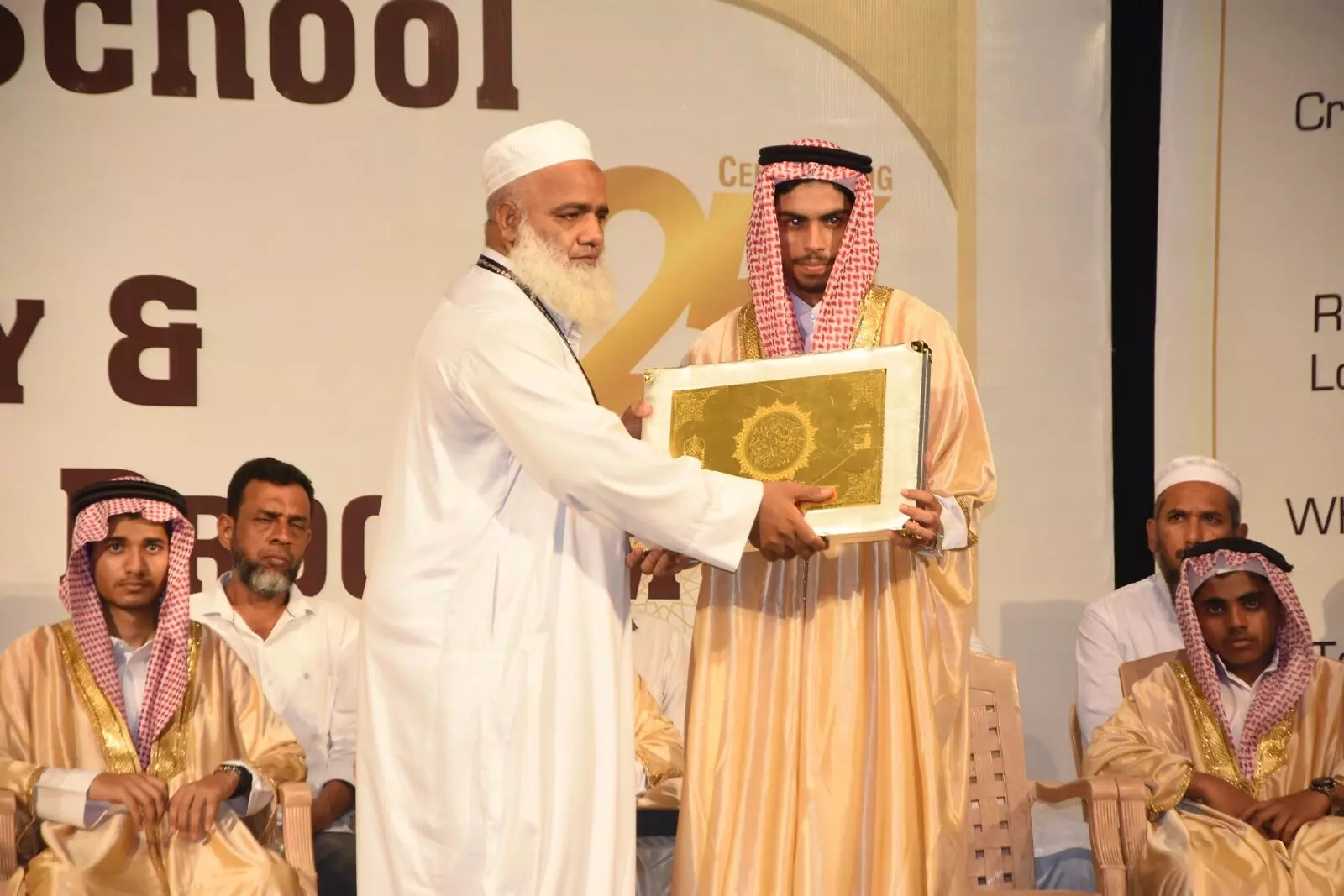
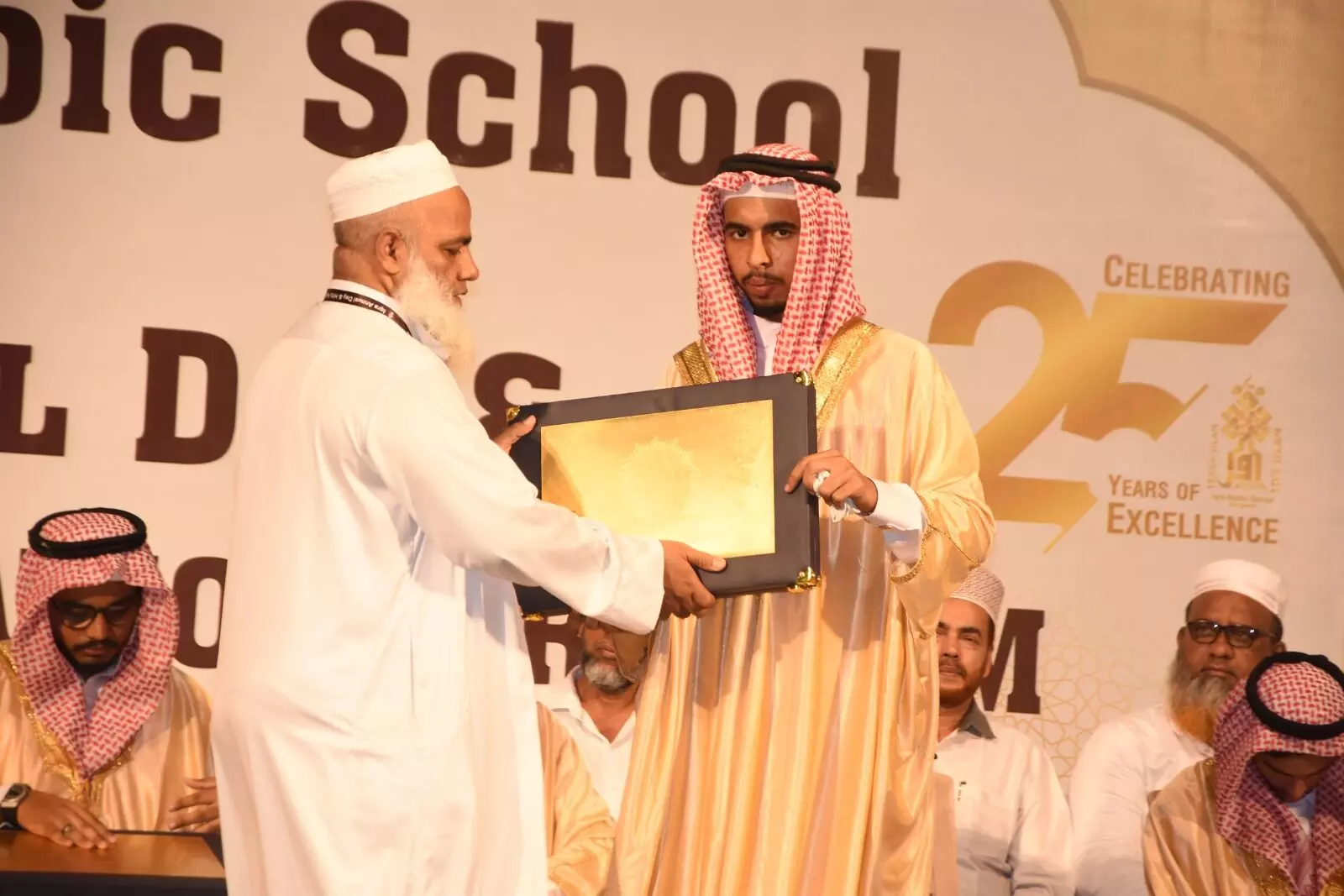
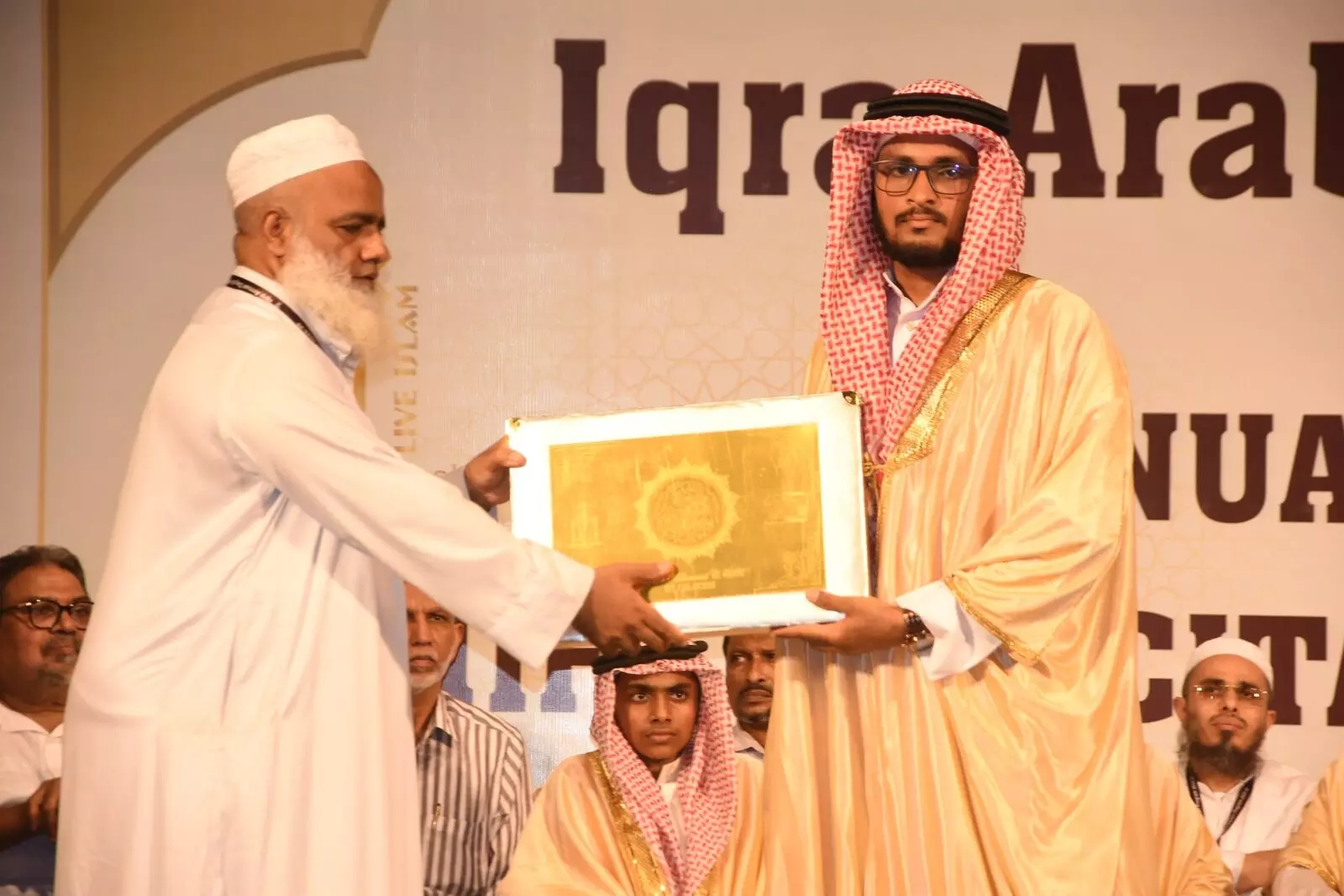
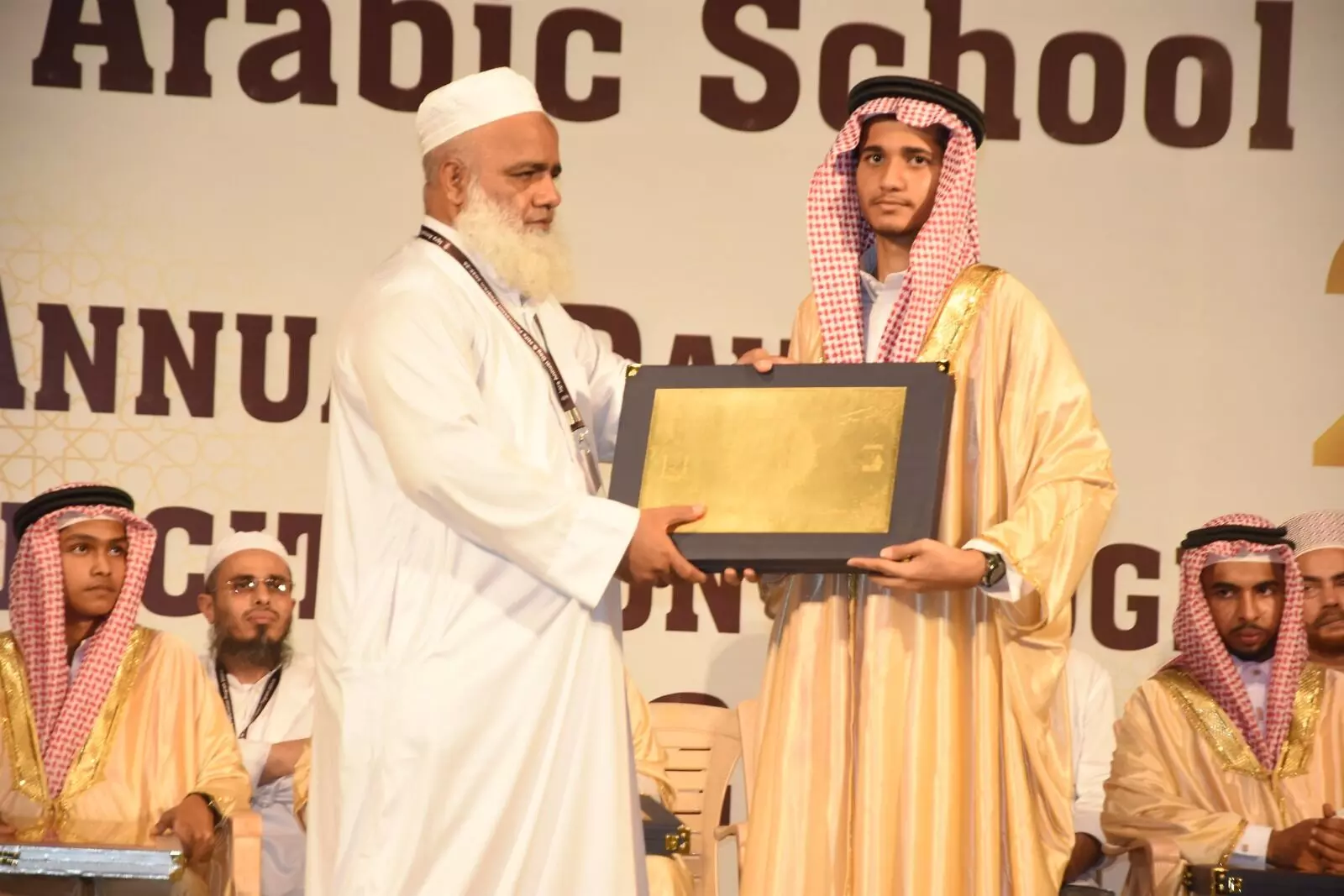
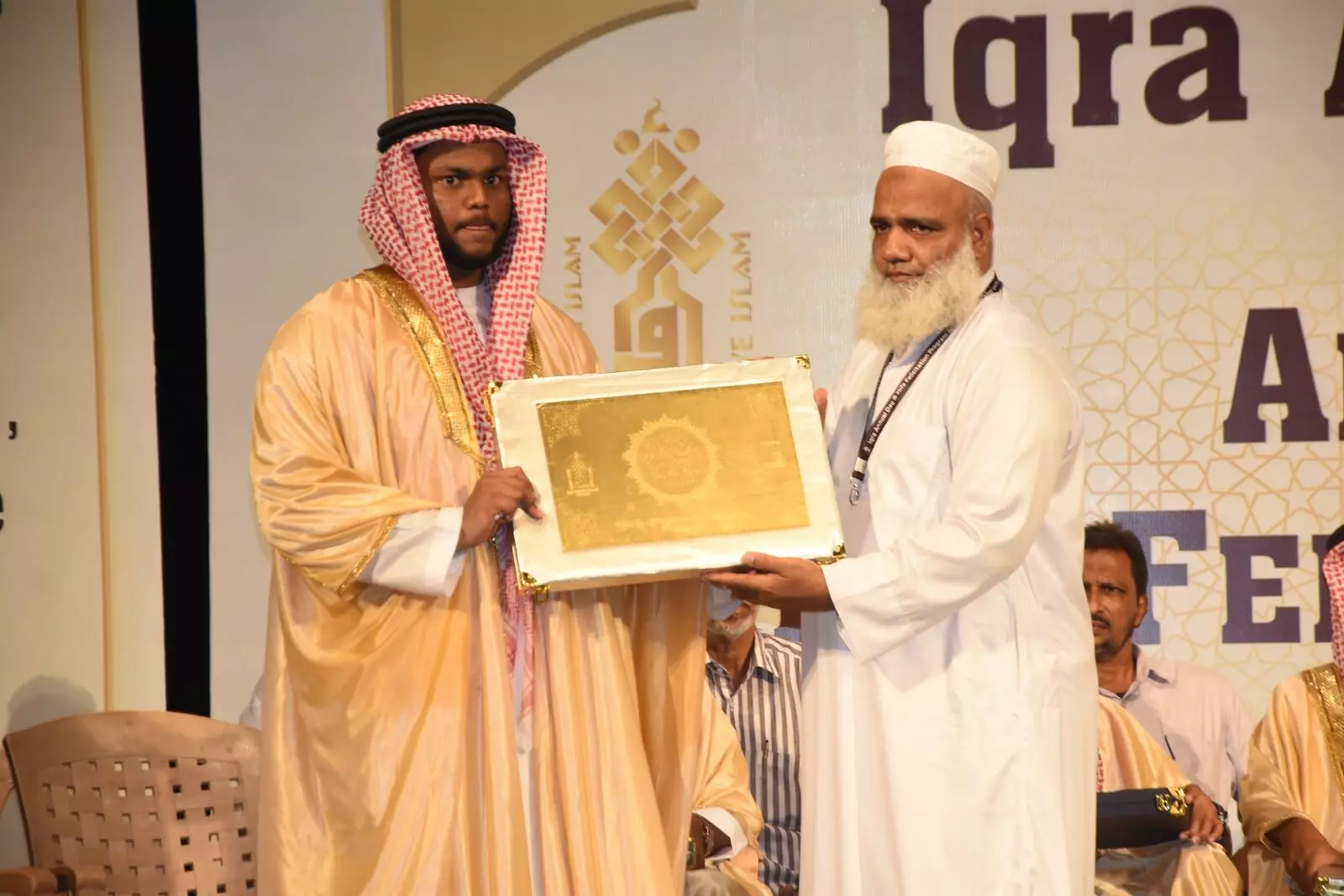
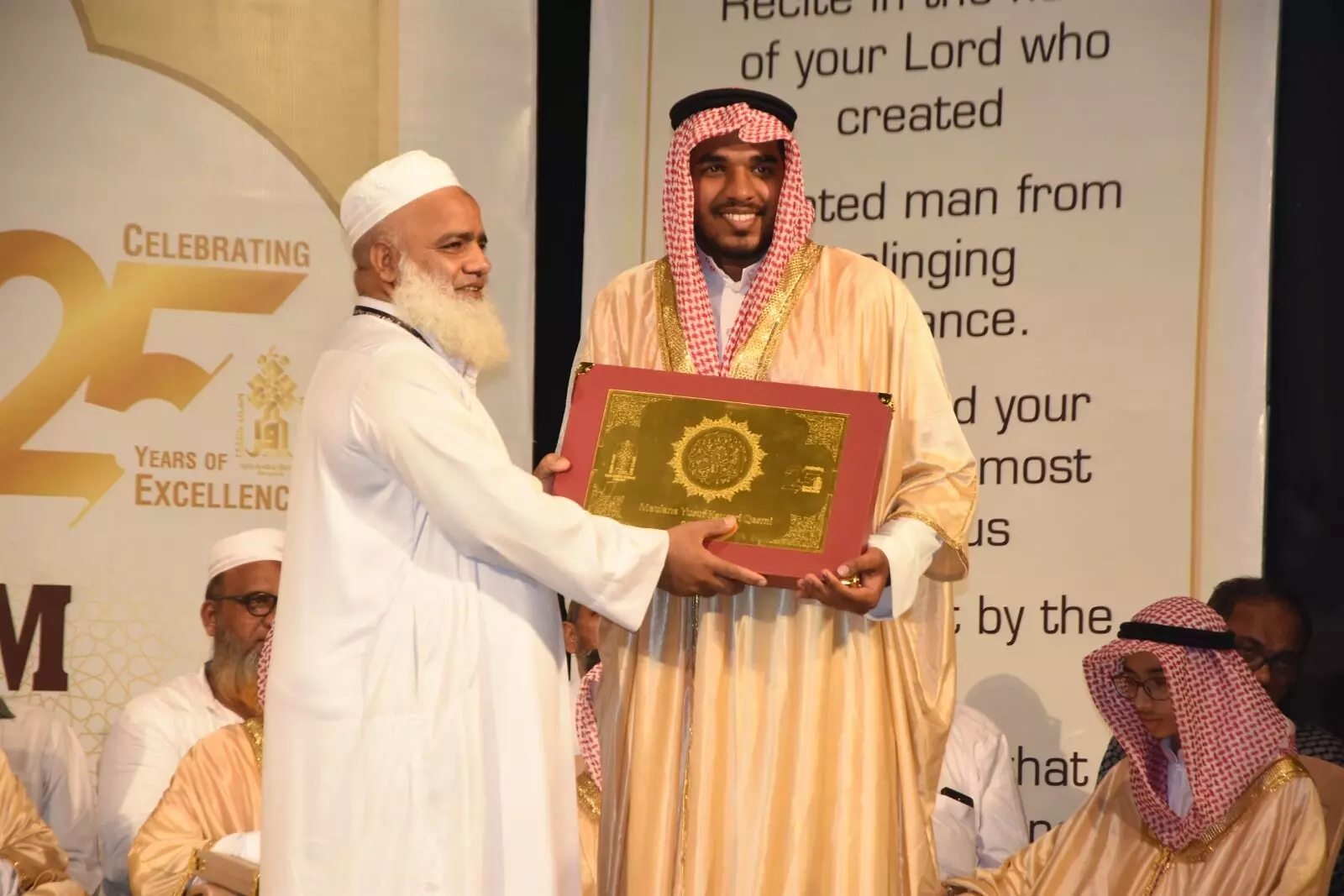
A total of 18 students who completed Hifz this year were felicitated and presented with mementos by the guests. The programme concluded with a vote of thanks by Moulana Salim Khalifa, the principal of the institution.